Last Updated: November 4, 2026
Quick Summary
Major defects create a serious safety risk, threaten the home’s structure, or disrupt an essential system; minor repairs are limited in scope and do not put people or the home at immediate risk. Classify findings by their cause, extent, function, and evidence, not appearance alone, and seek professional assessment when the risk or underlying cause is unclear.
- Prioritize findings by safety risk, active damage, and repair skill or access required.
- Widening cracks, water entry, or signs of movement call for professional assessment.
- Document nonurgent findings with their location, report description, follow-up recommendations, and dated photos.
- A visual check cannot confirm conditions behind walls or under floors.
Table of Contents
- Distinguishing Major Defects From Minor Home Repairs
- Major vs. Minor Home Inspection Findings: What Changes the Classification?
- Structural Defects in a House: Signs That Need Professional Assessment
- Home Inspection Red Flags: A Visual Checklist for Buyers
- Home Inspection Repair Priorities: Safety, Cost, and Timing
- What to Do After a Home Inspection Finding
- Schedule an Inspection to Clarify Property Defects
- Frequently Asked Questions
Distinguishing Major Defects From Minor Home Repairs
A home inspection finding is not automatically a reason to walk away (Schedule a home inspection). The important question is whether it affects safety, structural integrity, or a major home system. This guide explains how to distinguish major defects from minor home repairs and decide what needs attention first.
A major defect is a condition that creates a serious safety risk, threatens the home’s structure, or disrupts an essential system. A minor repair is usually limited in scope and does not put the home or its occupants at immediate risk.
A common mistake is treating every item in a home inspection report as equally urgent. Sort findings by risk first, then by repair scope and timing. The [U.S. Department of Housing and Urban Development’s home inspection guidance | hud.gov] offers background on the role of inspections in a home purchase.
Major vs. Minor Home Inspection Findings: What Changes the Classification?
The same visible issue can be minor or major depending on its extent and cause. A small surface crack may be cosmetic, while a widening crack with water entry or signs of movement calls for professional assessment. Classification depends on risk, function, and evidence, not just appearance.
| Finding | Often minor when… | Needs closer review when… |
|---|---|---|
| Wall crack | Surface finish only | Widening or linked to movement |
| Roof wear | Limited, no active leak | Water enters or damage spreads |
| Plumbing leak | Small, easy-to-access drip | Hidden moisture or damaged materials |
| Electrical issue | Minor, isolated repair | Shock, fire, or unsafe wiring risk |
For a practical defect classification, ask:
- Does it create a safety hazard? Electrical safety concerns and unsafe stairs deserve prompt attention.
- Does it affect a major system? Check roofing integrity, heating, cooling, and plumbing.
- Could it worsen or spread? Dampness and moisture can damage nearby materials.
- Does it need specialist review? Structural concerns call for a qualified professional.
What most guides miss is that “minor” describes the current finding, not a promise that it will stay minor. Read our guide to common home inspection findings for more examples.
Structural Defects in a House: Signs That Need Professional Assessment
Structural defects in a house deserve prompt professional review when signs point to movement, water damage, or a weakened support. A crack by itself does not prove a structural problem. Its location, pattern, change over time, and link to other signs matter.
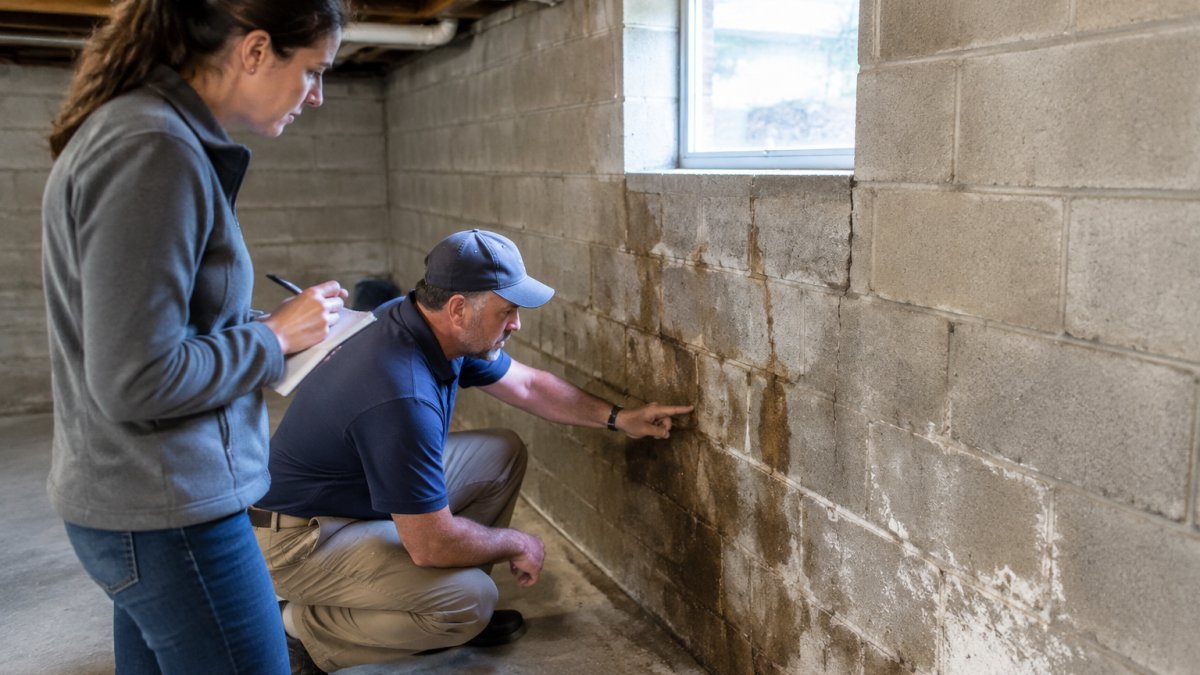
Look for signs that need more than a quick patch:
- Cracks that widen or cross foundation walls
- Doors or windows that stick along with wall movement
- Sagging floors or visible changes in roof lines
- Water entry near the foundation
- Possible damage to load-bearing walls
A common mistake is painting over a crack before learning whether it is active. That can hide a change without fixing its cause. Our guide to signs of structural damage explains what to watch for, and the [Federal Emergency Management Agency’s home hazard guidance | fema.gov] can help readers learn about risks from water and other hazards.
Home Inspection Red Flags: A Visual Checklist for Buyers
Home inspection red flags are visible signs that deserve a closer look, not automatic proof of a major defect. Check for patterns: water plus staining, cracks plus movement, or a repair that appears to hide damage. Keep notes and ask the inspector what evidence supports each finding.
Use this quick visual checklist during your review:
- Foundation: cracks, water stains, or uneven areas
- Roof and attic: signs of leaks or damaged materials
- Electrical: exposed wiring or other safety concerns
- Plumbing: active leaks, damp cabinets, or stained ceilings
- Exterior: gaps or damage that may affect the building envelope
- Heating and cooling: signs that a system needs further review
A visual check cannot confirm what lies behind walls or under floors. For a broader room-by-room aid, use our home inspection checklist for buyers.
Home Inspection Repair Priorities: Safety, Cost, and Timing
Prioritize inspection findings by risk, whether damage is active, and the skill or access the repair requires, not by how noticeable the defect is. A loose cabinet handle may be easy to fix, while a small ceiling stain can signal an active roof or plumbing leak that needs prompt investigation.
| Priority | What the finding may involve | Practical next step |
|---|---|---|
| Immediate safety concern | Exposed or damaged wiring, a suspected gas leak, or a condition that makes an area unsafe to use | Keep people away from the hazard and contact the appropriate qualified professional or emergency service. Do not attempt a repair if the source or risk is unclear. |
| Active damage or loss of function | A continuing leak, water entering the home, or a heating, cooling, or plumbing problem affecting essential use | Limit further damage only if it is safe to do so, document what is happening, and arrange prompt assessment. Ask whether the cause, not just the visible damage, has been identified. |
| Significant but not visibly urgent concern | Possible foundation movement, a roof defect without a confirmed active leak, or a major system finding that needs diagnosis | Get the recommended specialist evaluation before deciding on a repair scope or treating the issue as cosmetic. |
| Routine maintenance or small repair | A minor finish flaw, a loose fixture, or a simple adjustment with no sign of a larger problem | Plan the work, monitor for change, and revisit the classification if the condition spreads or returns. |
A practical DIY-versus-professional threshold
A task is a more reasonable DIY candidate when it is limited, accessible, reversible, and does not involve a safety hazard or an unknown underlying cause. Examples may include tightening a loose cabinet pull, replacing a simple doorstop, or touching up paint after confirming the surface is dry and sound.
Schedule an Inspection or Request a Proposal →
Bring in a qualified professional when the work involves electrical wiring, gas, structural supports, a roof or other fall risk, concealed plumbing, recurring moisture, or a system you cannot safely isolate and test. The same applies when the inspection report recommends further evaluation: a patch may conceal the symptom without resolving the cause.
Watch out: A repair that appears inexpensive or simple can become unsafe when it requires opening a wall, working at height, disturbing a structural component, or diagnosing a hidden leak.
Plan for small issues that may grow
For each nonurgent finding, record its location, the report’s description, any recommended follow-up, and whether it changes over time. Keep photos dated so you can compare a crack, stain, or area of peeling material rather than relying on memory. If a minor condition is linked to water, movement, or repeated failure, move it up the list and seek an assessment instead of repeatedly covering the visible symptom.
Avoid guessing repair costs from a photo or a short report note. Ask what needs further review, then seek qualified estimates where needed. The [Consumer Financial Protection Bureau’s homebuying guidance | consumerfinance.gov] explains issues buyers may face during a purchase. For help reading findings, see how to prioritize inspection report items.
What to Do After a Home Inspection Finding
After a home inspection finding, first separate what the inspector observed from what remains unknown. An inspection report describes conditions visible at the time of the inspection; it may identify a concern and recommend further evaluation without diagnosing the cause or specifying a complete repair. Treat that recommendation as a next step, not as proof that the defect is either harmless or severe.
Use this process to turn a report item into a decision:
- Locate the evidence. Note the room or exterior area, the report’s description, and any photographs. Check whether the finding is an observed defect, a safety concern, a maintenance recommendation, or a request for specialist review.
- Clarify the uncertainty. Ask the inspector what was visible, what could not be inspected, and what prompted the recommendation. For example, a ceiling stain may show past or current moisture, but the stain alone does not establish whether the source is a roof leak, plumbing leak, or an old repaired problem.
- Check whether the condition is active. Look for continuing water, a change in a crack, recurring odors, or a system that fails to operate. Do not disturb materials or test equipment if doing so could expose you to a hazard.
- Arrange the right follow-up. When the report calls for evaluation of a structural, electrical, plumbing, roofing, or heating and cooling concern, contact a qualified professional for that area. Ask for the cause, the recommended scope, and any limits on the assessment in writing.
- Compare the findings with your priorities. Consider safety, ongoing damage, loss of essential function, and whether the issue could worsen. A cosmetic repair can usually wait; an unresolved hazard or active leak should not be treated as a routine punch-list item.
- Decide how to proceed before committing to work. If you are buying, review the inspection report, follow-up findings, and applicable contract terms with your real estate professional. If you own the home, keep the report and repair records together so future contractors can see what was observed and addressed.
Keep a useful record
For each item, save the report page, dated photos, specialist recommendations, estimates, invoices, and any warranty or maintenance documents that apply. Record whether the repair addressed the source of the problem or only the visible damage.
Watch out: Do not treat a repair note as a full diagnosis or authorize cosmetic work over a suspected leak, movement, or safety issue before the underlying cause has been assessed.
Wondering what to ask? Start with questions to ask your home inspector. A clear answer about the evidence, uncertainty, and recommended next step is more useful than a long list of unexplained defects.
Schedule an Inspection to Clarify Property Defects
A careful inspection helps separate urgent risks from routine upkeep, but no visual review can reveal every hidden condition. Full Disclosure Property Inspection provides comprehensive home inspections and detailed, computer-generated reports. Infra-red thermal imaging is included with fee-paid inspections.
If a finding could affect safety, structure, or a major system, get it clarified before you treat it as a simple repair. Schedule an inspection with Full Disclosure Property Inspection.
Frequently Asked Questions
What are the differences between minor, major, and critical defects?
Minor defects usually involve localized wear, cosmetic imperfections, or straightforward maintenance. Major defects can affect structural integrity, essential systems, or the building envelope and may require substantial repair or further evaluation. Critical findings involve an immediate safety concern or hazardous condition. The inspection report describes observed conditions; a qualified specialist can assess the scope and repair needed.
What are the biggest red flags in a home inspection?
Pay close attention to signs that may point to safety or structural problems, such as foundation cracks, persistent dampness, plumbing leaks, damaged roofing, or concerns involving electrical safety. A single visible symptom does not establish the full cause or repair scope. Review the home inspection report, note whether the finding affects function or safety, and ask whether a professional assessment is recommended.
How do you tell whether a home inspection finding is a major defect or a minor repair?
Look at the finding’s effect, urgency, and likely scope. A cosmetic imperfection or routine maintenance item is generally different from a condition that threatens structural integrity, creates a safety hazard, or affects a major system. The report’s description and recommendation matter more than the label alone. If the cause or extent is unclear, seek an evaluation from an appropriately qualified specialist before deciding on repairs or contract negotiations.
Should buyers ask sellers to fix major defects found during an inspection?
Buyers can use significant findings to guide contract discussions, but the right request depends on the purchase agreement, the defect, and any specialist evaluation. Options may include requesting repairs, asking for documentation, negotiating another remedy, or proceeding without changes. Review the inspection report and applicable contract terms with your real estate professional. For safety hazards or major structural concerns, get a qualified assessment before agreeing on the scope of work.


