Table of Contents
- Understanding Structural Damage in Older Houses
- Foundation Problems in Older Homes and What They Mean
- Cracks in Walls: Distinguishing Age from Structural Damage
- Floors, Ceilings, and Structural Members: Sagging and Settling
- Doors, Windows, and Gaps: Early Warning Signs
- Older Home Inspection Checklist: Room-by-Room Assessment
- When to Hire a Structural Engineer for Older Houses
- Documenting Changes and Protecting Your Investment
- Frequently Asked Questions
Last Updated: October 21, 2026
Understanding Structural Damage in Older Houses
The signs of structural damage in older houses often develop gradually, making it easy to miss until problems become serious.
Older homes move. They shift with soil changes, settle over decades, and respond to moisture and temperature swings. Most of this movement is harmless.
This guide walks you through the most common warning signs, explains what they mean, and shows you how to assess whether you need a structural engineer’s opinion.
Foundation Problems in Older Homes and What They Mean
Your foundation is the anchor for everything above it. When foundations fail, structural damage spreads quickly through the rest of the house. Older homes often sit on foundations that have moved, settled, or absorbed moisture over many years. Understanding what’s happening below grade is crucial.
Foundation Settlement and Shifting
Foundation settlement happens when soil beneath the house compresses over time. This is normal in new construction and common in homes built decades ago. The soil has already done most of its settling by now, but old foundations can still shift if drainage problems develop or soil conditions change.
Shifting is different from settling. Shifting means the foundation is moving NOW, not just in the past. Active shifting causes:
- Cracks that grow visibly over months
- Doors and windows that jam in new places
- Gaps appearing between walls and ceilings
- Floors that slope more steeply than before
If you notice changes happening fast, document them with photos and dates. This tells a structural engineer whether the house is stable or still moving. Most older homes have stabilized. Those that haven’t need professional assessment.
Soil Movement and Moisture Intrusion
Soil pulls away from foundations when it dries out. Tree roots absorb water, droughts shrink soil, and poor drainage leaves foundations exposed.
Moisture intrusion works the opposite way. Standing water, poor grading, or failed sump pumps saturate soil around the foundation. Wet soil expands and pushes against foundation walls with tremendous force.
The key insight: soil problems are foundation problems. If water isn’t draining away from your house, or if soil is visibly pulling away from the foundation, address it now.
Cracks in Walls: Distinguishing Age from Structural Damage
Not every crack matters. Hairline cracks in plaster are cosmetic. Structural cracks tell a different story. Learning the difference saves you money on unnecessary repairs and alerts you to genuine problems.
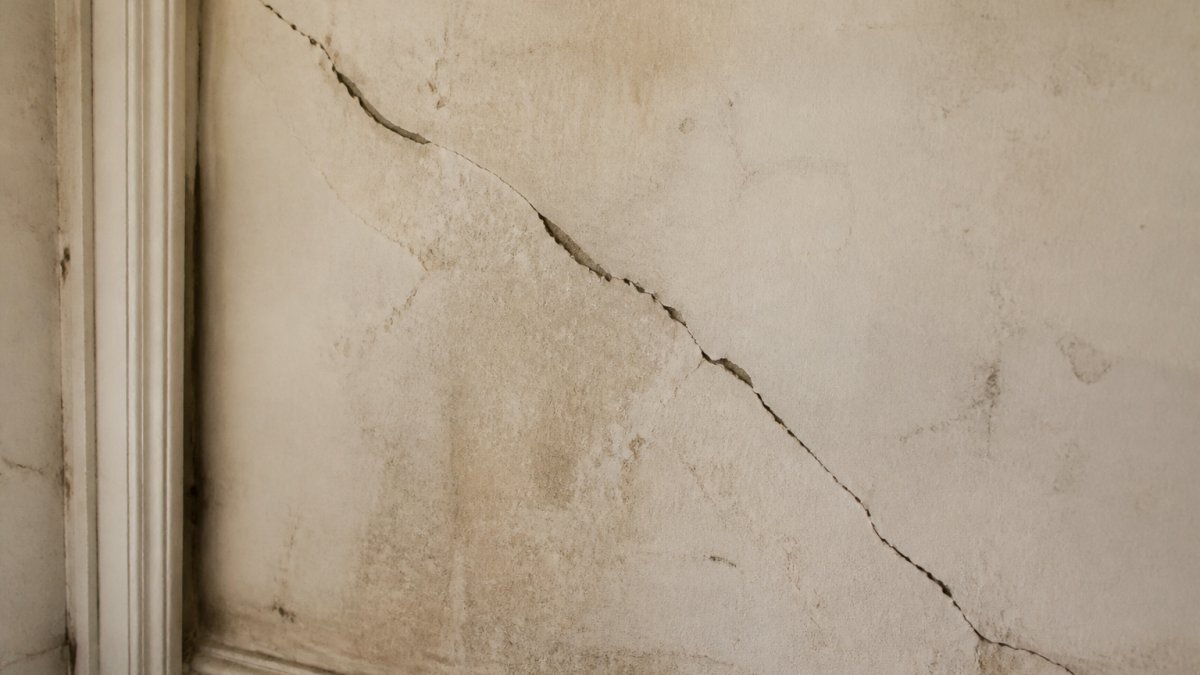
Hairline Cracks vs. Progressive Fracturing
Hairline cracks are thin, usually under 1/8 inch wide, and stable. They appear in plaster and drywall as houses age and materials shrink. These cracks don’t grow. They don’t indicate foundation problems.
Progressive cracks are wider, growing visibly over weeks or months. They often follow a diagonal pattern, especially in older brick or block foundations.
Here’s how to tell the difference:
- Hairline cracks: barely visible, same width throughout, no change over time
- Progressive cracks: wider than 1/8 inch, growing visibly, often diagonal or horizontal, sometimes leaking water
Mark a crack with a piece of tape and note the date. Check it in two weeks. If it’s grown, you have a structural issue. If it’s unchanged, it’s likely cosmetic.
Chimney Cracks and Masonry Separation
Chimneys are common problem areas in older homes. They settle independently from the main house because they sit on their own foundation.
Masonry cracks in chimneys are serious for two reasons. First, they indicate structural movement. Second, they allow water and exhaust gases to escape into the house. Damaged mortar joints should be repointed by a mason.
Brick chimneys also develop cracks from freeze-thaw cycles. Water enters the brick, freezes, expands, and breaks the material. This happens faster in older brick that’s already weakened.
Floors, Ceilings, and Structural Members: Sagging and Settling
Floors and ceilings reveal structural problems clearly. A sagging floor means the beams supporting it are failing. A sagging ceiling indicates the same problem above. These aren’t cosmetic issues, they signal active structural damage in older houses.
Sloping, Sagging, and Heaving Floors
Sloping floors are common in older homes. A gentle slope across a room is usually just settling. But floors that sag noticeably in the middle, or that slope more steeply than 1 inch per 20 feet, indicate beam failure.
Heaving is the opposite problem. Floors that bulge upward in the middle usually mean soil is pushing up from below. This happens when:
- Soil expands from moisture
- Tree roots grow under the floor
- Poor drainage creates hydrostatic pressure
- Frost heave occurs in cold climates
Sagging and heaving both require professional assessment. Open the basement or crawlspace and look at the support beams. Are they straight? Do they have visible cracks? Are there water stains suggesting past flooding? These observations help a structural engineer diagnose the problem.
Sagging Ceilings and Rotting Beams
Sagging ceilings often come from water damage. Leaks from the roof or upper floors saturate the wood, causing it to rot and lose strength.
Wood rot is progressive. It spreads as long as moisture persists. If you see sagging and water stains, the leak must be fixed first. Then the rotted beam needs replacement.
Check your attic for signs of rot. Look for:
- Soft spots in wood beams (press with a screwdriver)
- Discoloration and staining
- Visible mold or mildew
- Water damage patterns
Rotting beams are a safety hazard. They can fail suddenly. If you find rot, have a structural engineer assess the extent and recommend repairs.
Doors, Windows, and Gaps: Early Warning Signs
Doors and windows that stick or jam are often the first sign of structural movement. As the house shifts, door frames go out of square. Windows bind in their tracks.
Gaps around door and window frames appear when the structure moves. The frame was installed square, but if the house settles unevenly, the frame tilts.
Sticky doors and windows that develop suddenly warrant investigation. Check the foundation and framing for cracks. Document when the problem started and whether it’s getting worse.
Schedule an Inspection or Request a Proposal →
Older Home Inspection Checklist: Room-by-Room Assessment
A systematic inspection catches problems early. Walk through your house with this checklist. Document what you find with photos and notes. This becomes your baseline for detecting new problems.
Basement and Foundation Areas
The basement reveals the most about your home’s structural health. Spend time down here looking carefully.
Check for:
- Cracks in foundation walls (note size, direction, and location)
- Water stains or active water intrusion
- Efflorescence (white powder on concrete, indicating water movement)
- Bowing or bulging walls
- Gaps between foundation and sill plate
- Rotting rim joists or band board
- Mold or mildew growth
- Sump pump operation and condition
- Drainage around the perimeter
Photograph everything. Note dates. These images become your record of the home’s condition.
Main Living Spaces
On the main floors, focus on structural indicators rather than cosmetic issues.
Look for:
- Cracks in walls (especially diagonal cracks)
- Doors and windows that stick or jam
- Gaps around door and window frames
- Sloping or sagging floors (use a level)
- Cracks in plaster or drywall (note if they’re hairline or wider)
- Water stains on ceilings
- Visible gaps between walls and ceilings
- Squeaking or movement in floors when you walk
Test doors by opening and closing them. Do they swing freely or bind? Check windows the same way. Operate them smoothly or do they stick?
Attic and Upper Floors
The attic shows water damage and structural problems clearly.
Examine:
- Roof framing for cracks, rot, or insect damage
- Underside of roof sheathing for water stains
- Attic insulation for moisture or mold
- Ventilation condition and adequacy
- Chimney flashing and condition
- Collar ties and rafter connections
- Sagging or bowing roof line (look from inside)
- Evidence of animal damage or nesting
Water stains in the attic indicate past or present leaks. Soft spots in wood mean rot. Both need attention.
When to Hire a Structural Engineer for Older Houses
Not every crack requires a structural engineer. But certain findings demand professional assessment. Knowing when to call separates unnecessary expense from necessary protection.
Call a structural engineer if you find:
- Horizontal cracks in foundation walls
- Cracks wider than 1/4 inch
- Active water intrusion in the basement
- Visibly sagging floors or ceilings
- Bowing or bulging walls
- Rotting structural members
- Doors and windows that suddenly stick or jam
- Gaps larger than 1/4 inch around frames
A structural engineer brings expertise, liability insurance, and the authority to recommend repairs. They produce a written report documenting findings and recommendations. This report protects you and guides contractors doing repairs.
Safety Triage and Emergency Warning Signs
Some problems need immediate attention. Don’t wait for a scheduled inspection if you find these conditions:
- Active water flooding from the basement
- Visible cracks in foundation walls that are growing
- Sagging ceilings showing signs of imminent failure
- Rotting beams with soft spots throughout
- Walls leaning noticeably inward
- Chimney leaning or separating from the house
These are emergency conditions. Contact a structural engineer immediately. In the meantime, keep people away from the affected area and prevent further water intrusion if possible.
What a Structural Inspection Involves
A structural inspection is different from a general home inspection. The engineer focuses specifically on the building’s skeleton: foundation, framing, load-bearing walls, and connections.
The process typically includes:
- Visual examination of all structural elements
- Measurement of cracks, deflections, and out-of-plumb conditions
- Probing of suspect wood for rot
- Assessment of soil conditions and drainage
- Review of any previous repairs or modifications
- Testing of structural adequacy
- Written report with findings and recommendations
The engineer may recommend additional investigation, such as soil testing or laboratory analysis of materials. They’ll explain repair options and their costs. They may refer you to specialists like foundation contractors or mold remediators.
Full Disclosure Property Inspection uses advanced tools like thermal imaging to identify hidden moisture and structural issues. These technologies can reveal problems that visual inspection alone might miss.
Documenting Changes and Protecting Your Investment
Keep records of your home’s condition. Photograph cracks, water stains, and structural issues. Note dates and measurements.
First, it establishes your baseline.
Second, it helps professionals diagnose problems. A structural engineer can see the progression of damage over time. This information guides repair recommendations.
Third, it protects your investment if you sell. Disclosure laws require you to report known structural issues.
Create a simple spreadsheet or document:
- Date of observation
- Location in house
- Description of the issue
- Photos
- Measurements if applicable
- Any professional assessments
- Repairs completed
Update it annually or when you notice changes.
Structural damage in older houses develops slowly, but recognizing the warning signs early saves money and prevents safety hazards.
Frequently Asked Questions
How can you tell if an older house has structural damage?
Look for visible signs including diagonal or widening cracks in walls, uneven or sloping floors, doors and windows that stick or won’t close properly, gaps forming around window and door frames, bowing or bulging walls, sagging ceilings, and chimney separation from the house. Many signs appear gradually as foundations settle or soil shifts. A professional inspection using thermal imaging can reveal hidden moisture and structural issues that aren’t visible to the naked eye, helping you distinguish normal age-related movement from progressive structural damage.
What’s the difference between normal settling and serious foundation problems in older homes?
Normal settling in older homes typically produces hairline cracks that remain stable over years. Serious foundation problems show widening or diagonal cracks, stair-step patterns in masonry, visible bowing walls, or floors that slope noticeably. If cracks reappear after repair, doors and windows become progressively harder to close, or you notice new gaps forming, these indicate ongoing movement. Soil movement, moisture intrusion, and poor drainage accelerate damage. Document changes with photos and dates. When signs progress rapidly or affect multiple areas, hire a structural engineer to assess whether repairs are needed.
When should you hire a structural engineer for an older house?
Hire a structural engineer if you observe diagonal cracks wider than 1/4 inch, bowing walls, sagging floors, rotting beams or joists, or water staining suggesting moisture intrusion. If foundation cracks are widening, doors and windows jam consistently, or ceilings sag noticeably, professional assessment is essential. A structural engineer evaluates whether damage poses safety risks and recommends repair approaches.
Can structural damage in older houses be repaired?
Many structural issues in older homes are repairable, depending on severity and cause. Foundation settlement can be addressed through underpinning or piering. Wall cracks may require epoxy injection or reinforcement. Rotting beams and joists can be replaced or sister-joisted. However, repair cost and feasibility depend on the extent of damage and the home’s construction type. A structural engineer will recommend the best approach and help you understand repair costs and timelines.


