Table of Contents
- What Does a Home Inspector Check
- Structural and Foundation Issues
- Roofing, Flashing, and Drainage Defects
- Electrical and Plumbing System Hazards
- HVAC Performance and Insulation Gaps
- How to Read a Home Inspection Report
- Negotiating Repairs After Home Inspection
- Frequently Asked Questions
Last Updated: September 29, 2026
What Does a Home Inspector Check
A home inspector evaluates the major systems and structural components of a property to identify safety hazards and maintenance issues. This comprehensive assessment covers everything from the foundation to the roof, electrical systems to plumbing, and HVAC equipment to insulation. At Full Disclosure Property Inspection, we understand that purchasing a home is likely the largest investment you’ll make, which is why a thorough inspection protects your interests by uncovering problems before you close.
The inspection process focuses on readily accessible components that are in serviceable condition. Inspectors don’t tear into walls or move permanent fixtures. Instead, they use visual inspection techniques combined with advanced tools like thermal imaging to identify issues that might not be obvious to the untrained eye.
You receive a detailed, computer-generated report that explains findings in plain language. This report becomes your roadmap for negotiating repairs or deciding whether the property is worth pursuing.
Structural and Foundation Issues
Foundation problems are among the most serious common home inspection findings. Cracks in concrete, uneven settling, or water intrusion can indicate structural movement that requires professional evaluation. A small hairline crack might be cosmetic, but a wider crack or a pattern of cracks suggests foundation settlement.
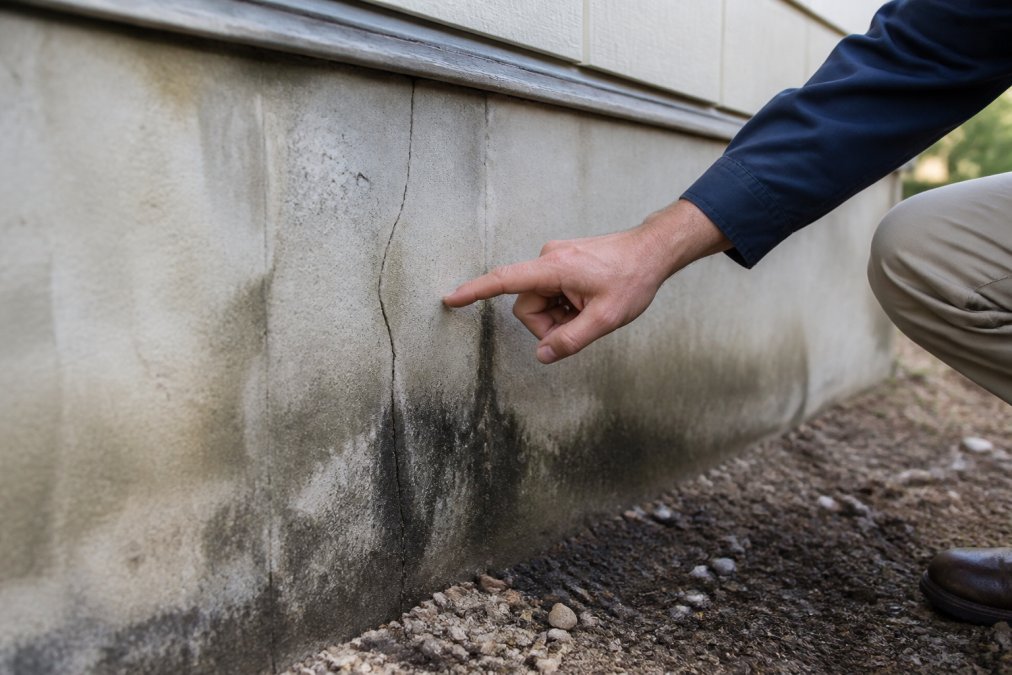
Look for these red flags during your inspection:
- Horizontal cracks in the foundation (more serious than vertical ones)
- Stair-step cracks in brick or block
- Water stains or efflorescence (white mineral deposits) on basement walls
- Sloping or uneven floors inside the home
- Doors and windows that stick or won’t close properly
- Gaps between the foundation and sill plate
Foundation settlement is a natural process as a home ages, but excessive movement needs attention. The inspection report will note whether cracks appear stable or active. Remediation costs for serious foundation issues can be substantial, so this is critical information for your purchase decision.
Roofing, Flashing, and Drainage Defects
Your roof protects everything underneath it, which makes roof condition one of the most important home inspection findings. Inspectors evaluate shingle condition, roof flashing around chimneys and vents, and drainage systems that direct water away from your home.
Common roofing defects include missing or damaged shingles, deteriorated flashing, and improper downspout termination. Water damage follows poor drainage. If gutters don’t extend far enough from the foundation or downspouts terminate too close to the house, water pools against the foundation and causes moisture intrusion.
Roof age matters significantly. Most asphalt shingles last 15-20 years.
Check these drainage elements:
- Gutters and downspouts are clear and properly sloped
- Downspout termination extends at least 4-6 feet from the foundation
- Grading slopes away from the house
- No standing water or pooling near the foundation
- Roof flashing is intact and properly sealed around penetrations
Electrical and Plumbing System Hazards
Electrical systems present real safety hazards. Inspectors evaluate the main electrical panel, circuit breakers, and outlets for proper function and safety compliance. Outdated wiring or overloaded circuits create fire risk.
Common electrical findings include:
- Missing GFCI outlets in bathrooms, kitchens, and outdoor areas
- Two-prong outlets in areas requiring grounding
- Reverse polarity on outlets (wiring installed backwards)
- Insufficient circuit capacity for the home’s electrical load
- Outdated panel types that insurance may not cover
Look for these plumbing concerns:
- Slow drains or backups in multiple fixtures
- Visible leaks under sinks or around toilets
- Water stains on ceilings or walls indicating roof or plumbing leaks
- Outdated or failing water heaters
- Improper venting or drainage grading
HVAC Performance and Insulation Gaps
Your heating and cooling system’s efficiency directly impacts energy costs and comfort. Inspectors evaluate HVAC equipment age, function, and maintenance condition. A system nearing the end of its serviceable life may fail soon, requiring expensive replacement. Most air conditioning systems last 10-15 years; furnaces typically last 15-20 years.
Energy Efficiency Audit Findings
Many modern inspections now include thermal imaging to identify energy loss patterns. This technology reveals where insulation is missing or compressed, where air leaks occur around windows and doors, and where ductwork may be leaking conditioned air into unconditioned spaces like attics or crawlspaces.
Schedule an Inspection or Request a Proposal →
Common energy efficiency findings include:
- Insufficient attic insulation:
- Basement or crawlspace insulation gaps: Uninsulated rim joists and band boards are a major source of heat loss in winter and heat gain in summer.
- Ductwork leakage: Unsealed or poorly sealed ducts can lose 20-30% of conditioned air before it reaches living spaces.
- Air infiltration around penetrations: Gaps around electrical outlets, light fixtures, and plumbing vents allow unconditioned air to enter the home.
- Thermostat functionality and programming: Older manual thermostats or non-programmable units waste energy compared to programmable or smart thermostats.
HVAC System Condition and Maintenance
Beyond age and function, inspectors assess whether the system has received proper maintenance. A well-maintained system runs more efficiently and lasts longer. Look for these maintenance indicators:
- Recent filter changes: A clean or recently replaced air filter improves efficiency and indoor air quality.
- Refrigerant levels: Low refrigerant in an air conditioning system indicates a leak and reduces cooling capacity.
- Ductwork condition: Damaged, disconnected, or poorly insulated ducts reduce system efficiency.
- Blower motor operation: The blower should run smoothly without noise or vibration.
- Condensate drainage: The AC condensate line should drain freely without blockages.
Common HVAC and insulation findings include:
- Insufficient insulation in attic, walls, or basement (R-value below code minimum)
- Blocked or inadequate crawlspace ventilation
- Leaking ductwork reducing system efficiency
- Thermostat not functioning properly or lacking programmable features
- System hasn’t been serviced recently (no maintenance records available)
- Refrigerant leaks in air conditioning systems
- Oversized or undersized equipment for the home’s square footage
How to Read a Home Inspection Report
A detailed inspection report translates technical findings into actionable information. Understanding the report format helps you identify what actually needs attention versus cosmetic defects.
Key report elements to understand:
- Readily accessible components: Inspectors only evaluate areas they can safely access without removing permanent fixtures or causing damage.
- Serviceable condition: Equipment functions as designed but may need maintenance or be nearing the end of its useful life.
- Deferred maintenance: Routine care has been skipped, causing accelerated wear that may require repair soon.
- Safety compliance: Items that fail to meet current electrical, plumbing, or building codes and pose a hazard to occupants.
- Estimated remaining life: How long a system will likely function before replacement becomes necessary.
Standard Home Inspection vs. Insurance-Required 4-Point Inspections
Not all inspection reports are the same. Many homebuyers don’t realize that their insurance company may require a separate “4-point inspection” before issuing a homeowners policy, particularly for homes over 25-30 years old or in high-risk areas.
- Roof condition and age: Insurers want to know the roof type, age, and remaining lifespan. Most insurers won’t cover homes with roofs over 20-25 years old without a roof certification or replacement (How Your Roof Influences Your Home and Business Insurance).
- Electrical system: The inspection verifies the main panel type, wiring method (copper vs. aluminum), and whether the system meets current safety standards. Outdated panel types like Federal Pacific Electric (FPE) or Zinsco panels are often flagged as uninsurable.
- Plumbing system: Inspectors verify the water supply line material and check for galvanized steel pipes, which corrode over time and may be flagged as a concern. Polybutylene (PB) plastic pipes are often flagged as a liability.
- HVAC system: The inspection documents the heating and cooling equipment type, age, and operational status.
Reading Severity Levels in Your Report
Most inspection reports use a severity rating system:
- Safety hazard: Poses an immediate risk to occupants. Examples: exposed electrical wiring, missing handrails, gas leaks, structural failure. These must be addressed before closing or you should reconsider the purchase.
- Major defect: Affects the home’s function or durability. Examples: roof leaks, foundation cracks, failed HVAC, plumbing backups. These should be negotiated for repair or credit.
- Minor defect: Affects function but is not urgent. Examples: slow drains, worn caulking, missing outlet covers. These can often be deferred or handled yourself.
- Maintenance item: Routine upkeep that has been deferred. Examples: filter changes, gutter cleaning, caulk replacement. These are your responsibility as the owner.
Ask your inspector to explain any findings you don’t understand. A professional inspector provides detailed explanations and can discuss how findings affect your decision and your future maintenance costs.
Negotiating Repairs After Home Inspection
Once you have the inspection report, you can negotiate repairs with the seller. Your strategy depends on the severity of findings and the current real estate market.
Prioritize your negotiation requests:
- Must repair: Safety hazards like electrical problems or structural issues
- Should repair: Items affecting home functionality like HVAC or plumbing
- Can defer: Cosmetic issues or deferred maintenance you’re willing to handle
Frequently Asked Questions
What are the most common home inspection findings?
The most frequently identified issues include roof damage, foundation cracks, electrical safety concerns like missing GFCI outlets, plumbing leaks, HVAC inefficiency, and moisture intrusion in basements or crawlspaces. Cosmetic defects such as drywall cracks and window operability problems also appear regularly. These findings span structural integrity, system functionality, and safety hazards. Most homes have at least one item requiring attention, making comprehensive inspection essential before purchase.
How do I know if home inspection findings are serious or just cosmetic?
Your inspection report categorizes items by severity and safety impact. Critical findings affect structural integrity, electrical safety, or pose health risks, these require immediate remediation. Significant items impact system functionality or property maintenance but aren’t emergencies. Cosmetic defects are minor and don’t affect performance. Understanding this distinction helps you prioritize repairs and budget accordingly. A detailed, computer-generated report clearly identifies which category each finding falls into.
Can thermal imaging find problems a regular inspection would miss?
Thermal imaging detects temperature variations that reveal hidden moisture intrusion, insulation gaps, and electrical hotspots invisible during visual inspection. This non-invasive assessment identifies energy efficiency issues and potential safety hazards before they become costly problems. While visual inspection covers readily accessible components, thermal imaging adds critical insight into wall cavities, attic spaces, and concealed areas, making it a valuable tool for comprehensive property assessment.
Do I really need a full inspection if I’m buying a newer construction home?
Yes. New construction homes may have builder defects, incomplete installations, or code compliance issues that aren’t apparent. Inspectors check that all systems are functioning properly, materials meet standards, and construction was completed to specification. Settlement patterns, drainage grading, and HVAC efficiency can all present problems in newer homes. A comprehensive inspection protects your investment regardless of age and provides documentation for warranty claims if issues emerge.


