Table of Contents
- Why Prioritization Matters in Your Inspection Report
- Step 1: Identify Immediate Safety Hazards First
- Step 2: Assess Major Systems and Deferred Maintenance
- Step 3: Distinguish Cosmetic Issues from Functional Defects
- Common Home Inspection Red Flags You Cannot Ignore
- Home Inspection Repair Negotiation Tips for Buyers
- How to Read and Rank Your Inspection Report Summary
- Frequently Asked Questions
Last Updated: September 22, 2026
Why Prioritization Matters in Your Inspection Report
Your inspection report might list 50 issues, but only 3-5 threaten your safety or investment. The rest are cosmetic or minor maintenance items. Knowing what to prioritize in inspection reports saves thousands of dollars and transforms your negotiation strategy. Most buyers panic and assume everything needs fixing before closing, a costly mistake. The real skill is separating critical defects from deferred maintenance you can live with or negotiate later. Safety hazards and major system failures come first. Everything else comes second.
Step 1: Identify Immediate Safety Hazards First
Safety issues are non-negotiable. These are problems that put occupants at risk or could cause rapid, catastrophic damage. If your inspection report flags any of these, they must be addressed before closing.
Active Leaks and Water Intrusion
Water damage is progressive. Active leaks, water actively entering the home during inspection, are red flags that demand immediate attention.
Look for these signs in your inspection report:
- Water stains on ceilings or walls (especially fresh stains)
- Mold or mildew in attics, crawlspaces, or basements
- Wet insulation or rotted framing
- Standing water in basements or crawlspaces
- Daylight visible through roof or wall penetrations
If the inspector found active leaks, this is a deal-breaker item. Negotiate for repairs or walk away.
Active water intrusion can cause structural failure within months. Delaying repairs means exponential damage costs. This is your highest-priority safety hazard.
Electrical Wiring and Gas Line Safety
Faulty electrical wiring and gas line problems are fire and electrocution hazards. Your inspection report should document any electrical code violations or unsafe gas connections.
Critical electrical red flags:
- Outdated wiring (knob-and-tube, aluminum branch circuits)
- Improper grounding or bonding
- Overcrowded breaker panels or double-tapped breakers
- Exposed wiring or damaged insulation
- Outlets near water sources without GFCI protection
Gas line hazards:
- Corroded or damaged gas lines
- Improper connections or missing shut-off valves
- Gas leaks detected during inspection
- Unsafe venting of gas appliances
These require a licensed electrician or gas technician to repair. Do not negotiate these away. If your inspection found electrical or gas safety issues, budget for professional remediation before closing.
Structural Integrity Issues
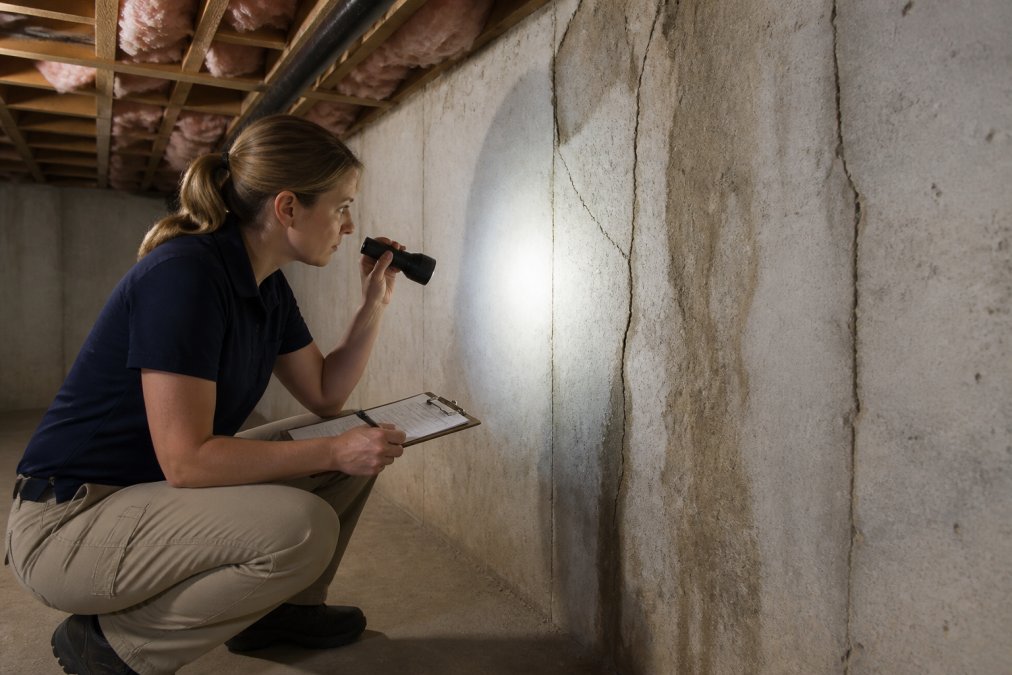
Foundation cracks, sagging floors, and bowing walls indicate structural problems. Not all cracks matter equally, the inspector’s report should distinguish between cosmetic settling cracks and serious structural defects.
Serious structural red flags:
- Large, active cracks (wider than 1/4 inch) in foundation or walls
- Sagging or bouncy floors indicating beam failure
- Bowing exterior walls
- Gaps between walls and roof line
- Evidence of foundation movement or settling beyond normal
Minor cosmetic cracks (hairline, stable) are normal in older homes. Major cracks affecting load-bearing walls or foundations demand structural engineering assessment before negotiating.
Ask the inspector whether cracks are active (still moving) or stable (stopped years ago). Active cracks are urgent. Stable cracks can be monitored.
Step 2: Assess Major Systems and Deferred Maintenance
After safety hazards, focus on major systems. These are the expensive replacements: HVAC, roof, plumbing, electrical panels. Deferred maintenance on these systems costs thousands to fix. Understanding their remaining lifespan helps you budget accurately.
HVAC Efficiency and Lifespan
HVAC systems typically last 15-20 years. The inspector should document the system’s age, condition, and whether it’s functioning properly.
Key HVAC findings to prioritize:
- Age of furnace or heat pump (units over 15 years are near end-of-life)
- Refrigerant leaks or low charge
- Rusted or corroded components
- Improper ductwork or insulation
- System not maintaining temperature
A functioning older system can wait. A system with active leaks or failing components needs repair or replacement soon. If the report shows imminent failure, negotiate for credit or repair.
Roof Condition and Remaining Life
Your inspection report should estimate remaining roof life based on visible wear and material type.
Critical roof red flags:
Schedule an Inspection or Request a Proposal →
- Missing or curling shingles
- Sagging roof line
- Moss or algae growth (indicates moisture retention)
- Flashing gaps or rust
- Active leaks or water stains in attic
- Roof age near or exceeding material lifespan
A roof with 5+ years remaining life is acceptable. A roof nearing end-of-life (15+ years old) needs budgeting for replacement within 2-3 years. If the inspection shows imminent failure, negotiate for replacement or credit before closing.
Plumbing Code Violations and System Failures
The inspector should document water pressure, drain function, and any code violations or active leaks.
Serious plumbing red flags:
- Active leaks under sinks or at connections
- Low water pressure or slow drains
- Galvanized steel pipes (corroding, reducing water quality)
- Improper venting or trap configurations
- Sewer line issues or backups
- Water heater nearing end-of-life (10+ years)
Minor issues like slow drains can wait. Active leaks or sewer problems demand immediate repair. Ask sellers to repair before closing or credit you for repairs.
Major systems near end-of-life don’t require immediate replacement, but budget for them within 3-5 years. Active failures require repair before closing.
Step 3: Distinguish Cosmetic Issues from Functional Defects
Cosmetic problems are visual but don’t affect function or safety. Functional defects impair performance or create safety risks.
Cosmetic issues you can ignore:
- Chipped paint or stained drywall
- Worn carpet or flooring (unless hiding water damage)
- Outdated fixtures or finishes
- Missing caulk around tubs or sinks
- Cosmetic foundation cracks (hairline, stable)
Functional defects you must address:
- Doors or windows that don’t close properly
- Outlets not functioning
- Plumbing fixtures with no water pressure
- Appliances that don’t work
- HVAC not reaching set temperature
- Visible rot or water damage in framing
If the report lists 30 items but only 5 are functional, you’re in a strong negotiating position. Accept cosmetic issues in exchange for repairs or credits on functional ones.
| Issue Type | Examples | Priority | Action |
|---|---|---|---|
| Safety Hazard | Active leaks, electrical faults, gas leaks, foundation cracks | Urgent | Negotiate for repair or credit |
| Major System Failure | HVAC breakdown, roof failure, sewer backup | High | Budget for replacement, negotiate credit |
| Deferred Maintenance | Aging roof, old HVAC, water heater nearing 10 years | Medium | Budget for future replacement |
| Functional Defect | Non-working outlets, slow drains, broken windows | Medium | Negotiate for repair |
| Cosmetic Issue | Chipped paint, worn carpet, outdated fixtures | Low | Accept or negotiate minor credit |
Common Home Inspection Red Flags You Cannot Ignore
Certain findings appear repeatedly in inspection reports and consistently signal serious problems. Learning to spot these red flags helps you prioritize accurately.
Home Inspection Repair Negotiation Tips for Buyers
Your inspection report is your negotiating tool. How you use it determines whether you save thousands or leave money on the table.
Understanding Your Walk-Away Threshold
Your walk-away threshold is the maximum repair cost you’ll accept before canceling the purchase. Calculate it by adding critical repair estimates plus 15% contingency, then subtracting from your offer price. If the result exceeds your budget, renegotiate or withdraw. Your walk-away threshold isn’t emotional, it’s financial protection against overpaying.
Buyers who ignore their walk-away threshold often end up underwater financially. The “perfect” home isn’t worth overpaying for repairs that should have been negotiated.
Seller vs. Buyer Responsibility Matrix
Seller typically repairs: active leaks, electrical/gas safety violations, major system failures, code violations, and items the seller knew about. Buyer typically accepts: cosmetic wear, normal settling, deferred maintenance on functioning systems, and hidden defects. Negotiable items: aging systems near end-of-life and non-critical functional defects. In a buyer’s market, push for repairs and credits. In a seller’s market, expect to accept more issues as-is.
How to Read and Rank Your Inspection Report Summary
Most inspection reports are 20-40 pages long. The summary section is your roadmap. It organizes findings by category and severity. Learning to read it saves you time and focuses your attention on what matters.
When reading your summary, create a simple ranked list:
- Critical safety items (must repair before closing)
- Major system failures (must negotiate for repair or credit)
- Deferred maintenance (budget for future replacement)
- Functional defects (negotiate for repair or credit)
- Cosmetic issues (accept or negotiate minor credit)
Frequently Asked Questions
What should I prioritize first when reading my inspection report?
Start with safety hazards, active leaks, electrical wiring problems, gas line issues, and foundation cracks. These affect your family’s safety and require immediate attention. Next, review major systems (HVAC, roof, plumbing) to understand deferred maintenance costs. Finally, note cosmetic issues, which are lower priority. A professional inspection report typically highlights critical findings upfront, making this easier to identify.
How do I distinguish between safety hazards and cosmetic issues in an inspection report?
Safety hazards directly threaten occupant health or property integrity: active leaks, electrical code violations, foundation movement, and gas line problems. Cosmetic issues do not affect function or safety, peeling paint, minor drywall damage, or worn flooring. Functional defects fall between: a malfunctioning appliance or reduced HVAC efficiency. Your inspection report should clearly categorize findings by severity, helping you focus on what truly matters for your investment protection.
What inspection findings are deal-breakers when buying a home?
Deal-breakers depend on your financial capacity and risk tolerance. Major red flags include active foundation cracks indicating structural movement, extensive water damage suggesting progressive damage, electrical wiring that violates building code, or a roof nearing end of life requiring immediate replacement. High-cost repairs (foundation work, full roof replacement, major plumbing remediation) often exceed buyer budgets. A licensed contractor estimate for critical issues helps you determine if repair costs exceed your walk-away threshold, the maximum you’re willing to invest post-purchase.
Should I ask the seller to fix everything found in the inspection report?
No. Prioritize safety hazards and major systems requiring remediation. Negotiate for repairs that protect your investment: structural integrity issues, code violations, and systems near end of life. For cosmetic issues or minor functional defects, consider repair credits instead of seller repairs, this gives you flexibility and avoids contractor delays. Use your inspection report as negotiation leverage by focusing on estimated repair costs for critical items, not minor findings.


