Last Updated: October 27, 2026
Quick Summary
A roof inspection examines four things: the surface covering, the flashing at penetrations and edges, the drainage system, and the structure underneath. Inspectors look for cracked or missing shingles, failed flashing, clogged gutters, and water stains or rot in the attic. A roof inspection typically takes 30 to 60 minutes on its own.
- Flashing is the metal that seals roof joints, and it is where most leaks start.
- The attic tells the truth the shingles hide, so never skip it because the roof looks fine.
- Report words matter: monitor means watch it, repair means fix it soon, replace means it is failing now.
- Sort findings into safety hazard, major defect, and maintenance item before you negotiate.
- Schedule the roof inspection early in your contingency window, not on the last day.
Table of Contents
- Why the Roof Decides So Many Home Deals
- Your Roof Inspection Checklist: What Inspectors Actually Examine
- Common Roof Problems Inspectors Find Again and Again
- What Roof Inspection Report Examples Reveal About Severity
- How Long Does a Roof Inspection Take, and What Affects the Timeline?
- Major Defect or Maintenance Item? How to Sort Findings and Estimate Repair Costs
- As-Is Clauses, Contingencies, and Your Negotiation Use
- Scheduling Your Roof Inspection with Full Disclosure Property Inspection
- Frequently Asked Questions
Why the Roof Decides So Many Home Deals
A roof inspection is the process of examining a roof’s surface, flashing, drainage, and underlying structure to find defects before a buyer commits to a purchase.
Why does the roof carry so much weight? Because it sits above everything you own.
A failing roof does not stay a roof problem. Water finds the decking, then the attic insulation, then the ceiling drywall, then the framing. By the time a stain shows up in a bedroom, the damage has been running for months.
Below, we break down exactly what to look for in a roof inspection, from the shingles down to the rafters. You will learn how to read a report, sort major defects from maintenance items, and use your findings at the negotiating table.
Your Roof Inspection Checklist: What Inspectors Actually Examine
An inspector checks four things on a roof: the surface covering, the flashing at penetrations and edges, the drainage system, and the structure underneath. Each one fails in its own way.
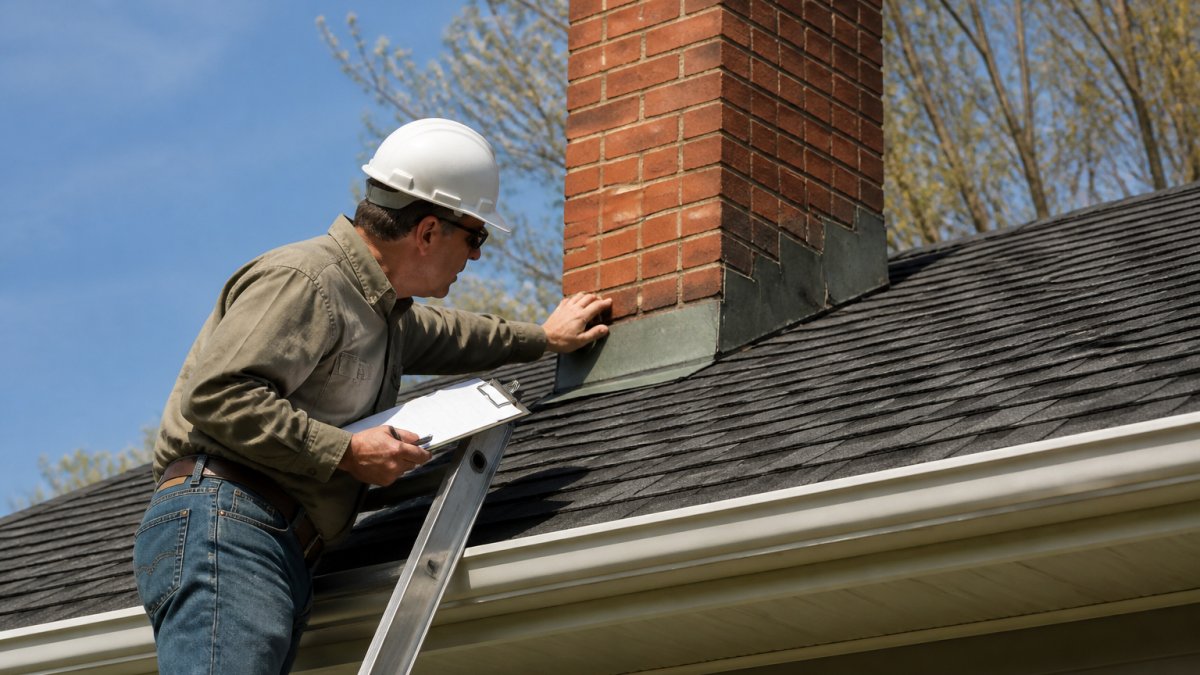
Roof Surface, Flashing, and Drainage
Walk the surface first. An inspector looks for:
- Cracked, curling, or missing shingles
- Bald spots where granules have worn away
- Rusted or lifted nails
- Failed sealant around vents and skylights
- Sagging roof planes
- Gutters pulling loose or clogged with debris
Flashing is the metal that seals roof joints, and it is where most leaks start. Check it at chimneys, valleys, and wall intersections.
Attic, Decking, and Structural Support
The attic tells the truth the shingles hide. Look for water stains on the decking, soft or rotted wood, daylight showing through the boards, and sagging rafters. A common mistake is skipping the attic because the roof looks fine from the ground. Water damage often shows up there first.
For a closer look at what water does to attic materials, see our guide on how to spot water damage in attic insulation.
Common Roof Problems Inspectors Find Again and Again
The same failures show up on roof after roof. Aging shingles top the list, especially past the 20-year mark on standard asphalt. Next comes flashing failure, usually at chimneys and valleys, and it almost always leads to a slow leak.
Then there is deferred maintenance: clogged gutters, missing shingles, and cracked sealant that a homeowner put off for years. Pooled water and poor ventilation follow close behind. Both shorten the roof’s life without ever showing an obvious hole.
What Roof Inspection Report Examples Reveal About Severity
Report language matters more than most buyers realize. “Monitor” means watch it. “Repair” means fix it soon. “Replace” means it is failing now. Reading those words correctly is half the battle.
A good report pairs each finding with a photo and a location. If a report lists a defect without a picture, ask why. For help reading the full document, our guide on reading a comprehensive inspection report walks through the structure line by line.
How Long Does a Roof Inspection Take, and What Affects the Timeline?
A roof inspection typically takes 30 to 60 minutes on its own, and the roof portion of a full home inspection runs 20 to 40 minutes. The timeline depends on roof size, pitch, height, and weather. Steep or tall roofs take longer because the inspector works slowly and safely.
Access is the other factor. A roof that can be walked is faster than one examined from a ladder and with binoculars. Heavy debris or poor attic access adds time too.
Schedule an Inspection or Request a Proposal →
Major Defect or Maintenance Item? How to Sort Findings and Estimate Repair Costs
Sort every finding into three buckets: safety hazard, major defect, and maintenance item. A safety hazard is active and dangerous, like exposed wiring or a gas leak. A major defect is a failing system, like a roof at the end of its life. A maintenance item is normal wear and tear, like a loose gutter.
| Finding | Category | Typical Action |
|---|---|---|
| Active leak into attic | Major defect | Repair or replace before closing |
| Missing shingles | Maintenance item | Repair soon |
| Sagging roof deck | Major defect | Structural evaluation |
| Clogged gutters | Maintenance item | Clean and monitor |
| Exposed chimney flashing | Safety hazard | Fix immediately |
A Three-Step Rubric for Pricing a Roof Finding
Step 3: Apply a regional price band, not a single number. Roofing pricing varies by market, pitch, stories, and material. Rather than guess, collect two contractor quotes on the major items only and compare them against the seller’s disclosure and the inspector’s severity language. If the two quotes diverge by more than about 25%, get a third, the spread usually means one contractor is pricing a repair and the other is pricing a replacement.
Ask each contractor to quote the same scope in writing. A quote for “roof repair” and a quote for “roof replacement” are not comparable, and sellers will exploit that ambiguity at the negotiating table.
The Decision Rule Buyers Actually Need
To turn findings into numbers, get two contractor quotes on the major items only. Our guide on estimating home repair costs after inspection gives you a method for pricing roof findings.
As-Is Clauses, Contingencies, and Your Negotiation Use
That distinction is your negotiation use. A documented major defect gives you room to ask for a repair credit or a price reduction. A cosmetic issue gives you almost none. Know the difference before you ask. Our guide on home inspection contingencies explains how the clause works in your purchase contract.
What an As-Is Clause Actually Does, and Does Not Do
Three practical consequences follow:
- Your inspection right survives. An as-is clause typically does not eliminate your inspection contingency unless the contract says so explicitly. Read the contingency section and the as-is section together, the interaction, not either clause alone, controls your options.
- Your remedy narrows. In an as-is sale, the seller usually has no duty to repair, so your realistic remedies are to cancel within the contingency window or to accept the property with the defect. Asking for a credit is still possible; it is just not backed by a contractual repair obligation.
- Your documentation matters more. Because you cannot rely on a repair duty, the inspection report and contractor quotes become your record of what you knew and when. Keep them.
As-is language and disclosure duties are governed by state law and by the specific contract form your agent uses. This section is general information, not legal advice. Have a real estate attorney review the contract if a major roof defect is on the table.
Reading the Contingency Window Correctly
Your negotiating leverage has an expiration date: the inspection contingency deadline. Before that date, you can cancel and recover your earnest money in most contracts. After it, you generally cannot, the contingency has been waived or has expired, and your deposit is at risk.
That timing drives three rules:
- Schedule the roof inspection early in the window, not on the last day. A roof that cannot be walked because of weather needs a second visit, and a second visit needs runway.
- Deliver any repair request in writing before the deadline. Verbal requests and texts are not contract amendments.
- Get the seller’s response in a signed amendment. A credit that exists only in an email thread does not exist at closing.
How to Frame the Ask
A documented major roof defect supports a specific, evidence-backed request: the inspection report page, the photo, the contractor quote, and a proposed remedy (credit, price reduction, or seller-performed repair with a licensed roofer and a receipt). A vague ask, “the roof needs work”, invites a vague counter. A specific ask with a number attached moves the negotiation.
If the seller refuses and the contract is as-is, your decision reduces to a binary: accept the roof as your problem, or cancel inside the window. That is the moment the cost rubric in the previous section earns its keep, you are comparing a known repair number against the cost of walking away.
Scheduling Your Roof Inspection with Full Disclosure Property Inspection
Book the roof inspection before your contingency deadline, not after. Full Disclosure Property Inspection, led by Certified Master Inspector Melanie Crabtree, includes infra-red thermal imaging free with every fee-paid inspection.
We give you a detailed, computer-generated report that separates critical areas from minor ones, so you know what actually matters. Our team is locally owned and operates under a strict Code of Ethics, giving you an independent opinion.
If you want the full picture of what an inspector examines beyond the roof, read our guide on what a home inspector checks. Then schedule your inspection and get a clear, honest read on the roof before you sign.
Frequently Asked Questions
What does a home inspector check on the roof during a roof inspection?
An inspector may examine roofing materials, flashing, drainage, and the attic. Full Disclosure Property Inspection includes infra-red thermal imaging with fee-paid inspections and provides detailed, computer-generated reports.
What are the most common roof problems that turn up in inspections?
Roof conditions to consider include worn or missing shingles, flashing, drainage, and signs of water intrusion. A home inspection report can help readers review observed conditions.
How long does a roof inspection take, and can it be done from the ground?
A roof inspection typically adds 30 to 60 minutes to a full home inspection, depending on roof size, pitch, and accessibility. Inspectors who cannot safely walk the roof, for example on steep or fragile tile, use binoculars from the ground, a ladder at the eaves, and attic access to assess conditions. Drone photography and thermal imaging help fill gaps. Ask your inspector how they accessed the roof and what limitations they noted, since that affects how confident you can be in the findings.
Is a bad roof a deal breaker, or can you negotiate repairs with the seller?
A roof issue’s significance depends on the property’s condition and the buyer’s circumstances. Review inspection findings and consult qualified real estate and legal professionals about your options.
A roof can look fine from the curb and still be hiding a failing deck or a slow leak. Do not let that surprise land after closing. Full Disclosure Property Inspection brings thermal imaging, a Certified Master Inspector’s eye, and detailed computer-generated reports to every job. Get started with Full Disclosure Property Inspection and know exactly what you are buying.


