Table of Contents
- How a Home Inspection Contingency Protects Buyers in a Purchase Contract
- The Home Inspection Contingency Clause: Contract Language and Notice Requirements
- How Long the Home Inspection Contingency Period Lasts
- What a Professional Inspector Looks For: Structural, Mechanical, and Safety Defects
- Home Inspection Repair Negotiation: Requesting Repairs, Credits, or a Price Adjustment
- Home Inspection Contingency Examples: Three Common Scenarios
- Waiving the Contingency, Earnest Money, and When to Walk Away
- Frequently Asked Questions
Last Updated: October 8, 2026
How a Home Inspection Contingency Protects Buyers in a Purchase Contract
A home inspection contingency is a clause in a purchase contract that gives the buyer a set window to have the property professionally inspected and to negotiate repairs, request a credit, or walk away without losing earnest money if the findings are unacceptable.
Most buyers treat the contingency as a formality. It is not.
A home inspection contingency is a contractual right, not a courtesy: the seller agrees to let you inspect and to let you renegotiate or cancel based on what the inspection finds.
Three things make the clause work:
- A defined inspection period with a hard contract deadline
- A written notice requirement for any request
- A defined remedy if the parties cannot agree
Below, we break down the contract language, timelines, and negotiation paths, so you know what you are signing before you sign it.
The Home Inspection Contingency Clause: Contract Language and Notice Requirements
The typical home inspection contingency clause states that the buyer has a specified number of days from acceptance to complete inspections and deliver written notice of any defects the buyer wants addressed. Everything hinges on that written notice, not on the inspection itself, and not on a phone call to the agent.
Here is the practical structure we see in most purchase agreements:
| Contract Element | What It Says | Why It Matters |
|---|---|---|
| Inspection period | A fixed number of days from acceptance | Sets your deadline to inspect and respond |
| Notice requirement | Written notice of defects and requested remedy | Verbal requests carry no weight |
| Remedy options | Repairs, seller credit, price adjustment, or cancellation | Defines what you can actually ask for |
| Delivery method | Often specified (email, fax, personal delivery, overnight) | The wrong method can void a timely notice |
| Default if silent | Contingency may be deemed waived | Silence can cost you your deposit |
How deadlines are actually counted
Two details trip up buyers constantly. First, “days” may mean calendar or business days, and the contract defines which. Second, the clock usually starts the day after acceptance, not the day of acceptance, but some forms start it on the day of acceptance.
Assume acceptance on a Monday and a 10-day inspection period counted in calendar days from the day after acceptance:
- Day 0 (Monday): Offer accepted; contract fully executed.
- Day 1 (Tuesday): Clock starts. Schedule the inspector today.
- Day 3-5: Inspection performed; report delivered.
If the contract counts business days instead, weekends and federal holidays are excluded, which can push the deadline out by several days. Never assume, count it on a calendar and confirm with your agent in writing.
What “written notice” actually requires
Most contracts require notice to be in writing and delivered by a method the contract recognizes, personal delivery, overnight courier, email to a specified address, or fax. A text to the listing agent is usually not enough. A verbal comment at the inspection is never enough.
A defensible notice typically includes:
- The property address and contract date
- A clear statement that the buyer is exercising the inspection contingency
- The specific defects being raised, tied to the inspection report
The single most common mistake is delivering a repair request verbally or after the deadline. In most contracts, a late or unwritten request means the contingency is treated as satisfied, and you lose the right to negotiate or cancel. Keep proof of delivery, a sent email with a timestamp, a courier receipt, or a fax confirmation.
Where the wording varies
Contract forms differ by state and brokerage. Some use a standalone inspection contingency addendum; others fold inspection rights into a broader due diligence period. Some require the buyer to state a specific remedy; others let the buyer simply disapprove the property and cancel. Because misreading the clause is severe, have a real estate attorney or experienced agent read the exact form you are signing before the deadline, not after.
How Long the Home Inspection Contingency Period Lasts
A home inspection contingency period typically runs from a few days to a couple of weeks after acceptance, and the exact length is negotiated, not standard.
The length matters more than most buyers realize.
A practical approach: match the period to the property. A newer home needs less time.
If you are deciding how to compete without giving up your protection, consumer guidance on homebuying and inspections is a useful starting point for understanding what you are entitled to review.
What a Professional Inspector Looks For: Structural, Mechanical, and Safety Defects
A professional inspector examines the home’s structure, mechanical systems, and safety components, then documents defects in a written report.
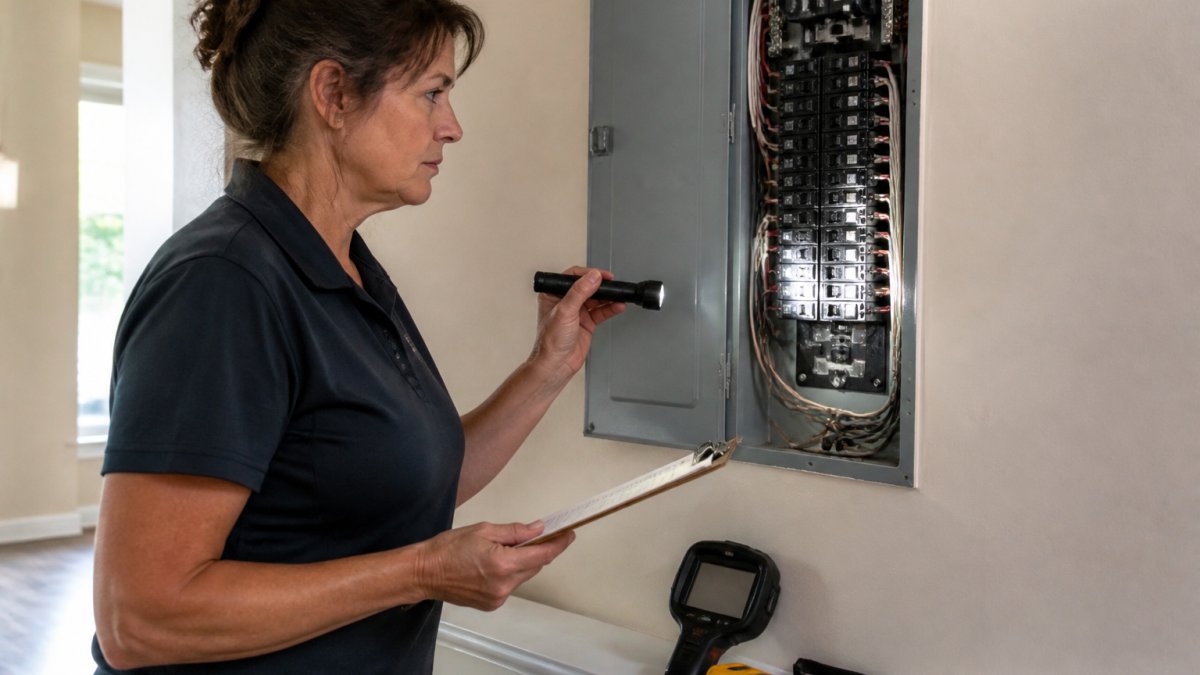
A standard property inspection covers:
- Foundation, framing, and structural issues
- Roof condition and drainage
- Electrical systems and panels
What most guides miss is the difference between a defect and a maintenance item. A cracked heat exchanger is a safety concern.
That is also where specialist inspections come in. A general inspection may flag a concern requiring a licensed roofer, electrician, or structural engineer to evaluate further.
Schedule an Inspection or Request a Proposal →
Home Inspection Repair Negotiation: Requesting Repairs, Credits, or a Price Adjustment
Home inspection repair negotiation is the process of using the inspection findings to ask the seller for repairs, a seller credit, or a price adjustment before the contingency deadline passes.
We group the outcomes into three paths:
- Seller repairs: the seller fixes the issue before closing. Best for safety and structural items.
- Seller credit: the seller contributes money toward your closing costs or repairs. Best when you want control over who does the work.
- Price adjustment: the purchase price drops to reflect the defect. Best for significant, quantifiable issues.
End-of-life items, like an aging roof or water heater that still functions, are usually negotiated as a credit or price adjustment rather than a repair, because the seller has no obligation to replace a working system.
Ask for the few things that actually matter. A short, prioritized repair request on major defects and safety concerns gets agreed to far more often than a long list that includes cosmetic items. Sellers read a 20-item list as a renegotiation of the whole deal.
Home Inspection Contingency Examples: Three Common Scenarios
Home inspection contingency examples show how the same clause plays out differently depending on what the inspection finds and how the parties respond.
Scenario one: clean inspection, no request. The inspection finds only minor maintenance items.
Scenario two: significant defects, negotiated credit. The inspection uncovers a failing HVAC system and active roof leaks.
Scenario three: unresolved defects, cancellation. The inspection reveals extensive structural issues, and the seller refuses to repair, credit, or adjust the price.
The difference between scenario two and scenario three is almost always documentation and timing.
Waiving the Contingency, Earnest Money, and When to Walk Away
Waiving the home inspection contingency means giving up the contractual right to inspect, negotiate, or cancel based on property condition. It removes a condition from your offer, which can make it more competitive, but it also removes your exit. Some buyers waive only the right to request repairs while keeping the right to cancel, a middle path worth asking your agent about, because the two rights are often separate in the contract.
What happens to earnest money after cancellation
Earnest money is the deposit the buyer puts into escrow when the contract is signed. Whether you get it back after canceling depends on three things: the contract terms, whether you gave timely written notice, and state or local law.
- Cancel within the contingency period, with proper written notice: the deposit is generally returned to the buyer. The contract usually directs the escrow holder to release funds once both parties sign a release.
- Cancel after the contingency expires: the seller may be entitled to keep the deposit as liquidated damages, and the buyer may have to sign a release to avoid a dispute.
- Cancel without proper notice: even if you are inside the window, a defective notice can be treated as no notice, which puts the deposit at risk.
If you think you may need to cancel, send written notice before the deadline even if you are still negotiating. You can always withdraw a notice; you cannot un-miss a deadline.
Seller response options and negotiation scenarios
Negotiation is not guaranteed. When a buyer delivers a repair request, the seller generally has four responses:
- Accept the request as written and proceed to closing.
- Reject the request, in which case the buyer must decide whether to proceed anyway, renegotiate, or cancel within the window.
- Counter with a partial remedy, for example, agreeing to a credit for the roof but declining the HVAC repair.
- Do nothing, which in some contracts is treated as rejection and in others as acceptance, depending on the form.
A common pattern: sellers agree to safety and structural items and push back on cosmetic or end-of-life items. Buyers who come with contractor estimates and a short prioritized list get further than those who submit a long list of every finding in the report.
Inspection, due diligence, and repair contingencies are not the same thing
These terms are sometimes used interchangeably, but they can mean different things depending on the contract and state:
- Inspection contingency: a right tied specifically to a professional inspection and the buyer’s response to the report.
- Due diligence contingency (or period): a broader window that may cover inspection, appraisal, title review, financing, and other investigations. In some states, the due diligence period is the inspection period; in others, they run separately.
- Repair contingency (or repair addendum): a separate agreement, often signed after the inspection, that specifies what the seller will fix, who pays, and by when. It is not the same as the original inspection contingency and usually has its own deadlines.
Because the labels overlap, read the definitions section of your specific contract and confirm with a real estate professional or attorney which rights you hold and when they expire.
When to walk away
If the inspection reveals major defects the seller will not address, and the numbers no longer work for you, exercising the contingency is the right call. A thorough inspection is far cheaper than an unexpected structural repair. The decision is easier when you have already decided, before the deadline, what your walk-away number is.
The contingency is not a hurdle to clear. It is your only structured opportunity to renegotiate or exit. Protect it, use it before the deadline, and put your notice in writing, the deposit depends on it.
Frequently Asked Questions
What is a typical inspection contingency?
A typical inspection contingency is a clause in a purchase contract giving the buyer a set number of days, often 7-14, to hire a professional inspector and review the property condition. If the inspection report reveals major defects, the buyer can request repairs, ask for a seller credit, renegotiate the purchase price, or cancel the contract and recover earnest money, provided they give written notice before the deadline.
What happens if an inspection contingency expires?
Once the inspection contingency period ends without written notice from the buyer, the contingency is typically considered waived. The buyer loses the contractual right to cancel or renegotiate based on inspection findings, and earnest money becomes harder to recover. Because contract deadlines are strict, buyers should schedule the inspection early and submit any repair request or notice well before the deadline passes.
Can a buyer back out of a contract because of a home inspection?
Yes, if the contract includes an inspection contingency and the buyer delivers written notice before the deadline. The buyer can terminate the agreement based on inspection findings, such as structural issues, failing mechanical systems, or safety concerns. Without that contingency or proper notice, backing out can mean losing earnest money or facing legal consequences under the purchase contract.
What can a buyer negotiate after a home inspection?
After receiving the inspection report, buyers commonly negotiate three things: seller repairs, a seller credit toward closing costs, or a price adjustment. The right choice depends on the defects found. End-of-life items like an aging roof or HVAC system often justify a credit, while safety concerns such as faulty wiring may call for repairs before closing. Sellers can accept, counter, or refuse.
Should a buyer waive the home inspection contingency?
Waiving the contingency can make an offer stronger in a competitive market, but it removes your contractual right to cancel or renegotiate if the inspection uncovers major defects. A middle path is an inspection for information only, where you still hire a professional inspector but agree not to request repairs. This keeps you informed about property condition without weakening the offer.
How does a home inspection contingency differ from a due diligence contingency?
An inspection contingency focuses specifically on the property inspection and what it uncovers. A due diligence contingency is broader, covering the inspection plus other reviews such as title, permits, financing, and local regulations. Some contracts use the terms interchangeably, so buyers should read the exact clause language and confirm what each deadline covers before signing.


