Table of Contents
- What a Home Inspector Checks: The Full Scope
- Structural Components: Foundation, Roof, and Walls
- Major Systems: Electrical, Plumbing, and HVAC
- Home Inspection Red Flags Buyers Should Know
- How Long Does a Home Inspection Take?
- What a Home Inspector Does Not Check, and When to Go Further
- Questions to Ask a Home Inspector Before and After
- How to Use the Inspection Report to Negotiate Repairs
- Frequently Asked Questions
Last Updated: September 2, 2026
A home inspection is one of the most consequential steps in any real estate transaction, yet most buyers walk away without fully understanding what happened. At Full Disclosure Property Inspection, we’ve performed over 5,000 inspections and seen the same pattern: buyers who skip the details end up absorbing costs that could have been negotiated away entirely. This guide breaks down exactly what a home inspector checks, what falls outside the scope of a standard inspection, and how to turn the findings into real negotiating leverage.
A home inspection is a visual, non-invasive examination of a property’s readily accessible systems and structural components, conducted by a licensed professional to identify material defects, safety hazards, and deferred maintenance. It is not a code compliance audit, and it is not a guarantee. What it is, done correctly, is the single most reliable piece of due diligence a buyer can perform before closing.
What a Home Inspector Checks: The Full Scope
A standard home inspection covers the reasonably discoverable condition of a property’s major systems and structural components at the time of the inspection. According to the American Society of Home Inspectors Standards of Practice, a compliant inspection must include the structural system, roofing, exterior, plumbing, electrical, heating, cooling, insulation and ventilation, interior, and built-in appliances.
What most guides miss: the inspection is a snapshot, not a warranty. An inspector can tell you that the water heater functioned on the day of inspection. They cannot tell you it won’t fail next month. Understanding this distinction protects buyers from unrealistic expectations and helps them focus on what the report actually reveals: evidence of deferred maintenance, safety hazards, and defects that affect property condition right now.
| Inspection Area | What’s Checked | Common Finding |
|---|---|---|
| Structural components | Foundation, framing, load-bearing walls | Settlement cracks, moisture intrusion |
| Roofing | Shingles, flashing, attic ventilation | Missing shingles, inadequate ventilation |
| Electrical | Panel, wiring, GFCI outlets | Outdated panels, ungrounded outlets |
| Plumbing | Supply lines, drainage, water heater | Leaks, slow drains, aging water heater |
| HVAC | Furnace, AC, ductwork | Dirty filters, inefficient operation |
| Interior/Exterior | Walls, windows, doors, grading | Moisture staining, failed seals, poor drainage |
Structural Components: Foundation, Roof, and Walls
Structural integrity is the first thing an experienced inspector evaluates when walking a property. Problems here are expensive, often hidden, and sometimes dangerous.
Foundation and Load-Bearing Walls
Foundation settlement is normal in most homes to a degree. The question is whether that settlement is uniform and stable, or active and differential. Inspectors look for stair-step cracks in brick or block, horizontal cracks in poured concrete walls, and doors or windows that no longer close properly. These patterns suggest movement that may be ongoing.
Load-bearing walls carry the structural load from the roof and upper floors down to the foundation. An inspector checks for signs of wall deflection, sagging, or unauthorized modifications. A common mistake sellers make is finishing a basement or removing a wall during renovation without accounting for structural load. The result shows up clearly during inspection: uneven floors, cracked drywall in predictable patterns, and doors that bind.
Moisture intrusion is the silent threat in this category. Water that enters through foundation cracks or poor exterior grading creates conditions for mold growth, wood rot, and long-term structural deterioration. At Full Disclosure Property Inspection, infra-red thermal imaging is included with every fee-paid inspection, which allows us to detect moisture behind walls and under flooring that a visual examination alone would miss.
Roof Shingles, Flashing, and Attic Ventilation
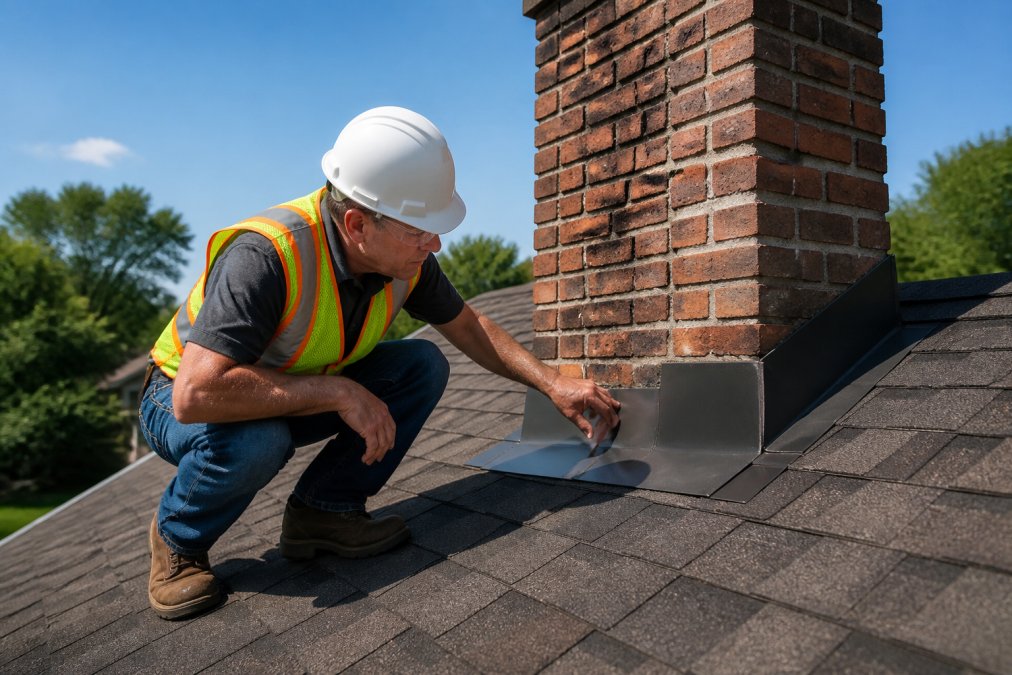
The roof is evaluated from the exterior when safely accessible, and from the attic interior. Inspectors examine roof shingles for granule loss, curling, cracking, and missing sections. They check flashing at all penetrations: chimneys, skylights, vents, and valleys. Failed or improperly installed flashing is one of the most common sources of water intrusion in residential properties.
Attic ventilation matters more than most buyers realize. Inadequate ventilation traps heat and moisture, accelerating shingle deterioration from the inside out and creating conditions favorable to mold growth on roof sheathing.
Ask your inspector to walk you through the attic findings specifically. Attic ventilation deficiencies and early-stage roof sheathing mold are frequently underestimated by buyers reviewing reports on their own, yet both carry significant remediation costs.
Major Systems: Electrical, Plumbing, and HVAC
The major mechanical systems of a home represent both its biggest operating costs and its most significant safety risks. This is where a thorough home inspector check pays for itself.
Electrical Panel and GFCI Outlets
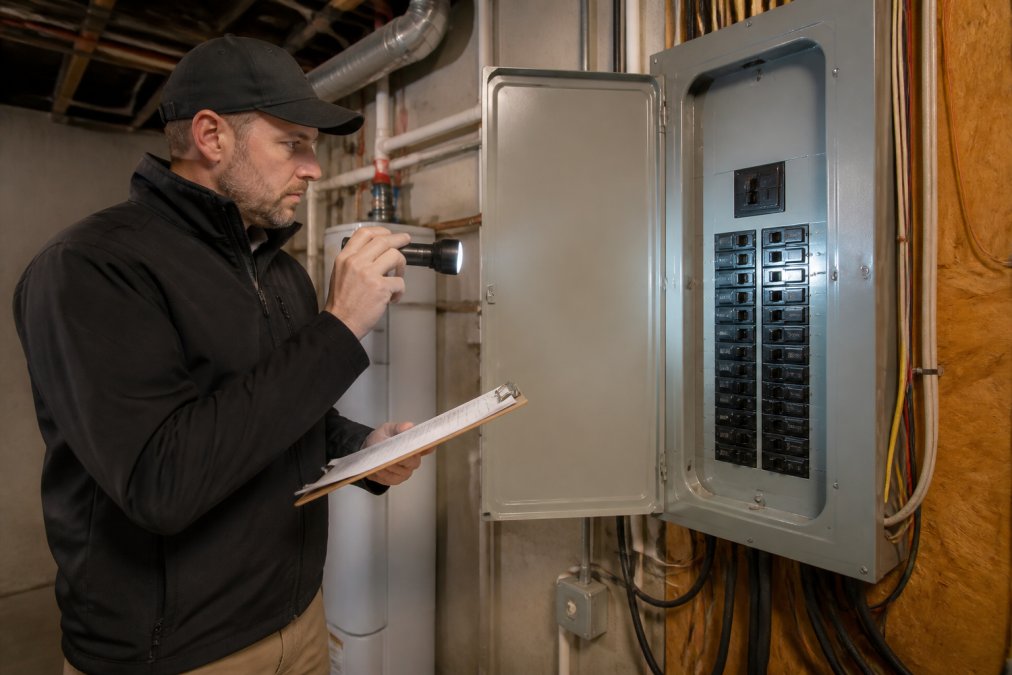
The electrical panel is the first stop. Inspectors look for the panel’s amperage rating, the condition and labeling of breakers, evidence of double-tapping, aluminum branch wiring, and any signs of heat damage or moisture intrusion. Older panels from specific manufacturers have documented failure histories and may represent insurance liabilities as well as safety hazards.
GFCI outlets are required by building code in wet areas: kitchens, bathrooms, garages, exterior outlets, and areas near water sources. Inspectors test every GFCI outlet for proper function. Missing or non-functional GFCI protection is one of the most frequently cited findings in residential inspections, and one of the most straightforward to correct. Inspectors also note exposed wiring, improper junction boxes, and any evidence of unpermitted electrical work.
Plumbing, Water Heater, and Drainage
Plumbing inspections cover supply lines, drainage, and all accessible fixtures. Inspectors run water at every fixture, check for leaks under sinks and at supply connections, and test drainage speed. Slow drains can indicate partial blockages or venting problems in the sewage system.
The water heater gets specific attention: age, capacity, condition of the pressure relief valve, proper venting, and signs of corrosion or sediment buildup. Many water heaters in homes that have been on the market for some time are operating well past their expected service life. This is a negotiating point worth noting.
A standard home inspection does not include a sewer scope. Older homes with clay or cast iron drain lines can have significant root intrusion or collapse that shows no symptoms at the time of inspection. If the home is more than 30 years old, a separate sewer scope is worth the additional cost before closing.
HVAC Efficiency and Ductwork
The heating and cooling systems are operated during the inspection. Inspectors check that the furnace and air conditioning unit respond to thermostat commands, that temperature differential across supply and return registers is within normal range, and that the systems show no visible signs of damage, rust, or improper installation. The age and expected remaining service life of both units are documented, directly informing repair and replacement cost estimates for negotiation purposes.
Home Inspection Red Flags Buyers Should Know
Some findings are minor. Others should stop a transaction in its tracks until they’re fully understood. Knowing the difference is what separates an informed buyer from one who closes with surprises.
The most serious home inspection red flags fall into three categories: structural compromise, safety hazards, and evidence of concealed or undisclosed problems.
Structural red flags:
- Active foundation movement with horizontal cracking or displacement
- Sagging or deflected roof framing visible from the attic
- Evidence of fire damage in framing or structural members
- Walls that have been removed without proper structural compensation
Safety hazards:
- Electrical panels with known failure histories
- Absence of GFCI protection in wet areas
- Non-functioning smoke or carbon monoxide detectors
- Gas supply lines with signs of corrosion or improper connections
Concealment red flags:
- Fresh paint in isolated areas of a basement or crawlspace
- New drywall patches that don’t match surrounding finishes
- Flooring that has been replaced in a small area inconsistent with the rest of the home
- Caulking applied over gaps in flashing or foundation cracks rather than properly repaired
A long inspection report is not necessarily a bad sign. Thorough inspectors document everything. What matters is the severity distribution, not the item count.
Schedule an Inspection or Request a Proposal →
How Long Does a Home Inspection Take?
A home inspection typically takes two to four hours for an average single-family home, with larger or older properties taking longer. Buyers should plan to attend the inspection for at least the final walkthrough. The written report captures findings, but the inspector’s verbal explanation of what they found, why it matters, and what the likely remediation involves is information that doesn’t always translate fully to paper.
What a Home Inspector Does Not Check, and When to Go Further
A standard home inspection is intentionally scoped to what is visible, accessible, and testable without specialized equipment or destructive investigation. Inspectors do not move furniture, open walls, dig up landscaping, or access areas that are blocked or locked. They do not test for environmental hazards as part of a standard inspection.
Specialized Inspections: Radon, Asbestos, Lead Paint, and Pests
Radon testing measures the concentration of radon gas, a naturally occurring radioactive gas that is the second leading cause of lung cancer in the United States. A standard inspection does not test for radon. A separate radon test, typically a 48-hour continuous monitor, is recommended for any property where the buyer plans to spend significant time in lower levels.
Asbestos may be present in insulation, floor tiles, ceiling tiles, and other materials in homes built before 1980. Visual inspection cannot confirm or rule out asbestos. If disturbed or deteriorating materials are identified that could contain asbestos, a certified abatement professional should collect samples for laboratory analysis.
Lead paint is a concern in homes built before 1978. As documented by the HUD guidelines on lead paint disclosure, sellers of pre-1978 homes are required to disclose known lead paint hazards, but a standard inspection does not include lead testing.
Pest infestation, specifically wood-destroying organisms including termites, carpenter ants, and wood-boring beetles, requires a separate WDO inspection performed by a licensed pest control operator.
The standard home inspection is the starting point, not the finish line. For older homes, properties with known environmental concerns, or any home where the buyer has specific health or structural concerns, specialized inspections are a logical next step.
Questions to Ask a Home Inspector Before and After
Before the inspection, the right questions establish scope and set expectations. After, they help you prioritize the findings.
Before the inspection:
- What is included in your standard inspection scope, and what is excluded?
- Are you a licensed home inspector in Tennessee, and do you hold any additional certifications?
- Do you carry errors and omissions insurance?
- Will I be able to attend the inspection?
- Does your inspection include thermal imaging or any other advanced diagnostic tools?
After the inspection:
- Which findings represent immediate safety hazards versus deferred maintenance?
- Which items are likely to require the largest repair or replacement expenditures?
- Are there any findings that suggest I should order a specialized inspection before closing?
- What would you prioritize if this were your home?
The last question is the most underused. An experienced inspector who has seen thousands of properties has a calibrated sense of what matters.
How to Use the Inspection Report to Negotiate Repairs
The inspection report is not just documentation. It’s a negotiating instrument, and most buyers underuse it.
The first step is triage. Separate findings into three categories: safety hazards, major systems and structural defects, and cosmetic or minor maintenance items. Your negotiating energy belongs on the first two categories.
Safety hazards are non-negotiable. Electrical deficiencies, gas line issues, and missing GFCI protection should be corrected before closing or credited to the buyer at a cost that reflects licensed contractor pricing.
Major system deficiencies are where real money changes hands. An HVAC unit that is 18 years old and showing signs of inefficiency, a water heater past its service life, or a roof with documented shingle damage all have quantifiable replacement costs. Obtain contractor estimates and request a credit at closing rather than asking the seller to perform the work. A closing credit lets the buyer control the quality of the remediation.
For structural findings, the approach depends on severity. Active foundation movement warrants a structural engineer’s assessment before proceeding. As noted by the National Association of Realtors’ guidance on inspection negotiations, buyers who request credits rather than repairs tend to achieve more satisfactory outcomes because they retain control over how the work is performed and by whom.
Home inspections surface the information that protects buyers, sellers, and investors from costly surprises. Full Disclosure Property Inspection, led by Certified Master Inspector Melanie Crabtree, brings over 5,000 inspections of experience, a background in general contracting, and infra-red thermal imaging to every inspection, delivering detailed computer-generated reports that make the findings clear and actionable. Schedule an inspection or request a proposal to get the full picture before you close.
Frequently Asked Questions
What are the biggest red flags in a home inspection?
The most serious red flags include evidence of foundation settlement or cracking, active moisture intrusion or mold growth, an outdated or overloaded electrical panel, signs of sewage system failure, and significant roof damage. Any finding that affects structural integrity or creates immediate safety hazards, such as carbon monoxide risks or fire damage, should be addressed before closing. A detailed inspection report will categorize findings by severity so you know which issues demand immediate action versus routine home maintenance.
What do home inspectors not check?
A standard home inspection is a visual examination of reasonably discoverable conditions. Inspectors do not test for radon, asbestos, lead paint, or pest infestation, those require specialized inspections. They also do not inspect inside walls, under concrete slabs, or buried sewage lines. Swimming pools, septic systems, and outbuildings are often excluded unless specifically added to the scope. If your property has any of these features, ask about add-on services or separate specialized inspections before the real estate transaction closes.
How long does a professional home inspection take?
Most single-family home inspections take two to four hours. The actual time depends on the home’s size, age, and condition. Larger homes, older construction, or properties with multiple HVAC systems, a crawl space, and a detached garage will run longer. Newer construction inspections can sometimes be completed faster, though they still require a thorough review of all major systems. Plan to be present for the full duration, walking through findings with your inspector in real time is far more valuable than reading the report alone.
Do I need to be present during the home inspection?
Attendance is not required, but it is strongly recommended. Being on site lets you see conditions firsthand, ask questions as issues are discovered, and understand the difference between a minor maintenance item and a true safety hazard. Buyers who attend their inspections consistently report feeling more confident about their purchase decision. Your inspector can point out things that photographs alone do not capture, such as the smell of moisture intrusion or the sound of an HVAC system struggling to cycle properly.
What do home inspectors look for the most?
Home inspectors prioritize safety hazards and major system failures above all else. That means the electrical panel, GFCI outlets, plumbing leaks, HVAC efficiency, roof condition, and signs of foundation settlement get the most scrutiny. Moisture intrusion and mold growth are also high-priority concerns because they can affect both structural components and indoor air quality. After safety and major systems, inspectors assess the condition of windows, doors, insulation, and exterior drainage, all of which affect long-term property condition and home maintenance costs.
Can I waive the home inspection to make my offer more competitive?
Waiving a home inspection removes your primary layer of due diligence in a real estate transaction. Even in competitive markets, the financial risk of discovering a major defect after closing, foundation issues, hidden plumbing leaks, or a failing HVAC system, almost always outweighs any perceived offer advantage. Some buyers opt for a pre-offer inspection to remain competitive without waiving protection entirely. Speak with your inspector about scheduling options that fit a fast-moving transaction.
This article was written using GrandRanker


