Table of Contents
- What Is a Comprehensive Inspection Report
- What Does a Home Inspector Check During the Assessment
- How Long Does a Home Inspection Take and When You’ll Get Your Report
- Understanding Your Home Inspection Report Sample
- Key Questions to Ask a Home Inspector
- How to Prepare for Your Comprehensive Inspection
- Using Your Inspection Report to Negotiate and Plan Next Steps
- Frequently Asked Questions
Last Updated: September 26, 2026
What Is a Comprehensive Inspection Report
A comprehensive inspection report is a detailed document created by a certified home inspector that evaluates a property’s structural components, mechanical systems, and safety. It serves as an independent, authoritative evaluation that helps buyers, sellers, and investors make informed financial decisions.
Full Disclosure Property Inspection creates computer-generated comprehensive inspection reports that highlight critical structural and mechanical insights affecting your investment, identifying what’s working, what needs attention, and what might become expensive problems.
A comprehensive inspection report mitigates risk by providing information to negotiate confidently, plan repairs, or walk away if needed. It can save thousands of dollars by uncovering issues before you’re legally obligated to own them.
Request a comprehensive inspection report early in your transaction timeline. Don’t wait until you’ve already made an emotional commitment to the property, the inspection should inform your decision, not confirm it.
What Does a Home Inspector Check During the Assessment
A home inspector evaluates the roof, foundation, framing, electrical systems, plumbing, HVAC equipment, insulation, windows, doors, and interior finishes, documenting each system’s condition and deficiencies.
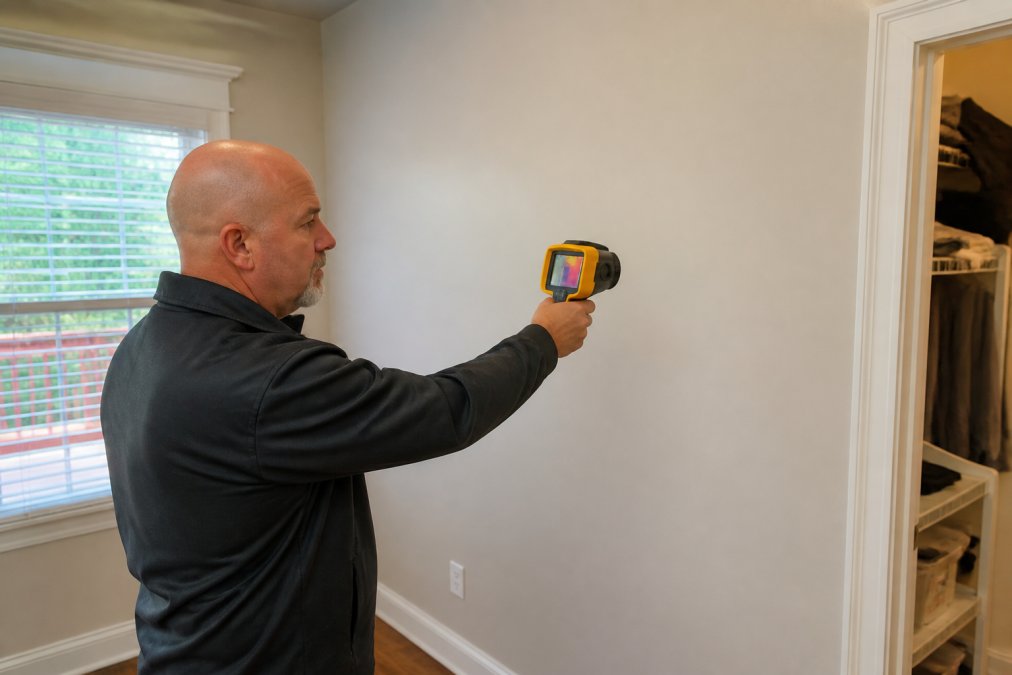
The structural evaluation checks for foundation cracks, water intrusion, rot, pest damage, and framing integrity. Mechanical systems are tested for functionality, and safety concerns like missing handrails, improper ventilation, or asbestos-containing materials are flagged immediately.
Infrared thermal imaging detects temperature variations indicating poor insulation, moisture intrusion, or electrical hotspots. Full Disclosure Property Inspection includes thermal imaging with every fee-paid inspection, revealing issues standard inspections overlook.
A quality comprehensive inspection report documents each finding with photographic evidence and explains what was observed, why it matters, and what corrective action might be needed.
How Long Does a Home Inspection Take and When You’ll Get Your Report
A typical comprehensive inspection takes two to three hours, depending on the property’s size, age, and condition. The inspector needs sufficient access to attics, crawlspaces, and mechanical areas.
You’ll receive your comprehensive inspection report within 24 to 48 hours. Full Disclosure Property Inspection delivers computer-generated reports that are detailed, professional, and easy to navigate.
In competitive markets, having your comprehensive inspection report early gives you data to support your offer or negotiate repairs. If you’re a seller, an early inspection lets you address major issues proactively.
Schedule your comprehensive inspection as soon as you have a ratified contract or are seriously considering a property. The sooner you have the report, the sooner you can make informed decisions about your investment.
Understanding Your Home Inspection Report Sample
A comprehensive inspection report follows a standardized structure designed to be both thorough and navigable. Understanding the typical sections and how information is organized helps you know what to expect and where to find critical details.
Standard Report Sections
Most comprehensive inspection reports are organized into the following core sections:
Executive Summary or Overview, Distills critical findings, safety concerns, and major systems requiring attention, flagging items needing immediate professional evaluation or posing safety risks.
Property Identification and Inspection Details, Documents inspection date, time, weather, property address, type, age, and square footage. Notes areas the inspector could not access, explaining the scope and limitations of the inspection.
Structural Components, Covers foundation, basement or crawlspace, framing, roof structure, and exterior walls. Documents cracks, water intrusion, settlement, pest damage, or deterioration, noting severity and whether specialist evaluation is recommended.
Roof and Attic, Documents roof condition, material, estimated lifespan, ventilation, insulation, and signs of leaks or damage. Notes whether replacement or repair is anticipated and assesses attic access, ventilation, and moisture.
Exterior, Evaluates siding, windows, doors, decks, patios, grading, drainage, and landscaping for proper function, normal wear, or repair needs.
Plumbing, Assesses water supply, main shut-off, piping material, water pressure, and drainage. Tests fixtures for proper operation and notes leaks, corrosion, or code violations. Documents water heater type, age, and condition.
Electrical, Evaluates service panel location, amperage, grounding, and safety features. Tests outlets, notes missing GFCIs, and documents code violations or safety concerns.
Heating and Cooling, Documents HVAC equipment type, age, fuel source, and operational status. Notes maintenance needs, wear, or anticipated replacement timelines.
Interior Finishes, Evaluates walls, ceilings, floors, doors, and fixtures, noting cosmetic wear separately from functional deficiencies.
Schedule an Inspection or Request a Proposal →
Safety and Code Compliance, Items that pose immediate safety risks or violate building codes are flagged separately. This might include missing handrails, improper ventilation, asbestos-containing materials, or electrical hazards.
How Findings Are Rated and Categorized
Comprehensive inspection reports use a rating or condition scale to categorize each finding. While specific terminology varies by inspector and software platform, most reports use categories similar to these:
Satisfactory or Good Condition, The component or system is functioning as intended and shows normal wear for its age. No action is required.
Minor Repair Needed or Deferred Maintenance, The component functions but shows wear, minor damage, or maintenance needs. Repair or replacement is not urgent but should be planned. Examples include caulking around windows, repainting, or minor drywall patching.
Repair Needed or Deficient, The component is not functioning properly, shows significant damage, or poses a functional problem. Professional repair or replacement is recommended before or shortly after purchase. Examples include a non-functioning toilet, a roof leak, or corroded plumbing.
Professional Evaluation Recommended, The inspector observed something requiring specialist assessment. This doesn’t indicate a major problem; it means a licensed contractor should evaluate the issue.
Safety Concern or Immediate Attention Required, The finding poses an immediate risk to occupants and should be addressed before closing or occupancy. Examples include exposed electrical wiring, missing handrails on stairs, or evidence of active pest infestation.
Reading Photos and Detailed Notes
Each finding is accompanied by photographic evidence and written explanation showing what was observed, why it matters, and what corrective action might be appropriate.
For example, a finding might include a photo of a water stain on a ceiling, with a note explaining: “Water stain observed on master bedroom ceiling. Stain appears old and dry. Recommend roofing contractor evaluate roof in this area to determine if leak has been resolved or if active leak exists. If active leak is present, roof repair or replacement may be needed.”
This level of detail is what separates a useful report from one that leaves you guessing about priorities and next steps.
Using the Report Format to Identify Priorities
The structure and rating system allow you to quickly scan the report and identify which items require immediate attention versus those that can be addressed later. Safety concerns and items rated “Repair Needed” take priority over “Deferred Maintenance” items. Items marked “Professional Evaluation Recommended” require follow-up but don’t necessarily indicate a major problem.
A well-organized comprehensive inspection report lets you extract the information you need without reading every word. The executive summary gives you the big picture, the section-by-section findings let you drill into specific systems, and the photo documentation gives you concrete evidence to share with contractors or real estate agents.
Key Questions to Ask a Home Inspector
Before your comprehensive inspection appointment, prepare questions specific to your property and concerns. Asking the right questions helps you get maximum value from the inspection and ensures the inspector understands what matters most to you.
Ask about the inspector’s experience with properties of your home’s age and style. A certified inspector with experience in older homes brings different expertise than one who primarily inspects new construction. Ask whether they use thermal imaging and other diagnostic tools, advanced technology often reveals issues that standard walkthroughs miss.
Inquire about the inspector’s Code of Ethics and whether they have relationships with contractors or real estate agents. An independent inspector protected by a strict Code of Ethics provides an unbiased assessment.
How to Prepare for Your Comprehensive Inspection
Preparing your property for inspection takes minimal effort but ensures the inspector can access all necessary areas. Clear attic access, ensure crawlspace entry is unobstructed, and make sure the electrical panel is accessible. Remove clutter from under sinks and around mechanical equipment so the inspector can safely examine these areas.
Waiving your comprehensive inspection to make a stronger offer is a high-risk strategy that often costs more than the perceived advantage. Buyers who skip inspections frequently discover major issues after closing, when repairs become their financial responsibility. The inspection is your primary protection against unknown property defects.
Using Your Inspection Report to Negotiate and Plan Next Steps
Your comprehensive inspection report is a negotiation tool. If the report identifies significant deficiencies, you can request that the seller repair them before closing or provide a credit toward repairs. The detailed findings give you concrete data to support your requests rather than vague concerns.
Frequently Asked Questions
What is the purpose of a comprehensive inspection report?
A comprehensive inspection report provides a detailed assessment of a property’s structural, mechanical, and operational systems. It documents the condition of major components like the roof, foundation, HVAC, plumbing, and electrical systems. The report serves as evidence-based evaluation that protects buyers, sellers, and investors by identifying issues that may require corrective action plans and informing price negotiations.
What should I look for when reviewing my comprehensive inspection report?
Look for items flagged as safety concerns or requiring immediate attention. Review the inspection criteria and findings for major systems: roof, foundation, HVAC, plumbing, and electrical. Pay attention to the inspection methodology used, including whether thermal imaging or other advanced tools were employed. Check the inspection date and ensure all areas of the property were assessed. Review supporting photos or evidence.
How can a comprehensive inspection report help with price negotiations?
Your inspection report provides data-driven insights. When issues are documented with supporting evidence, you have concrete grounds to request price reductions, seller repairs, or credits at closing. The report’s credibility depends on the inspector’s qualifications and methodology. Sellers also benefit by addressing findings proactively before listing, which demonstrates transparency and can support their asking price.
Is a comprehensive inspection necessary for new construction homes?
Yes. Even new construction homes benefit from independent quality assurance inspections. Builders follow regulatory standards, but a comprehensive inspection by a certified professional provides an unbiased assessment of construction quality, identifies defects before the warranty period ends, and documents the property’s condition at purchase. This is especially important given the competitive market conditions many buyers face and the long-term investment nature of home ownership.


