Last Updated: October 29, 2026
Quick Summary
The most common defects found in new construction homes are poor workmanship and improper installation, followed by electrical and plumbing problems. Most trace back to rushed schedules and rotating crews rather than bad materials, and many pass a municipal code inspection because code sets a minimum bar, not a quality guarantee.
- Foundation cracks wider than a hairline should be evaluated by a structural engineer, not a contractor.
- A plug-in circuit tester quickly checks receptacles for open grounds and reversed polarity.
- Pre-drywall inspection is the most valuable stage because framing and rough-in problems get sealed away.
- New-construction warranties typically split into a 1-year workmanship, 2-year systems, and 10-year structural layer.
- A thorough new construction inspection usually takes two to four hours depending on home size.
Table of Contents
- Why New Construction Homes Still Have Defects
- 1. Foundation Cracks and Uneven Settlement
- 2. Roof Installation and Water Intrusion Problems
- 3. Plumbing Defects and Hidden Leaks
- 4. Electrical Problems: Bad Wiring and Improperly Wired Outlets
- 5. Grading, Drainage, and Moisture Intrusion
- Frequently Asked Questions
Why New Construction Homes Still Have Defects
A newly built house feels flawless on move-in day. But common defects found in new construction homes show up in every price bracket, and many stay hidden for months.
Construction is a sequence of human decisions made under deadline pressure. Crews rotate. Subs rush. Materials arrive damaged.
The U.S. Department of Housing and Urban Development tracks construction quality complaints through its dispute programs, and the pattern is consistent: most defects trace back to workmanship and installation, not materials alone.
Below, we break down seven common defect types, with warning signs and next steps.
1. Foundation Cracks and Uneven Settlement
Foundation cracks are a common structural concern in new builds. Hairline cracks in concrete are normal as it cures. The trouble starts when cracks widen, run diagonally, or appear alongside uneven floors.
Watch for these signs:
- Stair-step cracks in brick or block walls
- Doors and windows that stick in one season and not another
- Sloping floors near exterior walls
What to do: Document every crack with photos and a ruler for scale. A structural engineer, not a contractor, should evaluate anything wider than a hairline. For more, read 7 Foundation Problems Home Inspectors Identify First.
2. Roof Installation and Water Intrusion Problems
Roof leaks in new homes usually come from installation errors, not worn shingles. Missing underlayment, improperly lapped flashing, and poorly sealed valleys all let water in.
Common failure points:
Schedule an Inspection or Request a Proposal →
- Flashing around chimneys and skylights
- Nail pops that pierce the shingle surface
- Ice dam protection missing along eaves
What to do: Ask for the roofing manufacturer’s installation specs and compare them to what’s on the roof. Infrared scanning can reveal moisture that eyes miss; learn more in How to Find Hidden Roof Leaks With Infrared?.
3. Plumbing Defects and Hidden Leaks
Plumbing defects can be costly to fix after closing, because the damage hides inside walls. Slow drips rot framing and feed mold long before anyone notices.
Look for:
- Musty odor under sinks or near water heaters
- Water stains on drywall ceilings below bathrooms
- Loose or wobbly toilets
What to do: Run every faucet, flush every toilet, and check under cabinets during the walkthrough. A pressure test on the supply lines catches pinhole leaks early. 5 Ways to Find Hidden Plumbing Issues in New Builds covers the methods inspectors rely on.
4. Electrical Problems: Bad Wiring and Improperly Wired Outlets
Electrical defects are a significant safety risk in new construction. Bad wiring causes shocks and fires, and many problems pass a basic inspection.
The most frequent issues:
- Open ground: an outlet with no path to ground
- Reversed polarity: hot and neutral wires swapped
- Improperly wired outlets at the end of a circuit run
What to do: A plug-in circuit tester can check receptacles for reversed polarity and open grounds quickly. For a full list of hazards, see Common Electrical Hazards Found in Home Inspections.
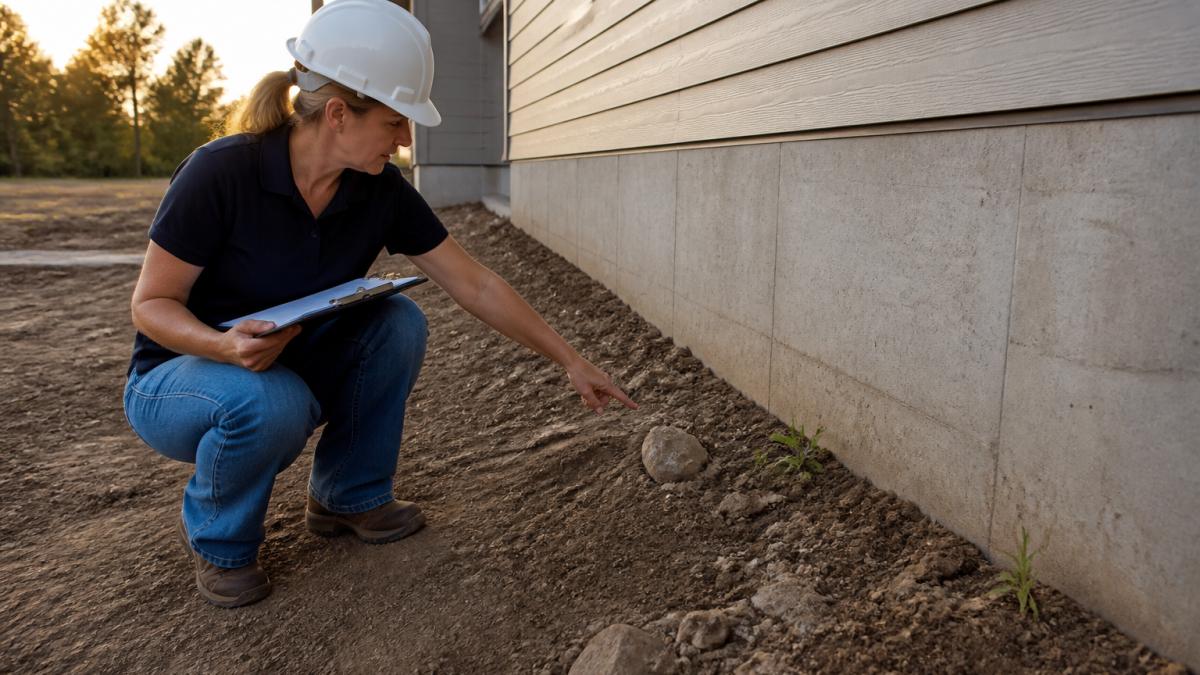
5. Grading, Drainage, and Moisture Intrusion
(/independent-inspections-new-builds-independent-inspections-new-construction-homes/) today.
Frequently Asked Questions
What are the most common defects found in new construction homes?
The most frequent new construction defects include foundation cracks and uneven settlement, roof installation errors that let water in, plumbing leaks, bad wiring and improperly wired outlets, poor grading and drainage, and general poor workmanship. Many are hidden behind finished walls, which is why an independent inspection matters. A Certified Master Inspector using thermal imaging can spot moisture and electrical issues that look fine on the surface.
Should you get a home inspection on a newly built house?
Yes. A new home is not a defect-free home. Builders subcontract most of the work, and municipal code inspections only confirm minimum compliance, not quality. An independent new construction home inspection before closing gives you a documented list of defects to hand back to the builder while your leverage is highest. It also protects you after move-in, when warranty claims depend on written evidence.
What should you check during a new-construction walkthrough?
Bring a notebook and test everything: open and close every window and door, run all faucets and flush toilets, check outlets with a tester, look for uneven floors and cracked tile, and inspect the attic and crawlspace for moisture or musty odor. Photograph any damage. This walkthrough feeds your new home punch list examples, which should be written, dated, and submitted to the builder in writing so the repair request is on record.
What happens if defects are found during a new-home inspection?
You document each defect with photos and a written description, then submit it to the builder as a punch list before closing. Serious structural, electrical, or plumbing defects should be repaired and re-inspected before you sign. Minor cosmetic items can be negotiated as credits or scheduled warranty repairs. Keep every document, because new construction warranty coverage and deadlines vary by builder and contract.


