Last Updated: October 24, 2026
Quick Summary
Questions to ask before buying a home uncover hidden problems, clarify property history, and reveal unexpected costs that protect your investment. Ask sellers about major repairs, water damage, and why they’re selling; ask inspectors about significant issues and repair costs; and ask about property taxes, insurance, HOA fees, and utilities to understand the true cost of ownership.
- Most home inspections take 2-4 hours depending on home size and age, with thermal imaging adding 30-45 minutes.
- Ask your inspector for specific repair cost estimates, not vague descriptions like roof needs work.
- Property taxes, homeowners insurance, HOA fees, and utilities vary widely and should be researched before making an offer.
- Water damage, foundation cracks, code violations, and environmental concerns like radon or lead paint require immediate investigation.
- Review 12 months of utility bills to understand heating, cooling, and water costs before purchasing.
Table of Contents
- Questions to Ask Before Buying a Home: Why They Matter
- Questions to Ask Before Making an Offer on a House
- Questions to Ask During a Home Inspection
- Home Inspection Checklist for Buyers
- Home Inspection Duration and What to Expect
- Questions About Property Condition and Repairs
- Questions About Finances and Hidden Costs
- Schedule Your Inspection Before Closing
- Frequently Asked Questions
Questions to Ask Before Buying a Home: Why They Matter
Buying a home is likely the largest financial decision you’ll make. Yet many buyers skip the most important step: asking the right questions before signing the paperwork. At Full Disclosure Property Inspection, we’ve guided many buyers through this process, and the ones who ask detailed questions upfront save themselves thousands in unexpected repairs and regrets.
The difference between a confident purchase and a costly mistake often comes down to preparation. Asking the right questions to sellers, real estate agents, and inspectors protects your investment. It uncovers hidden problems, clarifies property history, and reveals costs you hadn’t anticipated. Without these conversations, you’re buying blind.
This guide covers the critical questions to ask before buying a home, organized by category so you can use it during showings, negotiations, and inspections. Each question serves a specific purpose: to reduce your risk and give you the information you need to make a decision you won’t regret.
Questions to Ask Before Making an Offer on a House
Before you commit to an offer, you need to understand the property’s history and current condition. These questions uncover issues that might affect your decision or your negotiating position.
How long has the current owner lived here, and why are they selling? This reveals motivation and gives context for any issues. A seller rushing to leave might be hiding something.
What major repairs or replacements have been done, and when? Ask for documentation of roof work, HVAC replacement, plumbing repairs, or electrical upgrades. Recent work is a positive sign. If nothing has been done in 20 years, expect problems.
Has this property ever had water damage, flooding, or moisture issues? Water damage is expensive and can hide mold, structural rot, and foundation problems.
What is the property’s flood zone status? Check with local authorities or the Federal Emergency Management Agency’s flood map database to understand your flood risk. This affects insurance costs and may require elevation or protection measures.
Are there any ongoing disputes with neighbors, HOA issues, or code violations? These create legal and financial headaches. A neighbor dispute over property lines or a pending HOA fine can derail your purchase or cost thousands to resolve.
What utilities are available, and what are typical monthly costs? Ask for copies of recent utility bills. High heating or cooling costs signal poor insulation or inefficient systems. Missing utilities (no gas, for example) limit your options for appliances and heating.
You can also research property values independently. Check comparable sales in your area to ensure you’re paying a fair price and to understand what similar homes have sold for recently.
Questions to Ask During a Home Inspection
Your home inspector is your advocate. They work for you, not the seller. Ask them detailed questions during the inspection, don’t wait for the report.
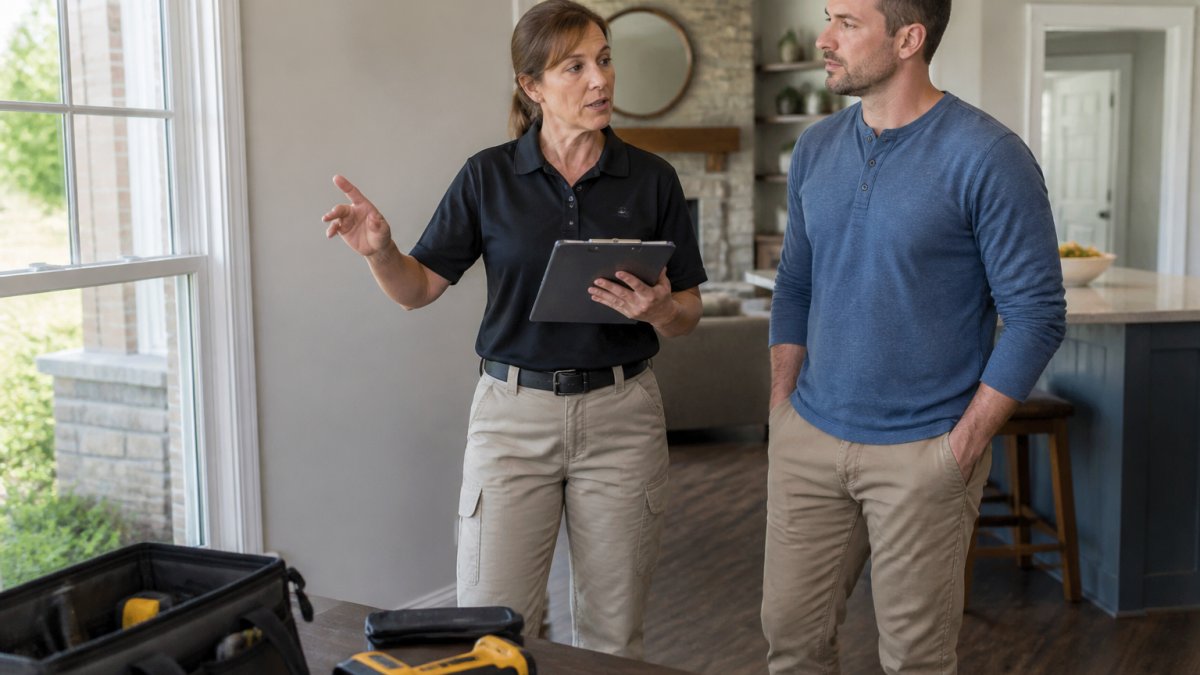
What are the most significant issues you’ve found, and what do they cost to repair? Get specific numbers or ranges. “The roof needs work” is vague.
Are there any safety concerns I should know about immediately? Electrical hazards, gas leaks, mold, or structural problems need urgent attention. Your inspector should flag these clearly.
What systems are at the end of their lifespan? HVAC units, water heaters, and appliances have typical lifespans. Knowing which are near replacement helps you budget for upcoming costs.
Are there signs of past water damage or active moisture problems? This is critical. Water intrusion causes cascading problems, mold, rot, foundation issues.
What maintenance has been deferred? Caulking, sealing, painting, and gutter cleaning are preventive. Neglected maintenance often signals deeper problems or an owner who didn’t maintain systems either.
How old are the major systems, and what’s their expected remaining life? Roof, foundation, plumbing, electrical, HVAC, water heater. Knowing their age and condition helps you plan replacements.
Are there any code violations or unpermitted work? Additions, electrical work, or plumbing done without permits can create liability and complicate future sales. Your inspector should identify these.
Full Disclosure Property Inspection includes thermal imaging at no extra cost, which identifies moisture, air leaks, and electrical hot spots invisible to the naked eye.
Review our full list of must-ask questions to prepare for your inspection conversation.
Home Inspection Checklist for Buyers
Use this checklist during your inspection to ensure nothing is missed. Walk through each area with your inspector and verify these items.
Review the detailed home inspection checklist to track every component and system during your walkthrough.
Exterior:
- Roof condition, flashing, gutters, and downspouts
- Foundation for cracks, settling, or water stains
- Siding, trim, and caulking for damage
- Windows and doors for operation and sealing
- Grading and drainage around the foundation
- Deck or patio condition and safety
Interior:
- Walls, ceilings, and floors for water stains, cracks, or settling
- Electrical outlets, switches, and panel condition
- Plumbing fixtures, leaks, and water pressure
- HVAC system age and operation
- Water heater type, age, and condition
- Insulation in attic and crawl spaces
- Basement or crawl space for moisture or mold
Systems:
- Electrical panel safety and capacity
- Plumbing for corrosion, leaks, or outdated materials
- Gas lines and connections (if applicable)
- Ventilation and air quality
- Appliances included in the sale
A checklist keeps you organized and ensures your inspector covers everything. Your inspector should provide a detailed report highlighting critical items that need attention.
Schedule an Inspection or Request a Proposal →
Home Inspection Duration and What to Expect
A thorough home inspection takes time. Understanding the timeline helps you plan your day and know what to expect.
Most inspections take 2-4 hours, depending on the home’s size and age. Larger homes or older properties with more systems to evaluate take longer. A 3,000-square-foot home built in the 1980s typically takes 3-3.5 hours. A 1,500-square-foot newer home might take 2-2.5 hours.
Your inspector will walk through every area, attic, basement, crawl spaces, roof exterior, and all living areas. They’ll test systems, check for safety hazards, and document findings with photos and notes. You should attend the inspection and walk with your inspector, asking questions as they work.
Thermal imaging adds 30-45 minutes. This is especially valuable in older homes or those with a history of water issues.
After the inspection, you’ll receive a detailed report within 24-48 hours. This report becomes your roadmap for negotiations and future repairs.
Questions About Property Condition and Repairs
Once you have the inspection report, ask follow-up questions about specific findings.
Which repairs are critical, and which can wait? Your inspector should help you prioritize. A failing electrical panel is urgent. Cosmetic caulking can wait.
Can I get contractor estimates for major repairs? Use the inspection findings to get 2-3 quotes for significant work. This tells you the real cost of repairs and strengthens your negotiating position.
Are there any signs of pest infestation or previous pest damage? Termites, carpenter ants, and rodents cause structural damage. Ask if the property has been treated and whether there’s a warranty on pest control.
What’s the condition of the foundation? Small cracks are normal. Large cracks, horizontal cracks, or evidence of settling are serious. Your inspector should explain what they found and whether it requires professional evaluation.
Are there any environmental concerns? Radon, asbestos, lead paint (in homes built before 1978), or soil contamination. These require testing and remediation, which is expensive.
Learn how to estimate repair costs after your inspection so you can factor them into your offer and budget.
Questions About Finances and Hidden Costs
Buying a home involves more than the purchase price. These questions uncover the true cost of ownership.
What are the annual property taxes, and are they likely to increase? Property taxes vary widely by location. Ask the current owner or your real estate agent for the annual tax bill.
What are homeowners insurance costs in this area? Insurance varies by location, age of home, and claims history. Get a quote before you buy so you know the annual cost.
Are there HOA fees, and what do they cover? HOA fees can range from under $100 to over $500 monthly.
What utilities are included in the purchase, and what are typical monthly costs? Ask for 12 months of utility bills to understand heating, cooling, and water costs. High bills signal inefficient systems or poor insulation.
Are there any liens, easements, or restrictions on the property? These legal encumbrances can affect your use of the property. Your title company will uncover these, but asking upfront gives you time to investigate.
What’s the condition of the septic system or well water? If the property uses a septic system or private well, ask when it was last serviced and pumped. These systems are expensive to repair or replace.
Will any utilities or services change after I buy? Some properties lose access to municipal services if they change ownership. Confirm water, sewer, gas, and internet access won’t be interrupted.
Understanding these costs helps you budget for the true cost of homeownership and avoid surprises after closing.
Schedule Your Inspection Before Closing
Your inspection is your final safeguard. Schedule it as soon as your offer is accepted, and make sure it happens before your closing date. This gives you time to investigate findings, negotiate repairs, or walk away if problems are severe.
Schedule your home inspection with Full Disclosure Property Inspection to get a comprehensive assessment before you commit. Our detailed, computer-generated reports highlight critical issues so you understand exactly what you’re buying.
A thorough inspection protects your investment. The questions you ask and the answers you get determine whether you buy with confidence or regret.
| Category | Key Questions | Why It Matters |
|---|---|---|
| Property History | Why is owner selling? Major repairs done? | Reveals motivation and deferred maintenance |
| Condition & Safety | Water damage? Code violations? | Uncovers hidden costs and hazards |
| Systems & Lifespan | Age of roof, HVAC, water heater? | Helps budget for replacements |
| Finances | Property taxes? Insurance? HOA fees? | Reveals true cost of ownership |
| Environmental | Flood zone? Radon? Lead paint? | Identifies health and safety risks |
Frequently Asked Questions
Should I get a home inspection if I’m pre-approved and the market is competitive?
Yes. Pre-approval confirms your financing; an inspection protects your actual investment. A comprehensive inspection identifies structural, mechanical, and safety issues that pre-approval does not catch. Skipping an inspection to make a stronger offer can cost you tens of thousands in unexpected repairs after closing. A professional inspection gives you factual data to negotiate repairs or price adjustments before you’re committed.
What is included in a home inspection checklist for buyers?
A thorough home inspection checklist covers the roof, foundation, electrical systems, plumbing, HVAC, walls, windows, doors, and interior/exterior structures. It identifies safety hazards, code violations, and mechanical failures. Thermal imaging can detect hidden moisture, insulation gaps, and electrical issues invisible to the naked eye. Your inspector should provide a detailed, computer-generated report highlighting critical areas and prioritizing what needs immediate attention versus minor maintenance.
How long does a home inspection take?
Most home inspections take 2 to 4 hours, depending on the property’s age, size, and condition. Older homes or those with accessibility challenges may take longer. The inspector examines every major system and visible component. After the inspection, you typically receive a detailed report within 24 to 48 hours. Budget time to review the report carefully and ask follow-up questions before making your final decision.
What questions should I ask about property repairs and maintenance history?
Ask the seller about recent repairs, replacements (roof, water heater, HVAC), and maintenance records. Request documentation of permits for any work done. Ask about recurring issues like water intrusion, pest problems, or foundation concerns. Inquire about the age of major systems and when they were last serviced. These answers, combined with your inspection report, reveal the true condition and help you budget for upcoming maintenance or negotiate credits for needed work.
Buying a home without asking these questions is like signing a contract you haven’t read. The right questions give you clarity, reduce surprises, and protect your investment. Start with the inspection, it’s the foundation of a confident purchase decision.


