Table of Contents
- What Home Inspection Services Cover in the Chattanooga Area
- Types of Inspections Offered: Residential, Commercial, and New Construction
- Home Inspection Checklist for Buyers: What to Expect Before Closing
- How Long Does a Home Inspection Take?
- Questions to Ask a Home Inspector Before You Book
- Understanding Your Inspection Report and What It Means
- Why Full Disclosure Property Inspection Stands Apart
- Frequently Asked Questions
Last Updated: September 1, 2026
What Home Inspection Services Cover in the Chattanooga Area
Home inspection services are a systematic, visual evaluation of a property’s condition, covering structural components, mechanical systems, and safety hazards, documented in a detailed report a buyer or seller can act on. At Full Disclosure Property Inspection, we perform comprehensive property assessments across the greater Chattanooga area.
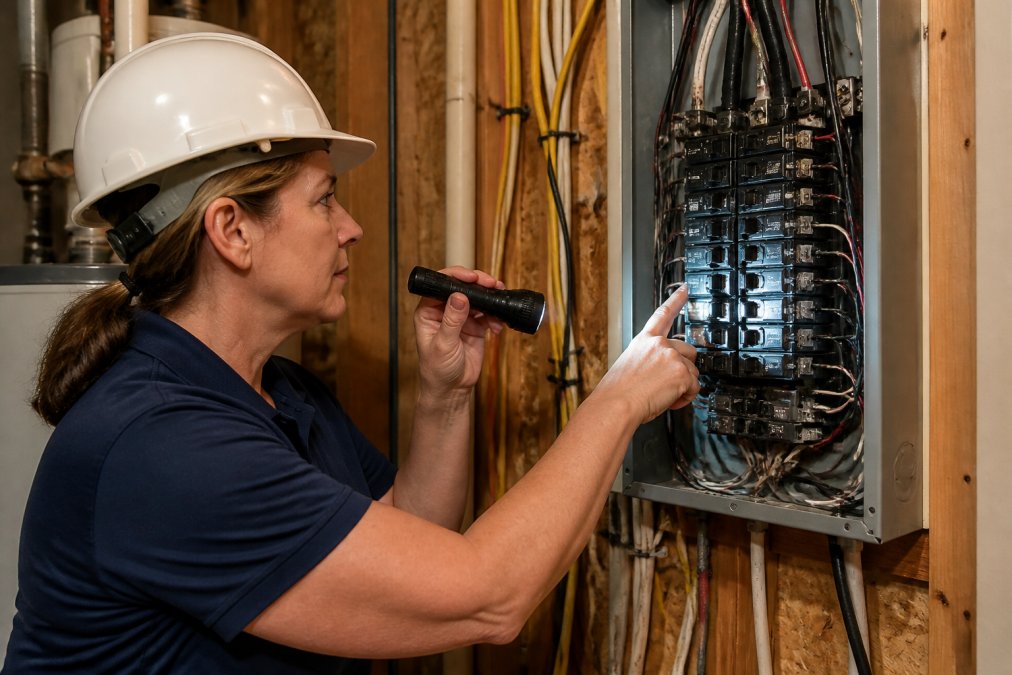
A thorough pre-purchase inspection covers:
- Structural components: Foundation, framing, load-bearing walls, floors, ceilings, and roof structure
- Roofing system: Shingles, flashing, gutters, downspouts, and chimney condition
- Exterior: Grading, drainage, driveways, walkways, siding, and windows
- Interior: Doors, windows, stairs, railings, and visible wall and ceiling surfaces
- Attic and insulation: Ventilation, insulation levels, and signs of moisture intrusion
- Crawlspace: Moisture levels, vapor barriers, wood rot, and pest evidence
- Appliance functionality: Built-in appliances tested for basic operation
Structural Components and Foundation Inspection
Foundation inspection is one of the most consequential parts of any property assessment. Cracks in the foundation, uneven floors, or bowing walls signal structural integrity issues that can cost tens of thousands of dollars to remediate. The Chattanooga area’s varied geological terrain and expansive clay common in Hamilton County place unusual stress on foundations over time. A qualified inspector documents every visible structural anomaly and flags deferred maintenance before it becomes a capital emergency.
Mechanical Systems: HVAC, Electrical, and Plumbing
HVAC system evaluation covers heating and cooling equipment, ductwork, filters, and thermostat function. Electrical panel safety checks include breaker labeling, double-tapping, grounding, and visible wiring condition. Plumbing system analysis covers supply lines, drain lines, water heater age and condition, and visible leak evidence. Each represents a significant replacement cost, and identifying deferred maintenance early is what home inspection services exist to do.
Advanced Tools: Infra-Red Thermal Imaging and Mold Detection
Infra-red thermal imaging detects temperature differentials behind walls and ceilings, revealing hidden moisture intrusion, insulation gaps, and electrical hot spots that standard inspection would miss. Mold detection and indoor air quality concerns often trace back to crawlspace moisture or roof leaks that only thermal imaging surfaces reliably. Full Disclosure Property Inspection includes infra-red thermal imaging at no additional charge with every fee-paid inspection, which is not standard practice across the industry.
Thermal imaging is most effective when there is a meaningful temperature difference between indoors and outdoors. Scheduling your inspection during early morning or late afternoon on a clear day maximizes the contrast the camera needs to detect hidden anomalies.
Types of Inspections Offered: Residential, Commercial, and New Construction
The biggest mistake buyers of new construction make is assuming a builder’s final walkthrough substitutes for an independent inspection. A new construction walkthrough performed by an independent certified inspector is a separate, unbiased evaluation of the finished home before you close, and it routinely surfaces issues that a builder’s own punch-list process misses.
Home inspection services in the Chattanooga area generally fall into three categories:
| Inspection Type | Best For | Key Focus Areas |
|---|---|---|
| Residential Pre-Purchase | Homebuyers before closing | Full structural and mechanical assessment |
| Pre-Listing (Seller) | Sellers before going to market | Identify issues before buyer’s inspector does |
| New Construction | Buyers of newly built homes | Code compliance, finish quality, systems |
| Commercial Property | Investors and business buyers | Structural, mechanical, and safety systems |
| Investment Property | Real estate investors | Deferred maintenance, capital cost projection |
Commercial inspections often require evaluation of larger mechanical systems, roofing assemblies, and building standards compliance. Real estate investors benefit from working with an inspector who understands construction costs and can contextualize findings in terms of capital exposure.
According to the American Society of Home Inspectors standards of practice, a standard residential inspection covers the readily accessible components of the home’s major systems. What separates a thorough inspection from a cursory one is the inspector’s depth of knowledge and the tools they bring.
Home Inspection Checklist for Buyers: What to Expect Before Closing
The home inspection checklist for buyers is a framework for how you should prepare and what you should do with the results. Many buyers treat the inspection as a formality, a mistake that costs real money.
First-Time Homebuyer Checklist
First-time homebuyers face a steeper learning curve because they have no baseline for what “normal” looks like in a home. Use this checklist before and after your inspection:
Before the inspection:
- Confirm the inspector’s certifications and license status with the Tennessee Department of Commerce and Insurance
- Ask whether thermal imaging is included or costs extra
- Request a sample inspection report to evaluate format and detail level
- Confirm the inspector carries Errors and Omissions insurance
- Schedule the inspection as early in your due diligence period as possible
During the inspection (attend if you can):
- Walk through with the inspector and ask questions in real time
- Pay attention to the inspector’s verbal commentary, not just the written report
- Note any areas the inspector flags as requiring further evaluation by a specialist
- Ask specifically about roof age and HVAC age, two of the largest deferred maintenance costs
After the inspection:
- Read the full report before your repair request deadline
- Distinguish between safety hazards, major defects, and cosmetic issues
- Use the report to negotiate repairs or a price reduction
- Keep the report after closing; it becomes a maintenance roadmap
Waiving a home inspection to strengthen an offer is one of the highest-risk decisions a buyer can make. A competitive market does not change the condition of the property. Structural issues, faulty electrical panels, and active roof leaks do not become less expensive because you skipped the inspection to win a bidding war.
How Long Does a Home Inspection Take?
A standard residential home inspection takes two to four hours, depending on the size, age, and condition of the property. Larger homes, older construction, and properties with multiple systems or outbuildings take longer.
General time breakdown by property type:
- Small condo or townhome (under 1,500 sq ft): 1.5 to 2 hours
- Average single-family home (1,500 to 2,500 sq ft): 2.5 to 3 hours
- Larger home (2,500 to 4,000 sq ft): 3 to 4 hours
- Commercial or investment property: 4 to 6+ hours depending on scope
Questions to Ask a Home Inspector Before You Book
Choosing the right inspector is as important as getting the inspection done. These questions separate qualified professionals from those who are simply licensed.
On qualifications:
- What certifications do you hold, and are you licensed in Tennessee?
- How many inspections have you personally performed?
- Do you have a background in construction, contracting, or appraisal?
On the inspection itself:
- Is thermal imaging included, or is it an add-on fee?
- Do you inspect crawlspaces fully, or only from the access point?
- Will you test radon gas as part of the inspection, or is that a separate service?
On the report:
- What format does your report take, and when will I receive it?
- Can I see a sample report before I book?
- How do you distinguish between safety hazards and maintenance recommendations?
On independence:
- Do you have any referral relationships with contractors or real estate agents?
- Are you covered by Errors and Omissions insurance?
According to the Tennessee Department of Commerce and Insurance home inspector licensing requirements, home inspectors in Tennessee must hold a valid state license. Verifying license status should be non-negotiable.
An inspector’s background in general contracting fundamentally changes what they can tell you. Someone who has built homes knows what deferred maintenance costs to fix, not just that it exists.
Understanding Your Inspection Report and What It Means
A home inspection report is a detailed, computer-generated document that categorizes findings by system and severity. The best reports distinguish clearly between safety hazards requiring immediate attention, major defects affecting value or habitability, and maintenance recommendations for future planning.
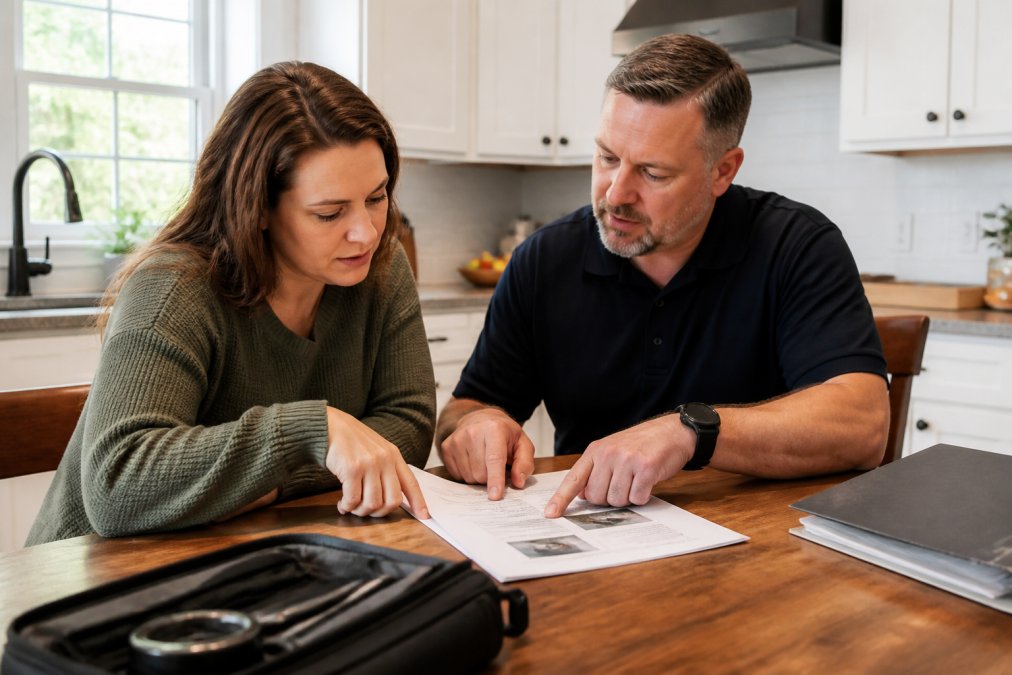
The most common source of confusion after an inspection is the inability to prioritize findings. A 40-page report with 80 line items looks alarming, but most items are maintenance notes. The ones that matter most are safety hazards and structural or mechanical defects carrying significant repair costs.
How to read your report effectively:
- Start with the summary section. Most professional reports include a summary of high-priority items.
- Separate safety issues from cosmetic ones. A missing GFCI outlet is a safety hazard; a hairline crack in drywall is almost always cosmetic.
- Flag items requiring a specialist. These referrals mean the inspector found something worth a second opinion.
- Use the report as a negotiation tool. Major defects, particularly roof condition, HVAC failures, and foundation concerns, are legitimate grounds for repair requests or price adjustments.
- Keep the report after closing. The maintenance recommendations section becomes a prioritized to-do list for your first years of ownership.
The Consumer Financial Protection Bureau’s homebuying guide notes that understanding what an inspection covers is critical to protecting your investment.
Why Full Disclosure Property Inspection Stands Apart
Most home inspection providers offer a licensed inspector and a report. Full Disclosure Property Inspection offers a Certified Master Inspector with over 5,000 inspections performed, a background in general contracting and land development, and a registered appraiser’s license. That combination means findings are contextualized in terms of real construction knowledge and property value impact.
Full Disclosure Property Inspection operates under a strict Code of Ethics with no referral relationships that influence findings. The inspection report reflects what is actually there, not what any party to the transaction wants to see.
Qualifications, Certifications, and Local Expertise
Melanie Crabtree holds the Certified Master Inspector designation, the highest professional credential in the home inspection industry. She is a licensed member of The Home Inspectors of Tennessee Association and served as its State President. Her appraiser’s license, registered in Georgia since 2002, adds property valuation perspective that most inspectors do not have. Licensed since 2009 and locally owned and operated, Full Disclosure Property Inspection brings genuine area knowledge to every property assessment, including familiarity with construction practices, soil conditions, and deferred maintenance patterns common to this region.
According to the International Association of Certified Home Inspectors Certified Master Inspector program, the Certified Master Inspector designation requires a minimum of 1,000 fee-paid inspections and 1,000 hours of education and inspection-related experience, standards that exceed state licensing minimums.
Scheduling, Pricing Transparency, and Service Area
Full Disclosure Property Inspection offers online scheduling and serves the greater Chattanooga area, including Hamilton County and surrounding counties. Pricing depends on property size, type, and scope of services requested. Contact the team directly or request a proposal for current pricing specific to your property.
Infra-red thermal imaging is included at no extra charge, a concrete differentiator from providers who charge separately for this service.
| Feature | Full Disclosure Property Inspection | Typical Other Providers |
|---|---|---|
| Certified Master Inspector | Yes (5,000+ inspections) | Varies |
| Thermal Imaging Included | Yes, at no extra charge | Often add-on fee |
| General Contracting Background | Yes | Rarely |
| Registered Appraiser’s License | Yes | No |
| State Association Leadership | Former State President | Typically no |
| Same-Day Report Delivery | Varies | Varies |
| Independent (no referral relationships) | Yes | Verify before booking |
Schedule an inspection or request a proposal at Full Disclosure Property Inspection to get a complete, independent property assessment before your next real estate transaction.
Frequently Asked Questions
Q: How much does a home inspection cost in the Chattanooga area?
A: Pricing for home inspection services varies based on the property’s size, age, type, and which add-on services you select. Factors like crawlspace access, radon gas testing, or mold detection can affect the final quote. Rather than publishing a flat rate that may not reflect your specific property, Full Disclosure Property Inspection provides custom quotes. Request a proposal through their website to get accurate pricing for your home.
Q: What is included in a standard home inspection report?
A: A standard inspection report covers structural integrity, foundation condition, roof condition, HVAC system evaluation, electrical panel safety, plumbing system analysis, insulation and ventilation, crawlspace moisture, appliance functionality, and safety hazards. At Full Disclosure Property Inspection, reports are computer-generated, clearly separating critical safety concerns from routine maintenance recommendations so you know exactly what needs immediate attention.
Q: Do I need to be present during the home inspection?
A: You are not required to be present, but attending is strongly recommended, especially for first-time homebuyers. Walking through the property with the inspector lets you ask questions in real time, see issues firsthand, and understand the context behind each finding. This hands-on education helps you prioritize repairs and negotiate confidently. If you cannot attend, the detailed written report still give you a comprehensive property assessment.
Q: Is a home inspection required by law for real estate transactions?
A: No federal law mandates a home inspection before closing in the United States, and Tennessee state regulations do not require one either. However, skipping an inspection in a competitive market is a significant financial risk. A pre-purchase inspection can uncover deferred maintenance, structural components in poor condition, or safety hazards that cost far more to fix after closing. Most real estate professionals still recommend one as a core part of homebuyer protection.
Q: Do new construction homes need a professional inspection?
A: Yes. New construction homes can have significant defects despite passing municipal code inspections, because code checks confirm minimum standards, not overall build quality. An independent new construction walkthrough by a certified inspector examines structural components, HVAC system installation, electrical panel safety, plumbing system analysis, and insulation and ventilation before you close. Issues caught at this stage are typically corrected by the builder at no cost to you.
Buying a home without a thorough inspection is one of the few financial decisions where the downside is both large and entirely avoidable. Full Disclosure Property Inspection brings Certified Master Inspector credentials, infra-red thermal imaging included at no extra cost, and a background in general contracting and appraisal that translates inspection findings into real financial context. Schedule an inspection or request a proposal, and go into closing with the complete picture.
This article was written using GrandRanker


