Table of Contents
- What Does It Mean to Waive a Home Inspection?
- Why Buyers Waive Inspections in Seller’s Markets
- The Real Risks of Skipping a Home Inspection
- Home Inspection vs Appraisal Explained
- Pre-Offer Home Inspection: A Smarter Strategy
- Using an Inspection Contingency Clause to Stay Competitive
- How to Make Your Offer Attractive Without Waiving Inspection
- Conclusion
- Frequently Asked Questions
Last Updated: September 23, 2026
What Does It Mean to Waive a Home Inspection?
Waiving home inspection means you agree to buy the property without having a professional examine its structural integrity, major systems, or hidden defects. Instead of the standard process where a certified inspector evaluates the roof, foundation, electrical wiring, plumbing, HVAC, and other critical components, you skip this step entirely and accept the home “as-is.”
When you waive the inspection, you’re removing a critical contingency from your offer. A contingency is a condition that allows you to back out of the purchase under specific circumstances. Without an inspection contingency, you lose your walk-away clause if major problems surface after closing.
This decision carries real financial risk. Hidden defects like foundation cracks, roof damage, or faulty electrical systems can cost thousands to repair. Once you close without an inspection, those repair costs become your responsibility entirely.
Why Buyers Waive Inspections in Seller’s Markets
In competitive markets, buyers face pressure to waive contingencies to appear more attractive. Sellers prefer offers without inspection contingencies because they reduce deal uncertainty and renegotiation risk. However, competitive doesn’t mean smart. The inspection contingency exists because homes contain surprises. Removing it doesn’t eliminate the surprises, it just means you’ll pay for them alone.
The Real Risks of Skipping a Home Inspection
Skipping a home inspection exposes you to substantial financial liability and insurance complications that extend far beyond immediate repair costs.
Immediate financial exposure
Common hidden defects include roof leaks, foundation cracks, electrical code violations, corroded plumbing, aging HVAC systems ($5,000-$15,000 replacement), mold ($2,000-$6,000+ remediation), and pest damage. These aren’t cosmetic issues, they require five-figure repairs and compound over time.
Post-closing liability and recourse limitations
After closing without an inspection, your recourse is severely limited. Homeowner’s insurance won’t cover pre-existing conditions. Sellers have no obligation to disclose unknown problems. Fraud claims are expensive and difficult to prove. “As-is” purchases eliminate seller responsibility.
The insurance implications of waiving inspection
This is where the long-term financial impact becomes critical, and it’s rarely discussed in competitive-market advice.
Waiving inspection affects your insurance eligibility and claims. Without an inspection report, you can’t prove defects are post-purchase, making claim denials likely. Insurers may deny coverage for pre-existing conditions, require expensive repairs before renewal, or increase premiums after multiple claims. When you sell, you must disclose discovered defects to future buyers, reducing your home’s value.
The compounding effect
The financial impact compounds over time. A $3,000 roof leak becomes $12,000 in structural rot. Insurance claims may be denied if the underlying defect was pre-existing and discoverable through inspection.
Real-world scenario
A buyer waives inspection on a home with hidden roof damage. Six months later, heavy rain causes $8,000 in water damage. The insurer denies the claim because the roof damage predates purchase. The buyer faces full repair costs plus potential mold remediation exceeding $15,000. A pre-purchase inspection would have documented the damage, allowing renegotiation or walkaway.
Waiving inspection doesn’t just expose you to repair costs, it affects your insurance eligibility, claim coverage, and long-term financial liability. The insurance implications alone make this a decision with consequences that extend years beyond closing.
Home Inspection vs Appraisal Explained
Inspections and appraisals serve different purposes. An appraisal estimates market value and protects your lender. An inspection evaluates condition and protects you. Appraisers note obvious damage but don’t perform detailed structural evaluation. Inspectors examine every major system in detail. Waiving inspection doesn’t affect the appraisal, but you lose your only professional assessment of what you’re buying.
Pre-Offer Home Inspection: A Smarter Strategy
A pre-offer inspection is the intelligent alternative to waiving contingencies. You hire an inspector before making an offer. This gives you detailed information about the property’s condition before you commit financially.
The process works like this:
- Find a property you’re interested in
- Schedule an inspection before submitting an offer
- Review the detailed inspection report
- Use that information to decide whether to offer and at what price
- Submit an offer without an inspection contingency because you already know what you’re buying
This approach gives you competitive advantage without the risk. You’re not waiving inspection, you’re just doing it earlier.
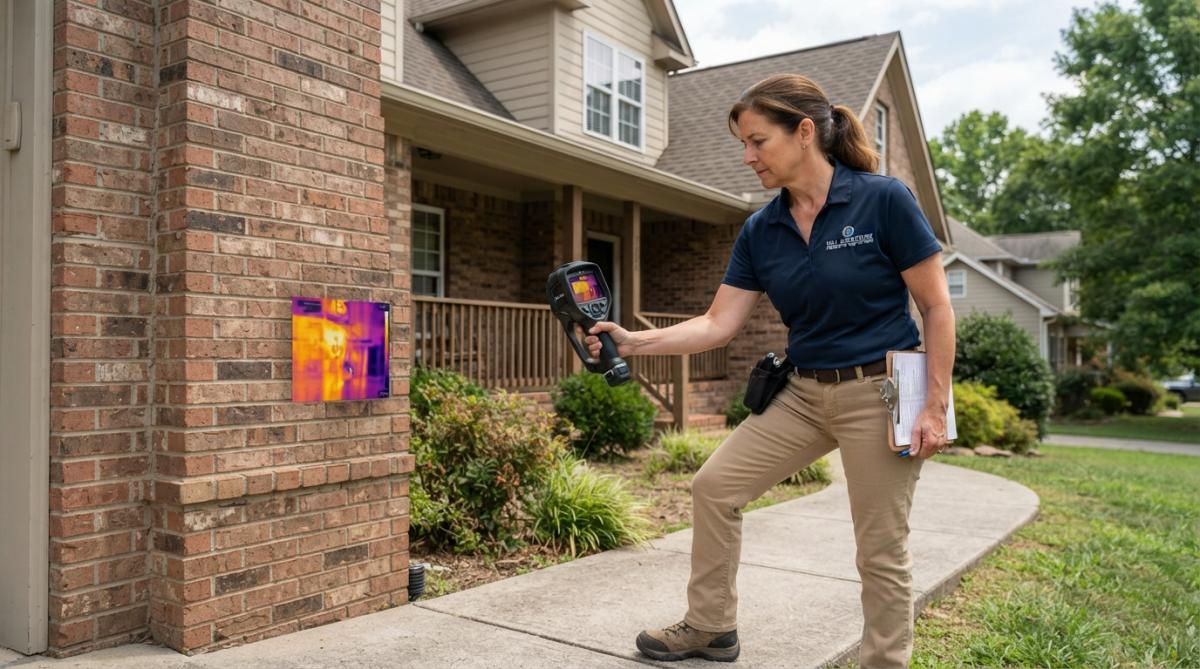
The pre-offer inspection costs extra upfront, but it solves multiple problems. You gain detailed knowledge of the property’s condition. You can price your offer accurately based on actual condition, not guesswork. You eliminate the inspection contingency from your offer, making it more attractive to sellers. And you avoid the surprise of discovering major defects after closing.
Many sellers will allow a brief inspection period even in competitive markets if you ask directly. Frame it as a due diligence step, not a contingency. You’re gathering information, not reserving the right to back out. This often succeeds where a formal contingency would fail.
The inspection report also gives you negotiating use. If the inspection reveals problems, you can either renegotiate the price or walk away informed. You’re not blindsided after closing.
Using an Inspection Contingency Clause to Stay Competitive
An inspection contingency doesn’t have to be a deal-killer in competitive markets. Sellers fear contingencies because they create uncertainty and renegotiation risk. However, you can structure contingencies strategically to signal serious intent while protecting yourself.
Standard contingency language and why it fails
Schedule an Inspection or Request a Proposal →
A typical inspection contingency reads: “Offer contingent on satisfactory home inspection. Buyer reserves the right to terminate if inspection reveals defects.”
This language is too broad. “Satisfactory” is undefined. “Defects” could mean anything from a cracked foundation to worn caulk around a window. Sellers see this as an open door for renegotiation or termination.
Strategic contingency structures that work
Narrow your contingency language to signal you’re a serious buyer:
Dollar-threshold contingencies: “Offer contingent on home inspection. Buyer may terminate only if inspection reveals defects requiring repairs exceeding $7,500.”
This tells the seller you accept minor repairs as part of homeownership. You’re only walking away from major problems. A $5,000-$10,000 threshold is typical and signals you’re not nitpicking. Set it based on the home’s price and your financial comfort, but make it meaningful, not so low that every small repair triggers it.
System-specific contingencies: “Contingent on inspection of structural components, roof, foundation, and major mechanical systems only.”
This explicitly excludes cosmetic issues, minor repairs, and non-structural items. You’re protecting yourself against the expensive surprises, not the normal wear-and-tear that comes with any home.
Time-limited contingencies: “Contingent on inspection completed within 7 days of acceptance. Buyer waives contingency if inspection is not ordered within 48 hours of acceptance.”
This shows decisiveness. You’re not dragging out the process. You’re committing to a fast timeline, which sellers value in competitive markets.
Repair-cap contingencies: “Contingent on inspection. If repairs exceed $6,000, buyer may terminate or renegotiate. If repairs are under $6,000, buyer accepts property as-is.”
This creates a clear threshold. Below it, you own the repairs. Above it, you have options. Sellers appreciate the clarity.
Informational-only contingencies: “Contingent on inspection for informational purposes only. Inspection results will not be used as grounds for termination or renegotiation.”
This is the most seller-friendly contingency structure. You’re conducting an inspection to know what you’re buying, but you’re committing to the purchase regardless of results.
Combining contingency language with other signals
- Shorter inspection period: Request 7 days instead of the standard 10-14. This shows you’re decisive and won’t drag out the process.
- Earnest money: Increase it to 3-5% of the purchase price. This demonstrates financial commitment and gives the seller assurance you’re serious.
- Named inspector: Mention in your offer that you’ll use a specific, well-regarded local inspector. Sellers respond better to named professionals than generic language.
- Pre-approval documentation: Include your lender’s pre-approval letter with the offer. This removes financing uncertainty.
What NOT to do with contingencies
- “Contingent on inspection and buyer’s satisfaction with repair estimates.” This invites renegotiation.
- “Contingent on inspection and appraisal.” Stacking contingencies signals uncertainty.
- “Contingent on inspection results being acceptable to buyer’s lender.” This creates ambiguity about who decides acceptability.
- Open-ended language like “contingent on any issues discovered.” This is too vague.
The negotiation reality
The goal is a contingency clause that signals you’re a serious, decisive buyer while retaining protection against major structural or system failures. Narrow, specific language beats broad language every time in competitive markets.
How to Make Your Offer Attractive Without Waiving Inspection
You can make a competitive offer without removing your inspection contingency entirely. The key is signaling confidence and reducing seller risk through other means.
The goal isn’t to waive inspection. It’s to structure your offer so the seller sees you as a serious, decisive buyer who won’t create problems, while you retain the right to walk away from genuine structural or system failures.
Conclusion
Waiving a home inspection in a competitive market feels necessary, but it’s a false choice. You can remain competitive while protecting yourself through strategic alternatives: pre-offer inspections, narrow contingency clauses, and signals of buyer seriousness that don’t involve eliminating your protection.
Frequently Asked Questions
Is it smart to waive a home inspection in a competitive market?
No. Waiving a home inspection eliminates your due diligence on one of the largest financial investments you’ll make. Instead, use alternatives like pre-offer inspections or narrow inspection contingency clauses. These keep you competitive while protecting you from hidden defects, major systems failures, and costly post-closing repairs that can exceed tens of thousands of dollars.
What is the difference between a home inspection contingency and an appraisal contingency?
A home inspection contingency gives you the right to walk away or renegotiate if the inspection reveals significant issues. An appraisal contingency protects you if the home appraises lower than the purchase price, affecting your mortgage approval. Both are separate protections. A home inspection examines structural integrity, HVAC, plumbing, and electrical systems. An appraisal determines market value for lending purposes. You need both.
How can I make my offer competitive without waiving the inspection?
Conduct a pre-offer inspection before submitting your bid, then include a short inspection contingency window (5-7 days instead of 10) in your offer. This signals confidence while preserving your right to renegotiate or walk away if major defects appear. You can also increase your earnest money deposit, offer fewer contingencies elsewhere, or include a shorter closing timeline to strengthen your offer attractiveness.
What hidden defects do inspectors commonly find that buyers miss?
Common hidden defects include foundation issues, roof deterioration, outdated electrical wiring, plumbing leaks behind walls, HVAC system failures, and moisture intrusion. Thermal imaging reveals temperature anomalies indicating insulation gaps, electrical problems, or water damage invisible to the naked eye. Professional inspectors also identify code violations and deferred maintenance that affect property condition and future repair costs.


