Table of Contents
- What Is a Home Inspection Contingency?
- Home Inspection vs Appraisal Explained
- Why Buyers Waive Inspections in Competitive Markets
- The Real Risks of Waiving a Home Inspection
- Pre-Offer Home Inspection: A Smarter Alternative
- How to Negotiate Repairs After Inspection
- When Is It Safe to Waive an Inspection?
- Protecting Yourself Without a Full Contingency
- Frequently Asked Questions
Last Updated: September 19, 2026
What Is a Home Inspection Contingency?
A home inspection contingency is a clause in your purchase agreement that gives you the right to have a professional inspect the property before you’re legally obligated to buy it; conversely, you may choose to waive home inspection in competitive markets. If major problems surface, you can renegotiate the price, request repairs, or walk away from the deal entirely.
It’s your safety net: without it, you buy “as-is”; with it, you can address serious issues before closing.
The contingency typically gives you 7-10 days to inspect and decide whether to proceed. You remain under contract but retain the right to back out if critical issues emerge.
Home Inspection vs Appraisal Explained
These two are often confused, but they serve completely different purposes. Understanding the difference matters when deciding what contingencies to waive.
An appraisal is a lender’s tool to confirm the property’s market value matches your loan amount. It protects the lender, not you, and checks value, not condition.
An inspection is your protection. A home inspector examines structural integrity, mechanical systems, electrical wiring, plumbing, HVAC systems, and identifies problems like foundation issues, roof damage, mold, asbestos, radon, and deferred maintenance.
An appraisal might say your home is worth $400,000; an inspection might reveal foundation cracks requiring $50,000 in repairs. You need both.
Many buyers mistakenly think pre-approval or appraisal approval means the home is in good condition. You need a separate inspection contingency to protect yourself.
Why Buyers Waive Inspections in Competitive Markets
In hot markets, multiple offers arrive the same day. Your realtor may suggest you waive home inspection to strengthen your offer.
Removing the inspection contingency makes your offer more attractive, the seller worries less about the deal falling apart over repairs. It does make your offer more competitive.
But you’re trading short-term negotiating advantage for long-term financial risk. Bidding wars push emotional decisions; you waive the inspection and later face a surprise $30,000 repair bill.
Pre-offer inspections solve this: inspect before offering, know what you’re buying, then waive the contingency confidently.
The Real Risks of Waiving a Home Inspection
Waiving a home inspection contingency means accepting the property’s condition without professional evaluation, a significant financial and legal liability.
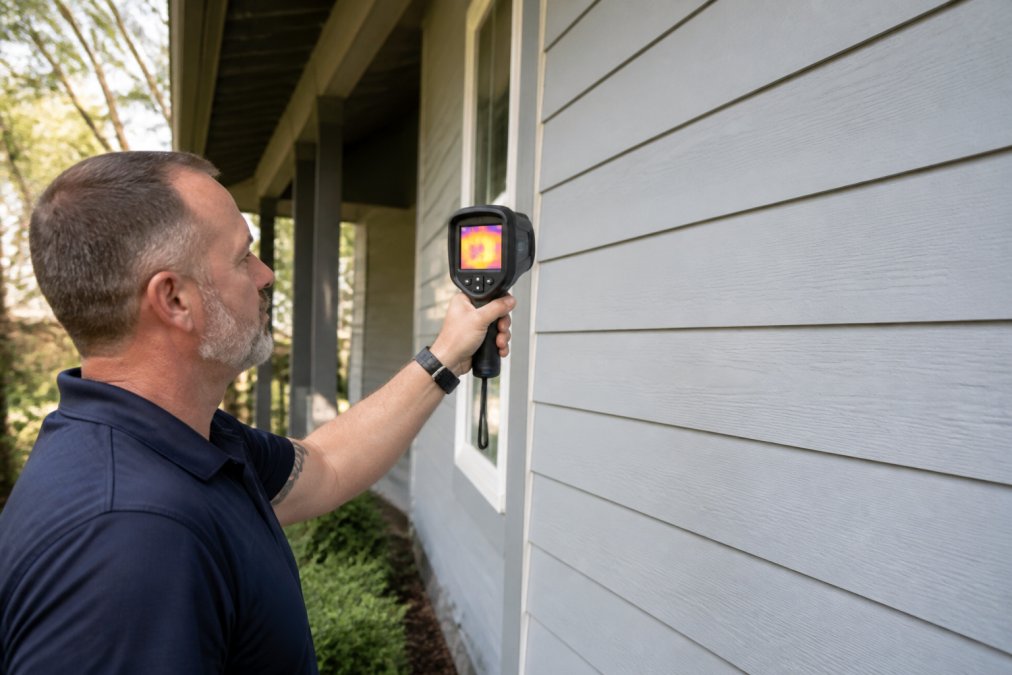
Inspections catch foundation issues, roof damage, outdated electrical wiring, hidden plumbing leaks, aging HVAC systems, mold, asbestos, and radon exposure.
When you waive the inspection and discover a major defect after closing, the home warranty may not cover it, and you’re responsible for the full repair cost.
Structural repairs cost $15,000-$50,000; HVAC replacement $8,000-$15,000; roof replacement $20,000+.
Once you close without an inspection contingency, you own the property and its problems. You can’t ask the seller to pay.
If you waive the inspection and later discover major defects, your only recourse is to sue the seller for non-disclosure, a costly and uncertain legal process. Most sellers claim they didn’t know about the problem. Proving otherwise takes time and money.
Your homeowner’s insurance won’t cover pre-existing damage you should have caught. If a foundation problem causes water damage later, the insurer may deny the claim.
Pre-Offer Home Inspection: A Smarter Alternative
Consider a pre-offer inspection instead: hire an inspector before offering, get a detailed report, then make an informed offer. If major issues emerge, adjust your price downward; if it’s clean, offer full price and waive the contingency confidently.
This removes the seller’s uncertainty while you’ve already done your due diligence.
Pre-Offer Inspection Costs and Timeline
A standard pre-offer inspection costs $300-$500 for a single-family home; larger homes or complex properties run $600-$800. It’s a one-time, non-refundable fee.
Most inspectors accommodate pre-offer inspections within 2-5 business days; book early in hot markets. A typical inspection takes 2-4 hours.
You need the inspection completed and report in hand before submitting your offer. In competitive markets, schedule the inspection the same day you view the property or the next morning.
Getting Seller Agreement for Pre-Offer Access
Here’s the practical challenge most buyers face: the seller must allow you access to inspect before you’ve made an offer. You don’t have a contract yet, so you have no legal right to enter the property.
Your agent requests a 2-4 hour inspection window from the listing agent, framing you as a serious buyer. Most sellers agree because it signals genuine interest and reduces contingency disputes later.
Request the inspection during the seller’s showing schedule, preferably weekday mornings. Have your inspector on standby for the agreed time.
Schedule an Inspection or Request a Proposal →
If the seller refuses access, that’s a red flag suggesting known problems. Make an offer with a standard inspection contingency and be cautious about waiving it.
Converting the Pre-Offer Report Into Offer Strategy
Once you have the inspection report, you have three paths forward:
Path 1: Clean report, waive confidently. Offer full asking price and waive the contingency. You have documentation the property is sound; the seller gets certainty; you get advantage without risk.
Path 2: Minor issues, negotiate down. Offer full price with contingency to verify repairs, or offer below asking and waive the contingency, accepting minor work as post-closing costs.
Path 3: Major issues, adjust offer significantly. Walk away or make a substantially lower offer accounting for repairs. If you choose the latter, waive the contingency, the seller knows you’ve inspected and is more likely to accept an informed lower offer than a contingency-based renegotiation.
You’re using the inspection as a due-diligence tool, not a negotiating tactic.
Bring a copy of the pre-offer inspection report to your offer submission. Listing agents and sellers respect concrete documentation. It shifts the conversation from “I think there might be problems” to “Here’s what the professional found.” This is especially powerful if your offer is below asking price, the report justifies the reduction.
When Pre-Offer Inspections Make the Most Sense
Pre-offer inspections are especially valuable for homes over 30 years old, properties on market long (suggesting undisclosed issues), homes in geological risk areas, or any property where you need to waive contingencies to win.
How to Negotiate Repairs After Inspection
If the inspection reveals problems, you have three main options.
Sellers are more likely to negotiate when you present specific repair costs from licensed professionals, not general complaints about property condition.
When Is It Safe to Waive an Inspection?
Waiving an inspection makes sense only in specific situations.
Newer construction homes (under 5 years old) are lower risk, builder’s warranty covers defects and systems. But even new homes need inspections; construction defects exist.
Protecting Yourself Without a Full Contingency
If you’re in a competitive market and feel pressured to waive the inspection contingency, there are middle-ground strategies that reduce risk without abandoning your offer entirely.
The Post-Closing Cash Reserve Framework
If you waive the inspection contingency, you must plan for post-closing repairs, a financial reality most buyers underestimate.
Calculate your reserve based on property age:
-
Homes built 1950-1980 (40+ years old): Set aside 5-10% of purchase price. Older homes have higher failure rates; electrical, plumbing, and HVAC systems are often at or past service life.
-
Homes built 1980-2000 (25-40 years old): Set aside 3-5%. Systems are aging but not yet critical.
-
Homes built 2000-2010 (15-25 years old): Set aside 2-3%. Systems are mid-life; roof replacement may be approaching.
-
Homes built after 2010 (under 15 years old): Set aside 1-2%. Systems are relatively new.
Prioritize Your Reserve by System Failure Cost
Structure your reserve to cover the highest-impact failures first.
Highest-cost failures: Foundation repair ($15,000-$50,000+), roof replacement ($15,000-$30,000), HVAC replacement ($8,000-$15,000), plumbing overhaul ($10,000-$25,000), electrical upgrade ($8,000-$15,000), mold remediation ($5,000-$30,000).
Lower-cost failures: Appliances ($500-$2,500), gutters ($1,000-$3,000), driveway ($1,500-$5,000).
If you waive the inspection contingency and don’t maintain a post-closing cash reserve, you’re gambling that no major systems fail in the first 2 years of ownership. If they do, you’ll be forced to finance repairs through credit cards or home equity loans at higher interest rates, or you’ll defer critical repairs and risk further damage.
Timing Your Waiver Decision
Decide whether to waive the inspection contingency only after you’ve confirmed your post-closing cash position. If you’re stretching to afford the down payment and closing costs, you don’t have room for a repair reserve. In that case, keep the inspection contingency. The negotiating advantage of waiving it isn’t worth the financial vulnerability.
Buyers in competitive markets who want to move fast without full waiver: use a pre-offer inspection, maintain a post-closing cash reserve of 2-5% of purchase price (higher for older homes), shorten the inspection period to 5-7 days if you keep a contingency, and keep a walk-through clause. This balances competitiveness with financial protection.
Frequently Asked Questions
Is it smart to waive a home inspection contingency?
Waiving a home inspection contingency removes your legal right to back out of the purchase or negotiate repairs if major defects are discovered. This is rarely smart unless you’ve already conducted a thorough pre-offer inspection, the property is brand new with builder warranties, or you’re purchasing as-is from a distressed sale with full knowledge of the condition. The financial risk typically outweighs any competitive advantage gained in the offer.
What’s the difference between a home inspection and an appraisal?
A home inspection examines the structural integrity, HVAC system, electrical wiring, plumbing, and mechanical systems to identify defects and needed repairs. An appraisal estimates the property’s market value for the mortgage lender, it does not assess condition or safety. You need both: the inspection protects you from hidden problems; the appraisal protects your lender. Skipping the inspection leaves you exposed to repair costs your appraisal never evaluated.
Can a pre-offer home inspection help me make a stronger offer without waiving contingencies?
Yes. A pre-offer inspection completed before you submit your bid gives you concrete data on the property’s condition and repair costs. You can then make a competitive offer with an inspection contingency intact, knowing your walk-away price. This approach balances negotiation leverage with financial protection, you’re not betting blind on foundation issues, mold remediation, or electrical hazards just to win the bidding war.
What should I do if the inspection reveals major defects after I’ve made an offer?
If your offer includes an inspection contingency, you have three options: request the seller pay for repairs (or reduce the price), negotiate a credit at closing, or walk away. Document all defects in writing with repair cost estimates from licensed contractors. Present repair requests professionally with evidence; most sellers will negotiate rather than lose the sale. If the seller refuses and the defects are severe, your contingency gives you the contractual right to withdraw without losing earnest money.


