Last Updated: October 27, 2026
Quick Summary
A seller credit puts money toward your closing costs and lowers your cash to close, while seller-completed repairs fix the specific defect before closing. Choose a seller credit for minor findings or tight cash, and choose repairs for safety and structural defects. Your loan program caps the credit, so confirm the limit with your lender.
- Sort inspection findings into safety and structural, major systems, and deferred maintenance before you ask for anything.
- Negotiate safety issues, structural defects, and failing major systems, and skip cosmetic wear.
- Every loan program caps seller concessions as a percentage of the purchase price, so confirm the current limit in writing.
- Get a contractor bid before you counter so a vague complaint becomes a number the seller can evaluate.
- If your eligible closing costs are only $4,000, $2,000 of a $6,000 credit is lost and repairs become the better economic choice.
Table of Contents
- Start With the Inspection Report, Not the Negotiation
- Seller Credit vs Repairs: What Each One Actually Does
- Which Repairs to Negotiate After a Home Inspection
- Closing Cost Credit Limits by Loan Program
- How to Write a Home Inspection Repair Request Letter
- Run the Numbers Before You Counteroffer
- Schedule Your Inspection Before You Negotiate Anything
- Frequently Asked Questions
Start With the Inspection Report, Not the Negotiation
Negotiating closing costs vs home repairs starts with one document: the inspection report. Before you ask for a single dollar, you need to know what is actually wrong with the house. That order can cost buyers leverage.
A home inspection is a limited, non-invasive visual review of the property’s systems and structure. It is not a code compliance check, and it is not a warranty.
Read the full report twice. First for the big items, then for the small ones. If findings are severe enough to threaten the deal, learn what happens if a home inspection fails before you decide your next move.
Sort Findings Into Three Buckets
You can sort findings into three buckets:
- Safety and structural: roof defects, foundation cracks, failed electrical, gas leaks
- Major systems: HVAC, water heater, plumbing, electrical panel age
- Deferred maintenance: caulking, minor leaks, worn finishes, cosmetic wear
The first two buckets may warrant a serious ask. The third may be less likely to win a concession.
Seller Credit vs Repairs: What Each One Actually Does
A seller credit is money the seller puts toward your closing costs at settlement. Seller-completed repairs mean the seller hires a contractor and fixes the issue before closing. They solve different problems.
A closing cost credit can lower your cash to close. It does not fix the roof. A repair can fix the roof but leaves your closing costs untouched.
Here is the direct comparison most guides skip:
| Feature | Seller Credit | Seller-Completed Repairs |
|---|---|---|
| What it covers | Closing costs, prepaid items | Specific defects named in the request |
| Cash to close | Reduced | Unchanged |
| Who controls the work | You | Seller |
| Quality risk | None, it is cash | Depends on the contractor |
| Lender limits | Yes, capped by loan program | Generally not capped |
| Best for | Minor findings, tight cash | Safety and structural defects |
For a deeper walkthrough of tactics, see the best ways to negotiate repairs after a home inspection.
Pros and Cons of a Closing Cost Credit
Pros:
- Puts cash in your pocket at closing
- You choose the contractor later
- Simple to document in the purchase agreement
Cons:
- Capped by your loan program
- Does not fix a failing roof or HVAC
- Your lender must approve the amount
Pros and Cons of Seller-Completed Repairs
Pros:
- The defect actually gets fixed
- No loan limits apply
- You inherit a documented repair with a receipt
Cons:
- Seller picks the cheapest bid
- Work quality varies
- Repairs can delay the transaction timeline
Before signing off on agreed repairs, discuss documentation and any permit requirements with the appropriate professionals.
Which Repairs to Negotiate After a Home Inspection
Negotiate safety issues, structural defects, and failing major systems. Skip cosmetic wear. That single rule settles most disputes before they start.
A general starting point is to consider the potential cost and safety or property impact of an item when deciding whether to ask. Cosmetic items may be lower priorities.
What Belongs on Your Repair Request
Put these on the request:
- Roof defects or active leaks
- Foundation cracks and settlement
- Failed electrical panels or unsafe wiring
- Non-functioning HVAC or water heater
- Active plumbing leaks
- Gas leaks and unsafe venting
- Wood-destroying insect damage
Leave these off:
- Cosmetic wear and scuffs
- Minor caulking gaps
- Older but functioning systems
- Items already disclosed by the seller
If you are unsure where to draw the line, this guide on how to prioritize home repair items breaks down the ranking.
Closing Cost Credit Limits by Loan Program
Every loan program caps seller concessions, and the cap is expressed as a percentage of the purchase price. The percentages change, so confirm the current limit with your lender in writing before you write a number into the contract. A seller credit is not unrestricted cash. It is a credit against eligible closing costs.
Before you ask for a credit, add up your actual closing costs, including origination, appraisal, title insurance, recording fees, prepaid interest, homeowners insurance escrow, and property tax escrow. Ask your lender how the credit would apply to your eligible costs.
Schedule an Inspection or Request a Proposal →
How the Caps Work in Practice
Ask your lender how the rules apply to your loan program:
- **
- **
- **
The Two Lender Rules That Catch Buyers Off Guard
Ask your loan officer for the applicable cap and eligible costs in writing. The Consumer Financial Protection Bureau’s closing disclosure guide explains the closing disclosure.
Discuss the credit and repair options with your lender, based on your eligible closing costs and the repair needs.
When a Credit Cannot Do the Job
Some findings may require further discussion with your lender. Ask whether any repair requirements affect your transaction before deciding how to negotiate.
How to Write a Home Inspection Repair Request Letter
Write a short, itemized letter that cites the inspection report, names each defect, and states a clear remedy. Attach the report pages and keep emotion out of it.
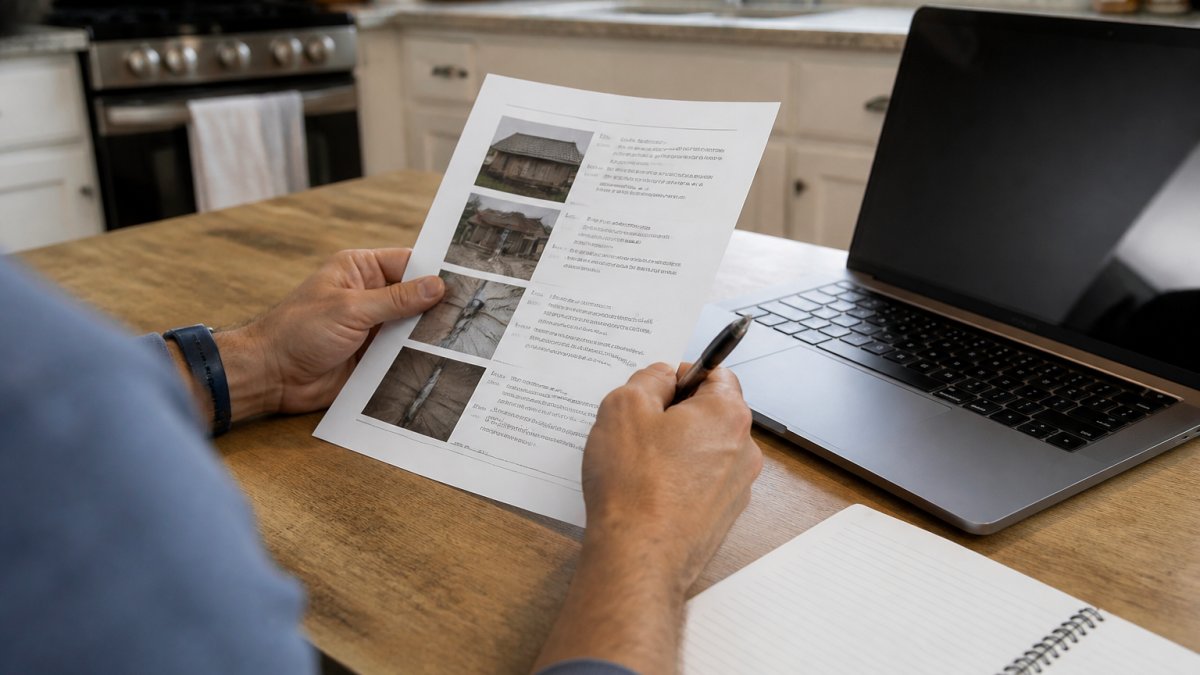
Follow this structure:
- Reference the purchase agreement and inspection contingency
- List each item with the report page number
- State the remedy: credit amount or specific repair
- Set a response deadline
- Request receipts and permits for completed work
Keep it to one page if you can.
Sample Repair Request Language
“Per the inspection report dated [date], we request the following: (1) Seller to repair the active leak at the master bath supply line, page 12, by a licensed plumber, with receipt provided before closing; (2) Seller credit of $[amount] toward buyer closing costs in lieu of repairs to the rear deck, page 18. Please respond by [date].”
Adjust the amounts to your numbers. Never copy a figure from another deal.
Run the Numbers Before You Counteroffer
Get a contractor bid before you counter. A repair estimate turns a vague complaint into a number the seller can evaluate. But the bid alone does not tell you whether to ask for a credit or a repair, you need to run the same dollar amount through both scenarios and compare cash to close, repair budget, and net proceeds.
A Worked Example
Suppose the inspection finds a failing HVAC system and the seller agrees to a $6,000 concession. Here is how the same $6,000 plays out under each option:
| $6,000 Seller Credit | $6,000 Seller-Completed Repair | |
|---|---|---|
| Cash to close | Reduced by up to $6,000 (capped by eligible closing costs) | Unchanged |
| Repair budget after closing | You fund the HVAC replacement yourself | $0, the seller pays the contractor |
| Who controls the work | You | Seller |
| Quality risk | None, it is cash | Depends on the contractor |
| Net proceeds impact | None | None |
If your eligible closing costs are $8,000, the full $6,000 credit is usable and you keep $6,000 in cash that you can put toward the HVAC, but you now own the project, the timeline, and the overrun risk. If your eligible closing costs are only $4,000, $2,000 of the credit is lost, and the repair option becomes the better economic choice even though it gives you less control.
Validate the Estimate Before You Rely on It
Compare the scope of any bids you receive, not just the price. Ask contractors whether their bids include permits, disposal, or code upgrades, and confirm whether the work requires a permit in your jurisdiction.
The Decision Framework
Run these four questions in order:
- Is the item a lender-required or safety repair? If yes, ask your lender how to address the repair requirement.
- Are your eligible closing costs sufficient for the credit? Ask your lender how any excess would be handled.
- Is the repair cost greater than the credit? If yes, take the repairs, or counter for the difference.
- Do you have cash reserves after closing? Consider your available cash and who would manage the repair when comparing the options.
You can present the credit and repair as alternatives in the same request. This gives the seller a choice.
For cost figures, use this guide on how to estimate home repair costs after inspection. Confirm any tax or insurance implications of a credit or repair with a qualified professional.
Schedule Your Inspection Before You Negotiate Anything
You cannot negotiate what you have not documented. An inspection report can provide information to consider when deciding whether to request a repair credit or repair.
At Full Disclosure Property Inspection, every fee-paid inspection includes infra-red thermal imaging at no extra charge. Our reports are computer-generated. Melanie Crabtree is a Certified Master Inspector with a general contracting background and a registered appraiser’s license, and she has performed over 5,000 inspections.
Schedule your inspection and use the report as information for your negotiation.
Frequently Asked Questions
Should I ask the seller for closing costs or home repairs?
Your options depend on the inspection findings, your cash position, and the terms of your transaction. Discuss seller credits and repairs with your lender and other relevant professionals.
Can a buyer negotiate closing costs after a home inspection?
Whether you can negotiate depends on your purchase agreement and transaction. Review the agreement and discuss any proposed request with your real estate and lending professionals.
What repairs should buyers avoid asking for after an inspection?
Consider the nature and significance of each finding when deciding what to raise. Discuss any lender requirements and documentation for agreed repairs with the relevant professionals.
How do seller concessions affect a buyer’s closing costs?
Ask your lender how a seller credit would apply to eligible closing expenses in your transaction and how it would be reflected in your closing documents.
The strongest position in any negotiation is a documented one. Get the report, sort the findings, and let the evidence do the talking. Get started with Full Disclosure Property Inspection and negotiate with a clear, detailed report in hand.


