Table of Contents
- What a Pre-Listing Inspection Actually Covers
- Pros and Cons of Pre-Listing Inspections
- Home Inspection vs Appraisal Explained
- What to Fix Before Selling a House
- Tennessee Seller Disclosure Requirements
- Is a Pre-Listing Inspection Worth It? ROI and Market Impact
- Conclusion: Making the Call for Your Chattanooga Sale
- Frequently Asked Questions
Last Updated: September 13, 2026
What a Pre-Listing Inspection Actually Covers
A pre-listing inspection is a seller-commissioned property assessment completed before the home goes on the market, covering the same major systems a buyer’s inspector would evaluate. It gives you the findings first, while you still control the timeline, the repairs, and the price.
Sellers who inspect first often negotiate from information, while those who don’t may negotiate from anxiety. The scope typically includes structural integrity, foundation issues, roof condition, HVAC systems, electrical systems, and plumbing leaks, plus visible water intrusion, safety hazards, and deferred maintenance. A thorough report also flags the smaller items that spook buyers during escrow.
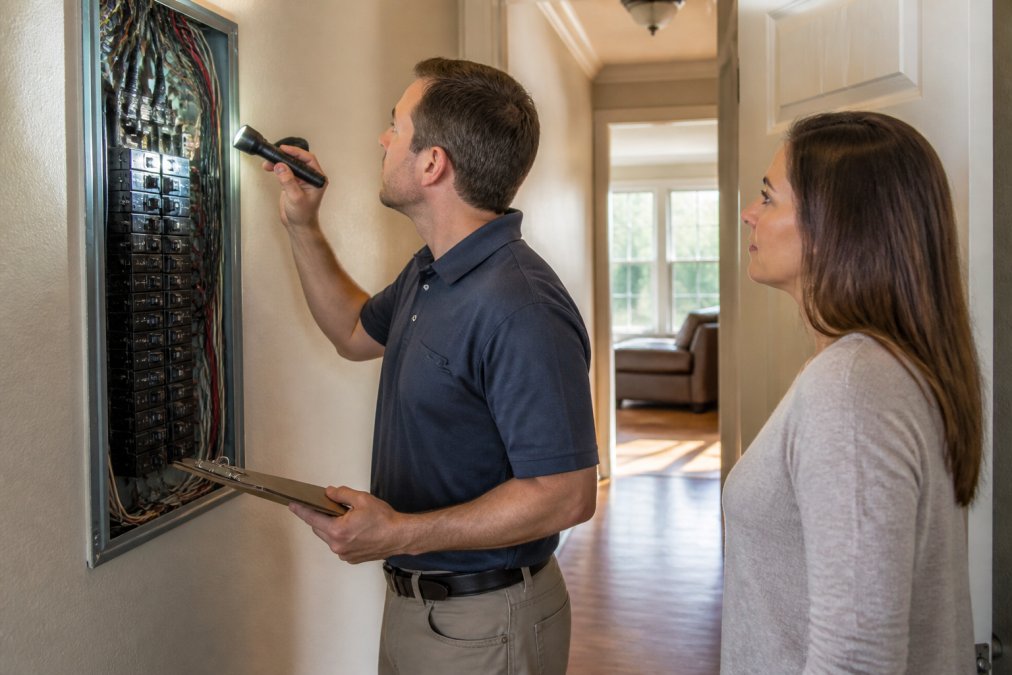
What most guides miss is that the report itself is a marketing document. Handed to buyers, it signals transparency and turns a defensive negotiation into a factual one.
Pros and Cons of Pre-Listing Inspections
The strongest argument for a seller’s inspection is negotiation use. You learn about foundation issues, roof condition, or plumbing leaks before a buyer’s inspection does, and you decide whether to repair, credit, or disclose. The strongest argument against is cost and disclosure risk: once you know about a defect, you generally have to disclose it.
Here’s the honest breakdown:
| Factor | Advantage | Drawback |
|---|---|---|
| Timing | Repairs on your schedule, before listing | Adds weeks before the home goes live |
| Negotiation | You set the terms on known issues | Buyer may still request their own inspection |
| Disclosure | Transparency builds buyer trust | Known defects must be revealed |
| Price | Supports a firmer listing price | Repair costs come out of your pocket upfront |
| Closing | Fewer surprises during escrow | A clean report doesn’t guarantee a clean buyer inspection |
The most common mistake is ordering an inspection and then sitting on the findings. Once you know about a material defect, disclosure requirements typically attach. An unrepaired, undisclosed issue discovered later is far more expensive than the repair itself.
Home Inspection vs Appraisal Explained
A home inspection and an appraisal serve completely different purposes in a real estate transaction. An inspection evaluates property condition: structural integrity, HVAC systems, electrical systems, plumbing, and roof condition. An appraisal estimates market value based on comparable sales, square footage, and location.
The two are not interchangeable, and lenders rely on the appraisal, not the inspection. A home appraisal tells the bank whether the loan is sound. A home inspection tells you what you’re actually buying or selling. Sellers sometimes confuse the two and assume a strong appraisal means the property is in good shape. It doesn’t. An appraiser can value a home at full price while the roof has three years of life left and the HVAC is limping.
For sellers, the practical distinction matters: an appraisal protects the buyer’s financing, while a pre-listing inspection protects your negotiating position. InterNACHI’s Standards of Practice for Home Inspections outlines exactly what a professional inspection covers, which is a useful reference when you’re comparing scope between providers.
What to Fix Before Selling a House
The repairs that pay off before listing are rarely the cosmetic ones. Structural, mechanical, and safety issues drive buyer walk-aways and closing delays far more than dated finishes. But “fix the important stuff” is useless advice without numbers attached, so here is how sellers might think about sequencing and spend.
A common approach is to prioritize in this order:
- Safety hazards – exposed wiring, gas leaks, missing handrails, trip hazards
- Water intrusion – active plumbing leaks, roof condition, grading, and drainage
- Major systems – HVAC systems, electrical systems, and water heater age
- Structural integrity – foundation issues, framing, and load-bearing concerns
- Deferred maintenance – the small items that signal neglect to buyers
What These Repairs Typically Cost
Exact pricing depends on the contractor, the age of the home, and how much of the system is affected, but the ranges below reflect what sellers might budget for. Treat them as planning figures, not quotes.
| Repair | Typical Range | Notes |
|---|---|---|
| GFCI outlet replacement | $25-$75 per outlet | Often a quick electrician visit |
| Double-tapped breaker correction | $150-$400 | Common panel finding |
| Water heater replacement (50-gal) | $1,200-$2,500 | Age over 10 years is the trigger |
| HVAC repair vs. replace | $400-$1,200 repair / $5,000-$12,000 replace | Depends on compressor and refrigerant type |
| Roof patch vs. full replacement | $500-$1,500 patch / $8,000-$20,000 replace | Square footage and pitch drive the number |
| Crawlspace moisture remediation | $1,500-$6,000 | Vapor barrier, drainage, dehumidifier |
| Foundation crack injection | $500-$1,500 per crack | Structural vs. cosmetic matters |
| Grading and downspout correction | $300-$1,500 | Cheap fix, high impact on water intrusion |
DIY vs. Professional Pre-Inspection
Before you pay for a full inspection, walk the property yourself with a critical eye. You can reasonably check:
- Water staining under sinks, around toilets, and on ceiling corners
- Caulk and grout condition in kitchens and bathrooms
- Outlet and switch function, including GFCI test buttons
- Door and window operation, including locks and weatherstripping
- Visible roof condition from the ground with binoculars
- Grading and downspout discharge relative to the foundation
- HVAC filter condition and the age sticker on the unit
- Water heater age from the manufacturer label
What you should not try to self-assess: electrical panel condition, foundation movement, roof decking, HVAC refrigerant and combustion, and anything inside a wall or crawlspace. Those require a licensed professional and, in some cases, specialized tools like thermal imaging or a moisture meter.
Fix the boring stuff first. A seller who replaces a failing water heater and re-grades a soggy crawlspace entrance usually gets further in negotiation than one who installs new countertops. Buyers and their inspectors care about what’s behind the walls.
Do not spend money on repairs you cannot document. Keep every invoice, permit, and warranty. An undocumented repair reads to a buyer’s inspector the same as no repair at all.
Tennessee Seller Disclosure Requirements
Tennessee sellers must disclose known material defects in a residential property. The state’s residential property condition disclosure form requires sellers to report known issues with structural components, roof condition, HVAC systems, electrical systems, plumbing, water intrusion, and other material facts that affect property condition.
The critical word is “known.” You are not required to inspect the home, but you are required to disclose what you already know. This is exactly where a pre-listing inspection changes the equation. It converts unknowns into knowns, and it gives you documentation that supports your disclosure. Tennessee Comptroller’s residential property disclosure guidance explains the statutory framework sellers operate under.
Schedule an Inspection or Request a Proposal →
If you skip the inspection and a buyer later finds a defect you plausibly should have known about, the disclosure requirements can become a legal problem rather than a repair bill. Tennessee Code on residential property disclosures covers the underlying statute for sellers who want the language itself.
Is a Pre-Listing Inspection Worth It? ROI and Market Impact
For most sellers, a pre-listing inspection is worth it when the home is older, has deferred maintenance, or is priced in a bracket where buyers expect a clean report. The return isn’t a guaranteed dollar figure. It’s control over the negotiation, fewer closing delays, and a documented position on property condition.
The Actual ROI Math
A pre-listing inspection involves an upfront fee, and the repairs it surfaces are the real variable. Here is the framework most sellers should run before deciding:
- Inspection cost: the upfront fee you pay regardless of outcome
- Repair cost: what you choose to fix, credit, or disclose
- Negotiation delta: the price reduction you avoid by controlling the conversation
- Time delta: days of escrow you save by not re-opening a buyer’s inspection period
The inspection pays for itself when the negotiation delta plus the time delta exceeds the inspection fee plus the repairs you would have paid for anyway. On a home with a known-aging roof or HVAC, inspecting first can often be advantageous. On a newer home with a clean history, the inspection may surface only minor items, and the return can come from marketing rather than repair avoidance.
What Changes in the Negotiation
When a buyer’s inspector finds an issue, the seller is negotiating from a defensive position: the buyer has a report, a deadline, and the option to walk. When the seller’s inspector finds the same issue first, the seller is negotiating from a documented position: the defect is disclosed, priced, and either repaired or credited on the seller’s terms. The dollar outcome can be similar. The control is not.
A common pattern is that pre-inspected homes close faster because the buyer’s inspection period either shortens or becomes a formality. That time savings has real value in a market where a delayed closing can cost a seller a rate lock, a moving date, or a backup offer.
Where It Falls Short
- Newer homes with clean histories may only surface minor items, so the report functions more as a marketing asset than a repair roadmap.
- Sellers who cannot afford repairs may be better served by disclosing and pricing the home accordingly rather than paying for a report they cannot act on.
- Homes being sold strictly as-is may not benefit, since the seller is not negotiating repairs either way.
Even in those cases, the report still removes the “what are they hiding” instinct that stalls competitive listings. Handed to buyers, it converts a defensive posture into a factual one.
The real value of a pre-listing inspection isn’t the repair list. It’s that you negotiate from a position of documented fact instead of reacting to a buyer’s inspector.
Conclusion: Making the Call for Your Chattanooga Sale
The decision comes down to what you’re protecting. If you’re selling a home with any age, any deferred maintenance, or any unknown mechanical history, a pre-listing inspection gives you the information before a buyer’s inspector does, and that information is worth more than the repair bill it prevents.
Full Disclosure Property Inspection, led by Certified Master Inspector Melanie Crabtree, provides independent, computer-generated reports covering structural and mechanical systems, with infra-red thermal imaging included free on fee-paid inspections. With a background in general contracting, land development, and a registered appraiser’s license, our team delivers an authoritative opinion protected by a strict Code of Ethics.
Schedule an inspection with Full Disclosure Property Inspection and walk into your listing with facts on your side.
Frequently Asked Questions
Is a pre-listing inspection a good idea for Chattanooga sellers?
For most Chattanooga sellers, a pre-listing inspection is a smart move. It gives you a clear picture of your property’s condition before buyers start poking around. You can address foundation issues, HVAC systems, or roof condition on your own timeline rather than scrambling during escrow. It also strengthens your negotiation leverage because you are working from facts, not guesses. In a competitive market, that transparency can keep your sale moving and reduce the chance of closing delays.
How much does a pre-listing inspection cost?
Pricing depends on the size, age, and specific systems of your home, so there is no single figure that applies to every property. Full Disclosure Property Inspection tailors each quote to the scope of the home. Visit the website or request a proposal to get current pricing for your property. Many sellers find the cost can be a fraction of what a single unexpected repair might have taken off the final sale price.
Does a pre-listing inspection replace the buyer’s inspection?
No. A pre-listing inspection is for you, the seller, to understand your property’s condition before listing. The buyer will still hire their own inspector for due diligence. What your pre-listing inspection does is put you ahead of the curve. When the buyer’s inspector finds the same issues you already knew about, you can show that you have addressed them or priced accordingly. That reduces surprises during escrow and builds trust.
What is the biggest red flag in a home inspection?
Structural integrity problems top the list. Foundation issues, significant roof condition problems, and major electrical systems or plumbing leaks that suggest deferred maintenance are the findings that scare buyers most. These are also the issues that lead to repair costs in the thousands and can stall a real estate transaction. A pre-listing inspection with infra-red thermal imaging can catch hidden moisture or overheating issues before they become a buyer’s bargaining chip.


