Quick Summary
To choose a home inspector, first confirm the individual who will inspect the home holds an active state license where one is required, then check their experience with homes of your property’s age and type. Ask for insurance, a written quote covering the full scope, and a sample report before you book. The inspector’s independence from contractors and agents also matters.
- Look up the inspector’s individual license on your state’s public lookup, not just the company name.
- A certification from an association is not the same as a state license.
- Ask how many homes of your property’s age and construction type the inspector has inspected.
- Request a certificate of insurance covering errors and omissions and general liability.
- Ask whether the inspector receives referral fees from contractors they recommend.
Table of Contents
- Why Your Choice of Home Inspector Matters More Than the Price
- Verify Licensing, Certification, and Credentials Before You Call
- Evaluate Experience, Training, and Fit for the Property
- Home Inspection Questions Checklist to Ask Before You Hire
- Independence, Referrals, and Conflicts of Interest
- Home Inspection Cost for Buyers and What Affects the Price
- Comparing Sample Reports and Spotting Home Inspection Red Flags
- Booking Your Inspection with Full Disclosure Property Inspection
- Frequently Asked Questions
Why Your Choice of Home Inspector Matters More Than the Price
Most homebuyers treat the home inspection as a box to tick before closing, and the cheapest or fastest inspector often wins the job, which is where things go wrong.
A weak inspection can miss structural cracks, roof damage or electrical hazards, and those misses tend to surface after closing, when repairs cost far more.
This guide walks through seven steps to vet candidates, ask the right questions and compare reports, each focused on reducing the risk of hiring the wrong person.
Verify Licensing, Certification, and Credentials Before You Call
Before you schedule anyone, confirm the inspector meets the licensing and credential requirements that apply where the home sits.
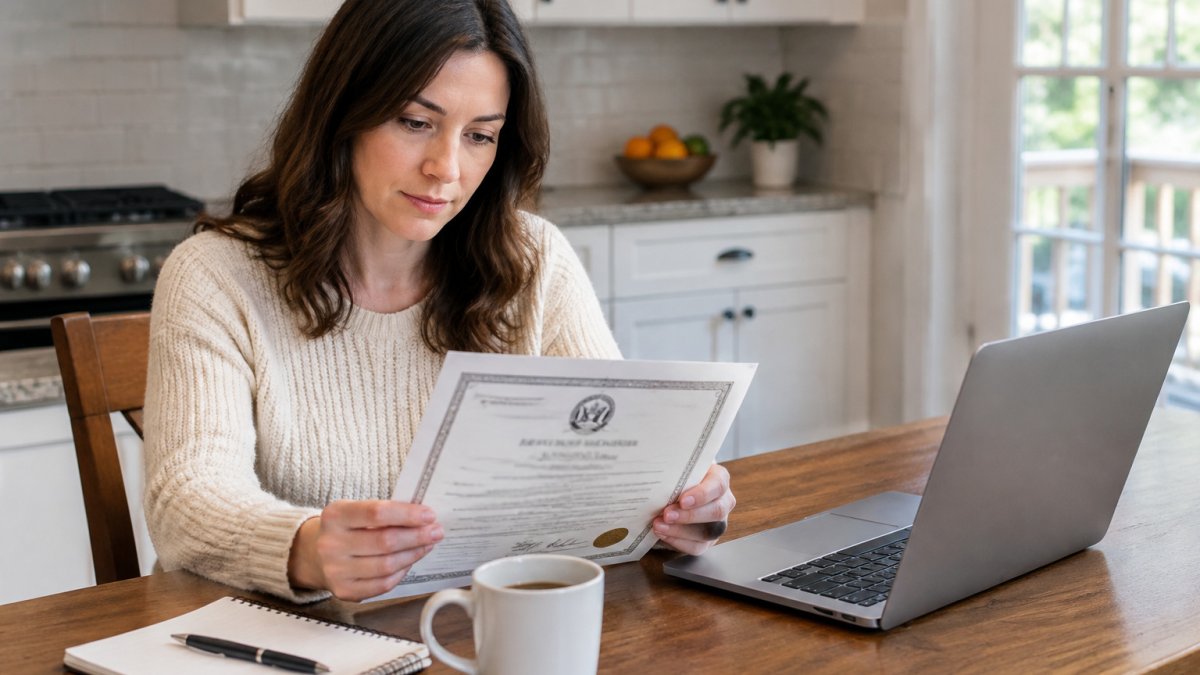
A license is a legal authorization to practice, issued and enforced by a state regulator. A certification is a credential issued by a professional association or training body (2016 data on certifications and licenses (CPS) : U.S. Bureau of Labor Statistics).
How Requirements Vary by State
Inspection regulation is set at the state level, and the landscape is genuinely uneven. Some states license home inspectors and set standards of practice, training hours, continuing education and a complaint process.
Because of that variation, the first question is not “are you licensed?” but “what does this state require, and how do you meet it?” Look up your state’s real estate or occupational licensing agency and read its home inspector page before you call anyone.
Running a License Lookup
Most state licensing agencies publish a free public lookup. Work through it in this order:
- Search by the inspector’s individual name, not just the company name. The license usually belongs to a person, and the company may employ several inspectors.
- Confirm the license type, status and expiration date. An active status today can still expire before your closing date.
- Match the license number on the inspector’s website or business card to the record. If the number does not match, ask why before you continue.
- Check for disciplinary actions or complaints, if the lookup publishes them. A single old complaint is not disqualifying; a pattern is.
- Confirm the inspector is authorized for the property type.
Watch out: a company can advertise that its team is “licensed and certified” while the individual assigned to your inspection holds neither, ask for the name of the person who will actually walk the property and verify that person.
Checking Association Credentials
Professional associations set their own standards of practice, codes of ethics and continuing education requirements, and many publish member directories. Membership signals a commitment to a standard but is not a substitute for a state license where one is required. Ask which associations the inspector belongs to and whether membership and continuing education are current.
Insurance and the Inspection Agreement
Ask about insurance before you book. A reputable inspector should carry errors and omissions coverage, which responds to claims that the inspector missed something, and general liability coverage, which responds to damage caused during the inspection.
Then read the inspection agreement, which typically defines the scope, the standards of practice the inspector follows, the limitations of liability and the dispute process.
Evaluate Experience, Training, and Fit for the Property
Experience counts for more than most buyers expect.
Fit matters too. A 1920s brick home raises different questions than a 2010 subdivision house.
Training and continuing education also indicate how current an inspector’s knowledge is, since building codes and inspection technology change.
A common mistake is hiring the first inspector a real estate agent recommends without checking whether that person has experience with your property type.
Home Inspection Questions Checklist to Ask Before You Hire
A short phone or email conversation can reveal a lot. Use the checklist below before you book:
- What is your license number, and is it active?
- Which professional associations do you belong to?
- How many home inspections have you completed?
- How many homes of this age and construction type have you inspected?
- Do you carry errors and omissions insurance and general liability coverage?
- What does the inspection cover, and what does it exclude?
- Do you use infrared thermal imaging, and is it included in your fee?
- How long will the inspection take, and how much will it cost?
- Will I be able to attend the inspection?
- What does the written report look like, and how quickly will I receive it?
Pay attention to how the inspector answers. Clear, specific answers suggest a professional who respects the buyer’s time. Vague or defensive answers are a warning sign.
Independence, Referrals, and Conflicts of Interest
An inspector’s independence determines whether the report serves you or someone else.
Ask whether the inspector receives referral fees or other compensation from contractors they recommend. Ask whether the inspector is affiliated with any repair company.
Recommendations from your agent are useful but should not be the only input.
Full Disclosure Property Inspection operates under a strict Code of Ethics, and its owner holds a registered appraiser’s license.
Home Inspection Cost for Buyers and What Affects the Price
Pricing depends on the size of the home, its age, its location, the systems being inspected and any add-on services.
Ask what the quote covers. Our guide on how to compare home inspection quotes walks through lining up each proposal’s scope side by side.
Price should not be the deciding factor. Compare scope, experience and the quality of the sample report alongside the number.
For current pricing and a written proposal, contact Full Disclosure Property Inspection directly.
The price of an inspection depends on several factors, and a low quote can leave out important services.
| Price factor | What it affects | What to check |
|---|---|---|
| Home size | Inspection time and fee | Ask whether the quote is based on square footage |
| Home age | Systems needing closer review | Confirm the inspector has experience with that era |
| Location | Regional pricing | Request a written quote from each candidate |
| Systems inspected | Scope of the report | Ask what the base fee covers |
| Add-on services | Total cost | Ask about crawlspace, roof and infrared imaging |
Comparing Sample Reports and Spotting Home Inspection Red Flags
Ask every candidate for a sample inspection report from a home similar to yours in age and construction. Our page on what to prioritize in inspection reports explains which findings deserve the most attention. The sample is the closest thing to a preview of the product you are buying, and comparing two or three side by side beats reading any single one in isolation.
A Practical Rubric for Comparing Reports
Score each sample on the same dimensions so the comparison is fair:
- Clarity. Can you understand each finding without a construction background? Plain-language descriptions beat jargon, and a short explanation of why the issue matters is better than a label alone.
- Photos. Are photos tied to specific findings, with enough context to locate the problem? A close-up with no wide shot is hard to act on.
- Severity ratings. Does the report separate safety concerns, major defects and minor maintenance items? A report that treats a loose handrail and a failing foundation the same way is not helping you prioritize.
- Actionable recommendations. Does each finding tell you what to do next, repair, monitor, or have a specialist evaluate? Vague recommendations push the work back onto you.
- Limitations and exclusions. Does the report state clearly what was not inspected and why, such as an inaccessible crawlspace or a roof the inspector could not walk?
- Summary page. Is there a short summary that highlights the most important issues, so you are not hunting through dozens of pages?
- Turnaround and format. Is the report delivered as a searchable digital file, and how quickly after the inspection?
A simple way to use the rubric is to pick two or three findings in each sample and trace them from the summary to the detail section. If you cannot follow the trail, the report will be hard to use under deadline pressure.
Red Flags in a Sample Report
Watch out: generic language that could apply to any house, few or no photos, no distinction between urgent and minor problems, and sections that look copied from a template are all warning signs. So is a sample that finds almost nothing wrong with a home that is visibly in poor condition, a report that never raises a concern is not necessarily a thorough one.
Scope, Exclusions, and Specialist Follow-Ups
A standard inspection is not a warranty, and it does not cover everything. Ask each candidate what the inspection excludes, and expect a specific answer. Common exclusions include pest infestations, mold, radon, sewer lines, septic systems, wells, chimneys and some roof areas the inspector cannot safely access.
When the inspector flags a system as outside the scope or recommends further evaluation, that is not a failure, it is the report doing its job.
Using the Report in the Purchase Process
Choosing an inspector is really about choosing the report you will negotiate with. Connect the selection to your contract timeline before you book:
- Know your inspection contingency deadline, and confirm the inspector can deliver the report with enough time to act on it.
- Ask how quickly the inspector is available for follow-up questions after delivery, since you may need to clarify findings before your contingency expires.
- Plan for the possibility that the report recommends specialist evaluations, and build time for those into your contingency window.
- Use the report’s severity ratings to separate repair requests from items you will monitor or handle yourself after closing.
An inspector who understands that the report feeds a negotiation, not just a file, will write findings you can actually use. Ask each candidate how buyers typically use their reports, and listen for an answer that reflects the purchase process.
Booking Your Inspection with Full Disclosure Property Inspection
Once you have compared candidates, book the inspector who meets your standards for licensing, experience, independence and report quality. Use a home inspection checklist for buyers to know what else to check during the walkthrough.
Full Disclosure Property Inspection, led by Certified Master Inspector Melanie Crabtree, serves buyers, sellers and investors across the greater Chattanooga area. The team delivers detailed, computer-generated reports and offers infrared thermal imaging with fee-paid inspections.
To schedule an inspection or request a proposal, contact Full Disclosure Property Inspection. Bring the questions from this guide, and compare the answers before you commit.
Frequently Asked Questions
How do you pick a good home inspector?
Start by confirming the inspector holds a current state license and any association certifications, then check how long they have been practicing and how many inspections they have completed. Ask for a sample inspection report and read it closely to see whether the findings are specific, organized, and easy to act on. Finally, ask whether the inspector has any relationship with the real estate agent, builder, or contractors involved in your purchase, and choose someone who can clearly answer that question without hesitation.
What credentials should a home inspector have?
Look for a valid state license where your state requires one, membership in a professional association such as a state home inspectors association, and proof of continuing education. Many buyers also value a Certified Master Inspector designation and inspectors who work under a published code of ethics and standards of practice. Verify each credential directly with the issuing state board or association instead of relying on the inspector’s marketing materials.
How much does a home inspection cost?
Home inspection pricing depends on the size, age, and type of property, its location, and the scope of the inspection. Fees are usually quoted before you commit, so request a written proposal that lists what is included. Compare the scope of each proposal, not just the price, because a lower fee may exclude systems or add-on services you need. For current pricing and a quote on your specific property, contact Full Disclosure Property Inspection directly.


