Table of Contents
- What Is Considered a Structural Defect in a New Home?
- Does a Builder Warranty Cover Structural Defects?
- How Long Does a Structural Warranty Last?
- Builder Warranty Coverage Exclusions You Need to Know
- How to File a Builder Warranty Claim
- Transferability, Resale, and Coverage After Ownership Changes
- Frequently Asked Questions
Last Updated: October 12, 2026
What Is Considered a Structural Defect in a New Home?
A structural defect is a problem with the load-bearing parts of a home that affects its safety or stability.
Most builder warranties define this narrowly. They do not cover every crack or squeak. They cover the bones of the house.
At Full Disclosure Property Inspection, we see the confusion firsthand. Buyers spot a crack and assume the worst. Or they ignore a real problem because it looks minor.
Here is the key question: is the issue affecting how the home performs its job of standing firm? If yes, it is likely structural.
Load-Bearing Elements and Physical Damage
Load-bearing elements are the parts of a home that carry weight. They include:
- Foundation walls and footings
- Floor joists and beams
- Load-bearing walls and columns
- Roof framing and trusses
- Structural connections between these parts
Physical damage to these elements is the trigger for most structural claims. This means actual movement, cracking, or failure, not just a surface blemish.
A common mistake is assuming all cracks are structural. Hairline cracks in drywall are usually cosmetic. Cracks in a foundation wall that let water in or show displacement are a different story.
Structural Defect vs. Cosmetic Settling and Ordinary Wear
New homes settle. This is normal. As the soil adjusts and materials dry, small gaps and cracks appear.
The difference comes down to function and severity. Cosmetic settling does not affect safety or structural integrity. It shows up as:
- Small drywall cracks at corners
- Nail pops in ceilings
- Minor gaps around trim
A structural defect is different. It involves movement that threatens the home’s stability. Signs include:
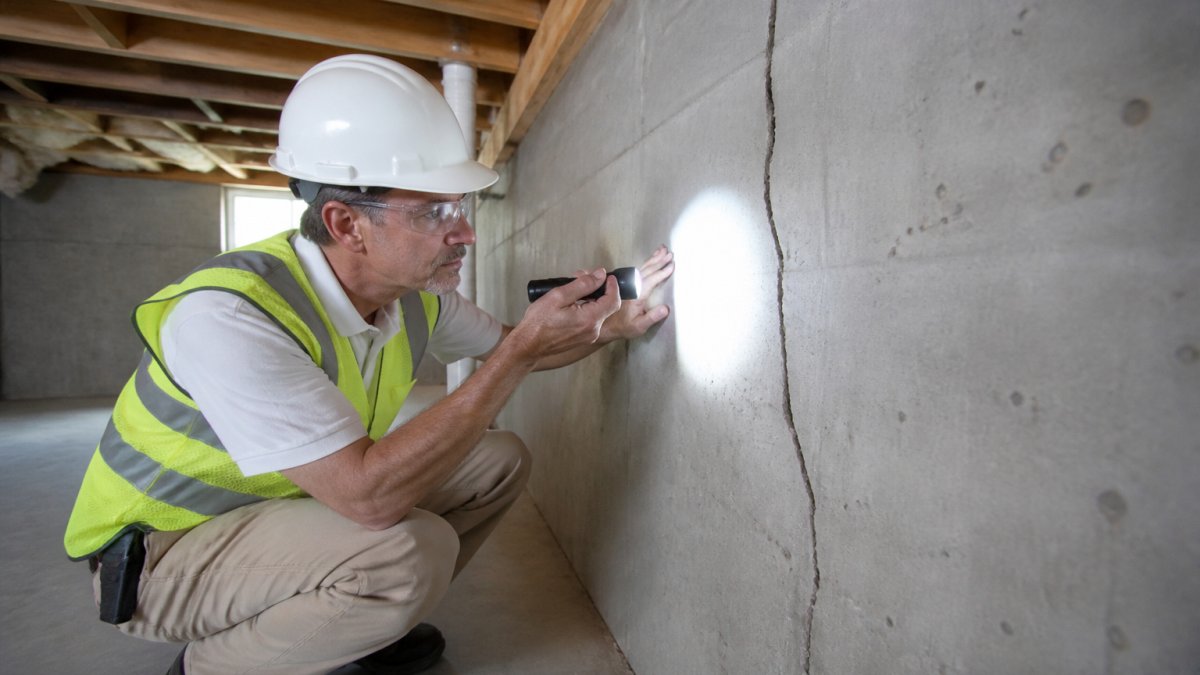
- Foundation cracks wider than a quarter inch
- Doors and windows that stick or will not close
- Floors that slope or bounce
- Bowing or leaning walls
What most guides miss is that timing matters. Settlement in the first year is expected. Movement that continues or worsens after that is a red flag.
Does a Builder Warranty Cover Structural Defects?
Yes, most builder warranties cover structural defects, but the coverage is limited, and the answer depends almost entirely on which document you are reading. A builder warranty is a written promise from the builder to repair certain defects for a set period after you close.
Many builders offer a one-year workmanship warranty, a two-year systems warranty, and a structural warranty that can run up to ten years. But the details matter more than the headline. Some warranties cover only “major structural defects.” Others use broader language. The definition in your contract controls what gets paid.
Three Documents That Get Confused
Before you assume you are covered, identify which document you actually hold. They overlap, but they are not the same thing.
- Builder warranty (express warranty). A contract-backed promise from the builder. Terms, exclusions, and deadlines are set by the builder and your purchase agreement. This is the document that usually governs structural claims.
- Home warranty (service contract). A separate, often paid plan that covers repair or replacement of systems and appliances. It typically excludes structural elements and is not a substitute for a builder warranty.
- Builder’s risk insurance. A policy that protects the builder during construction against damage to the project. It generally does not cover the homeowner after closing and is not a warranty.
If a seller or agent tells you the home is “under warranty,” ask which of these they mean and get the document in writing.
Why Location and Contract Change the Answer
Statutory warranty protections and contract terms vary widely. Some states impose implied warranties on new home construction, such as a warranty of habitability or workmanlike construction, that exist regardless of what the contract says. Other states allow builders to limit or disclaim those warranties.
On top of state law, individual contracts add their own layers: notice requirements, maintenance obligations, arbitration clauses, and definitions of “structural defect” that are narrower than the plain-English meaning.
This is why a generic “10-year structural warranty” claim tells you almost nothing. The number is a ceiling, not a guarantee.
Never assume a “10-year structural warranty” covers everything for a decade. Most exclude the first year of workmanship issues, require you to report problems in writing, and have strict maintenance conditions. Miss a deadline and you can lose coverage.
What to Check in Your Own Contract
Pull your warranty document and closing papers, then look for these specific items:
- The exact definition of “structural defect” or “major structural defect”
- The notice period for reporting a defect after you discover it
- Any maintenance or drainage obligations you must meet to keep coverage
- Whether disputes go to mediation, arbitration, or court
- Whether the warranty transfers if you sell
If any of these are unclear, get clarification in writing before you rely on the coverage. The Federal Trade Commission’s guidance on home warranties notes that warranty terms vary widely and consumers should read the fine print carefully.
How Long Does a Structural Warranty Last?
Structural warranty coverage typically lasts from one year to ten years, depending on the builder and the contract. The longest tier usually applies only to major structural defects.
Coverage is almost always tiered. Each tier covers different parts of the home for different periods.
Tiered Coverage: Workmanship, Systems, and Structure
Here is how the tiers usually break down:
| Coverage Tier | Typical Period | What It Covers |
|---|---|---|
| Workmanship and materials | Year one | Gaps, poor finish, installation defects |
| Mechanical and distribution systems | Year two | Wiring, plumbing, HVAC, ductwork |
| Major structural | Up to ten years | Load-bearing elements, foundation, framing |
The first year is the busiest. This is when most workmanship defects surface. The structural tier is the safety net for the long haul.
A common approach is to document everything in writing during year one. This creates a paper trail if a bigger problem appears later.
Builder Warranty Coverage Exclusions You Need to Know
Exclusions are the most common reason claims get denied. Every builder warranty has them, and they are usually listed in the fine print.
Schedule an Inspection or Request a Proposal →
Common exclusions include:
- Cosmetic issues like paint, drywall cracks, and minor settling
- Damage from homeowner neglect or lack of maintenance
- Problems caused by soil movement the builder did not control
- Landscaping, grading, and drainage issues
- Damage from pests, mold, or water intrusion
- Changes or repairs made by anyone other than the builder
Some warranties also require you to maintain proper drainage and grading around the foundation. If you let water pool against the house, you may void structural coverage.
The Federal Trade Commission’s guidance on home warranties notes that warranty terms vary widely and consumers should read the fine print carefully.
Photograph your home’s grading and drainage right after closing. If a dispute arises later, you have proof the site was in good shape when you moved in.
How to File a Builder Warranty Claim
Filing a claim is a process, not a phone call. The steps below give you the best shot at a fair outcome.
- Document the defect with dated photos and notes
- Review your warranty to confirm the issue is covered
- Send a written notice to the builder, not just a verbal complaint
- Keep copies of every email, letter, and message
- Allow the builder a reasonable time to inspect and respond
- If unresolved, request a third-party inspection
- Escalate to your state licensing board or a mediator if needed
Written notice is critical. Most warranties require it within a set number of days of discovering the problem. The clock usually starts when you discover the defect, not when you decide to act, so a verbal mention to a superintendent does not preserve your rights.
Notice Deadlines and How They Work
The single most common reason a valid claim fails is a missed notice deadline. Warranty documents typically require written notice within a defined window after discovery, and some require it before any repair is attempted. If you fix the problem yourself first, you may have voided the claim.
A practical rule: send written notice as soon as you suspect a structural issue, even if you are not certain it qualifies. You can always add detail later. You cannot get back a missed deadline.
Evidence and Inspection Checklist for Buyers
Strong evidence makes a claim hard to deny. Use this checklist:
- Dated photos of the defect from multiple angles
- A ruler or tape measure in the photo for scale
- Notes on when you first noticed the issue
- Copies of all written communication with the builder
- Your original warranty document and closing papers
- A report from an independent inspector
- Maintenance records showing you met your obligations
- A written log of every phone call, including date, time, and who you spoke with
An independent inspection carries real weight. It gives you an unbiased opinion that the builder cannot easily dismiss. A report that ties the visible symptom to a specific load-bearing element is far more persuasive than photos alone.
What to Do When a Claim Is Denied or the Builder Is Unresponsive
A denial is not the end. It is a signal to change your approach.
First, ask for the denial in writing with the specific reason. Then review whether the builder cited a real exclusion or a vague one.
If the builder is unresponsive, escalate. Options include:
- Filing a complaint with your state contractor licensing board
- Contacting a consumer protection agency
- Hiring a real estate attorney
- Requesting mediation or arbitration if your contract requires it
Check your contract before escalating.
If you pursue an independent inspection after a denial, ask the inspector to address the builder’s stated reason directly.
The U.S. Department of Housing and Urban Development offers resources on resolving disputes and understanding your rights as a homeowner.
Keep a single folder, physical or digital, for every warranty document, photo, and message. When a dispute escalates months or years later, a complete file is worth more than a good memory.
Transferability, Resale, and Coverage After Ownership Changes
Structural warranties are often transferable, but the rules vary. Some allow a one-time transfer to the next owner.
Transferability can be a selling point. A buyer who knows a structural warranty is still active may feel more confident.
To transfer coverage, you usually need to:
- Notify the warranty provider in writing
- Pay a transfer fee in some cases
- Provide proof the home was maintained
Check your contract before listing your home. If the warranty transfers, mention it in your marketing. It is a real asset.
A pre-listing inspection from Full Disclosure Property Inspection can also help. We identify issues before they become negotiation points.
A structural defect is a serious problem, and proving one falls under warranty coverage takes evidence and persistence.
Frequently Asked Questions
Does a builder warranty cover structural defects?
Yes, most builder warranties include a structural coverage tier that addresses major structural defects, typically lasting up to ten years. The first year usually covers workmanship and materials, years two through five often cover mechanical and distribution systems, and the structural portion extends through year ten. However, coverage depends on the specific written warranty terms and state law, so review your contract carefully.
What counts as a structural defect in a new home?
A structural defect involves load-bearing elements that fail or cause physical damage to the home. Examples include foundation cracks wider than a quarter inch, bowing walls, sagging floors, roof framing failure, and separation of structural components. Cosmetic issues like hairline drywall cracks or minor settling are usually not covered. An independent inspection can help document whether damage meets the structural threshold.
How long does a builder’s structural warranty last?
Most builder structural warranties last up to ten years from the date of occupancy. The coverage is typically tiered: year one covers workmanship and materials defects, years two through five cover mechanical and distribution systems, and years six through ten cover major structural defects. Some builders offer shorter terms, and state law may set minimum requirements. Always confirm the warranty duration in your written agreement.
What can void or limit builder warranty coverage?
Common exclusions include damage from homeowner neglect, improper maintenance, unauthorized modifications, soil movement not caused by the builder, and normal wear. Some warranties also exclude certain foundation issues or require you to report defects within a specific timeframe. Failing to follow the builder’s claim process or missing notice deadlines can also void coverage. Read your warranty terms and document everything in writing.


