Table of Contents
- What Radon Is and Why It Enters Your Home
- Why Radon Testing Matters for Your Family
- When to Test for Radon in Your Home
- Radon Testing During a Home Inspection
- How Long Radon Test Duration Affects Results
- What to Do After a High Radon Test Result
- Testing and Real Estate Decisions
- Frequently Asked Questions
Last Updated: October 18, 2026
What Radon Is and Why It Enters Your Home
Radon is a colorless, odorless, tasteless radioactive gas produced by the natural decay of uranium in soil, rock, and building materials. It seeps into homes through foundation cracks, gaps around pipes, and other openings where the house meets the ground. Radon can affect homes of all ages and construction types, it’s not limited to old houses or specific neighborhoods.
Radon enters because of pressure differences: your house sits at lower air pressure than the surrounding soil, especially in basements and crawl spaces, which pulls radon-laden soil gas upward through foundation cracks. Once inside, it becomes trapped and accumulates over time.
Many homeowners assume they’d notice dangerous radon levels. They won’t, radon testing homes is the only reliable way to know whether your home has elevated concentrations.
Why Radon Testing Matters for Your Family
Radon exposure is the second leading cause of lung cancer after smoking (the CDC). When you breathe radon gas, radioactive particles lodge in your lungs and damage lung tissue over time. The longer the exposure and the higher the radon concentration, the greater your risk.
The danger is real but manageable. According to EPA guidance on radon health risks, radon is responsible for approximately 21,000 deaths per year in the United States. Most of these deaths occur in people with a history of smoking. However, non-smokers also face significant risk from prolonged radon exposure.
Testing for radon is not optional, it’s essential. Here’s why:
- Radon accumulates over time in closed spaces
- Children and long-term residents face higher cumulative exposure
- Early detection allows you to take protective action
- Mitigation systems can reduce radon levels by up to 99 percent
Testing gives you control over a health risk you cannot detect on your own. We recommend radon testing as a standard part of any comprehensive home evaluation.
When to Test for Radon in Your Home
The best time to test depends on your situation: buying, test before closing; selling, test beforehand so you can address issues; already own, test now.
The EPA recommends testing every two years as a baseline. After renovations, new HVAC systems, or changes to your foundation or basement, test again within 30 days, radon levels shift when you alter how air moves through your home.
Consider these specific timing scenarios:
- Before buying: Schedule radon testing during your home inspection process
- Before selling: Test 4-6 weeks before listing to allow time for mitigation if needed
- After major renovations: Test within 30 days of completing basement work, foundation repairs, or HVAC upgrades
- Every two years: Establish a baseline testing schedule for your own peace of mind
- Seasonal changes: Some homes show higher radon in winter when houses are sealed tight
New construction homes also need radon testing in homes. Many builders install radon-resistant construction features, but these need verification through testing. Don’t assume a new home is radon-free just because it’s recently built.
Radon Testing During a Home Inspection
A professional radon test is a sequence of steps that each affect the validity of the result. Here’s what a properly run test looks like, whether a certified inspector performs it or you use a do-it-yourself kit.
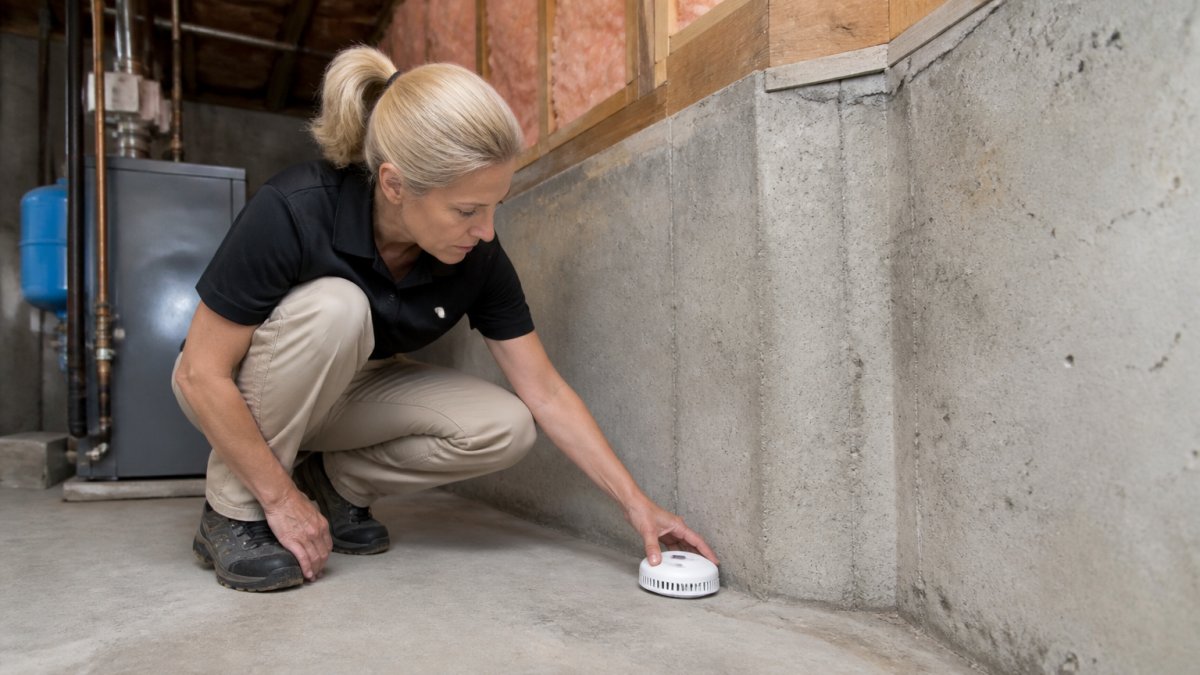
Step 1, Choose the device type. Passive devices (activated charcoal canisters and alpha-track detectors) need no power and are mailed to a lab. Active devices (continuous radon monitors, or CRMs) log hourly readings, can flag tampering, and produce results on site.
Step 2, Set closed-house conditions before the clock starts. The EPA’s testing protocol calls for closed-house conditions for at least 12 hours before the test begins and for the entire test period. That means exterior doors and windows closed except for normal entry and exit.
Step 3, Place the device correctly. Target the lowest lived-in level, a basement if used regularly, otherwise the first floor. Keep the device at least 20 inches above the floor, 12 inches from exterior walls, and 3 feet from doors, windows, and other openings to the outside.
Step 4, Run the test for the full duration. A short-term test runs a minimum of 48 hours; many inspectors run 48 to 96 hours to capture a more stable average.
Step 5, Document and return the device. Passive devices must be sealed, signed, and shipped to the lab within the window the manufacturer specifies, usually within a day or two of the test ending. Late returns can void the analysis.
Step 6, Read the report with the conditions in mind. If the report shows doors or windows open, a fan running, or a test shorter than 48 hours, treat the number as unreliable and retest.
Full Disclosure Property Inspection provides comprehensive inspections for buyers and sellers in the greater Chattanooga area, walking clients through each step so they understand what the number on the report represents.
If you are using a do-it-yourself kit, buy from a state-listed or nationally certified laboratory, follow the printed instructions exactly, and keep the shipping receipt. A test that cannot be documented is hard to rely on in a negotiation.
How Long Radon Test Duration Affects Results
Radon test duration directly impacts accuracy. Short-term tests run 48 hours to 90 days; long-term tests run more than 90 days, often three to 12 months.
Schedule an Inspection or Request a Proposal →
Short-term tests provide quick answers for real estate transactions, but radon levels fluctuate seasonally and even daily with weather, temperature, and how tightly your home is sealed, a 48-hour test captures only a snapshot.
Long-term tests average exposure over months, smoothing out daily and seasonal variations and better representing your year-round exposure. For decisions about buying a home or investing in mitigation, long-term testing provides stronger data.
The EPA recommends:
- Short-term tests: 2 to 90 days (fastest results for transactions)
- Long-term tests: More than 90 days (most accurate for health decisions)
- Follow-up testing: If initial results are borderline, extend testing to clarify
Most real estate transactions use short-term testing because of timing constraints. If your short-term result is close to the EPA action level, consider requesting a follow-up long-term test before making final decisions about mitigation or purchase.
What to Do After a High Radon Test Result
The EPA action level is 4.0 picocuries per liter (pCi/L), a threshold, not a verdict. What you should do depends on where your reading falls, how the test was run, and what changed in the home since. Here’s the full range.
Below 2.0 pCi/L. This is generally considered a low reading. The EPA does not recommend mitigation at this level, but it also does not call it zero risk, no indoor radon level is risk-free. Retest every two years, and retest sooner if you renovate, change your heating and cooling system, or notice the home is sealed more tightly than before.
Between 2.0 and 4.0 pCi/L. The EPA suggests considering mitigation here, especially at the upper end or if the home has a regularly used basement or crawl space. Run a follow-up test, a second short-term or a long-term test, to see whether the reading is stable or a one-time spike. If it stays in this band, talk with a mitigation contractor about whether a system is warranted.
At or above 4.0 pCi/L. Mitigation is recommended. Before committing, confirm the result with a second short-term test, especially if the first test was near the threshold or was run under unusual conditions. Two elevated readings taken under proper closed-house conditions are a strong basis for action.
Very high readings. A result well above 4.0 pCi/L, say, in the double digits, warrants prompt action rather than a wait-and-see approach. In that case, confirm the reading quickly and schedule a mitigation assessment without delay.
Once elevated radon is confirmed, contact a qualified radon mitigation contractor. Systems work by depressurizing the soil around your foundation; the most common approach, sub-slab depressurization, uses a pipe system and fan to draw radon from beneath your home and vent it above the roofline. A contractor assesses your conditions, designs a system for your foundation type and radon levels, and typically completes installation in one to three days.
Mitigation costs vary based on your home’s foundation, accessibility, and system complexity. The investment protects your family’s long-term health, and a documented system is also a selling point when you list the home.
If your radon test result is between 2.0 and 4.0 pCi/L, the EPA suggests considering mitigation. While 4.0 pCi/L is the official action level, lower levels still carry health risk, especially with long-term exposure. Discuss your options with a mitigation professional.
A result below the action level is not a guarantee of zero risk, and a single short-term test is not a permanent answer. Radon levels shift with seasons, weather, and changes to the home. Treat every result as a snapshot and retest on a schedule.
Testing and Real Estate Decisions
Radon testing shapes real estate decisions for buyers and sellers. If you’re buying, include radon testing in your home inspection contingencies, this lets you negotiate repairs or price adjustments if elevated radon is discovered.
For sellers, addressing radon before listing strengthens your position. Homes with documented mitigation systems attract more confident buyers, and proactive testing demonstrates transparency and responsibility. If radon is present, install mitigation before showing the home when possible.
Is radon testing necessary? Yes. Radon doesn’t discriminate by price point, age, or location, a $150,000 home and a $500,000 home face equal risk. Testing is inexpensive compared to the health stakes and the potential impact on your transaction.
When negotiating after a high radon result:
- Request the seller install mitigation before closing
- Negotiate a price reduction to cover your mitigation costs
- Ask for a warranty on any existing mitigation system
- Verify the seller’s mitigation system with post-installation documentation
Buyers in competitive markets sometimes feel pressured to waive inspections or radon testing to strengthen offers. Resist this pressure. A professional home inspection including radon testing typically costs $300 to $500, a small investment against thousands in potential health costs and mitigation expenses.
Skipping radon testing to make a stronger offer puts your family at risk. An offer contingent on radon testing is standard practice. Sellers expect it. If a seller refuses to allow radon testing, that’s a red flag worth investigating.
Radon testing homes is not optional, it’s essential due diligence for any homeowner or buyer. Radon exposure carries serious health consequences, but the solution is straightforward: test, interpret results accurately, and mitigate if needed. Full Disclosure Property Inspection has completed thousands of home inspections across the greater Chattanooga area. We understand the local soil conditions, seasonal variations, and specific risks that affect homes in this region. When you’re ready to test your home or need guidance interpreting results, contact the EPA’s radon information line for resources, or schedule a comprehensive inspection with our team. We’ll provide the detailed, computer-generated report and expert interpretation you need to protect your family and make informed decisions about your property. Request a proposal from Full Disclosure Property Inspection today to get started.
Frequently Asked Questions
When should you test for radon in your home?
Test before buying, after major renovations, or if you’ve never tested. The EPA recommends all homeowners test at least once. If you’re selling, testing early gives you time to address elevated levels. New construction homes and homes with HVAC changes should also be tested. Testing takes 48 hours to several months depending on the method you choose.
How long does a radon test take?
Short-term radon tests take 48 hours to 90 days, while long-term tests run from 3 to 12 months. Short-term tests give quick answers but may miss seasonal variations. Long-term tests provide a more accurate annual average. For real estate transactions, 48-hour tests are common, but longer testing captures radon’s natural fluctuations throughout the year.
What should you do if your radon test shows elevated levels?
The EPA action level is 4 picocuries per liter (pCi/L). If your results exceed this, schedule a follow-up test to confirm. Most homes with elevated radon can be fixed with sub-slab depressurization or improved ventilation. A qualified radon mitigation contractor can design a system for your home. Retesting after mitigation ensures the system is working and levels have dropped below the action level.
Do you need radon testing during a home inspection?
Radon testing is separate from a standard home inspection but equally important. Many buyers include radon testing as part of their inspection contingency. A professional radon test uses calibrated devices and follows EPA protocols to measure indoor radon concentration. This gives you an independent, objective measurement of radon levels before you commit to purchasing the home.


