Table of Contents
- Chattanooga Housing Market Trends 2026
- Affordability Analysis for Buyers in 2026
- Best Neighborhoods to Buy a House in Chattanooga
- Home Inspection Importance for Chattanooga Buyers
- Investment Potential and Long-Term Value
- Closing Costs and Hidden Expenses
- Should You Buy Now or Wait?
- Frequently Asked Questions
Last Updated: October 1, 2026
Chattanooga Housing Market Trends 2026
If you’re considering buying a house in Chattanooga in 2026, understanding current market conditions is essential to making an informed decision.
Median home values have stabilized after rapid growth, inventory levels remain moderate, and interest rates continue to influence monthly payments significantly.
Properties that were priced aggressively two years ago are now more reasonably valued, creating opportunities for informed buyers.
Median Home Values and Year-Over-Year Appreciation
Median home values reflect a stabilizing market after years of rapid appreciation, with properties now seeing more modest year-over-year gains, a typical pattern signaling healthier, more sustainable conditions.
Different neighborhoods show varying appreciation rates based on local infrastructure improvements and demographic shifts.
A property in one area may appreciate 4-5% annually while similar properties elsewhere appreciate 2-3%, underscoring why local market knowledge matters when evaluating whether buying a house in Chattanooga is worth it for your specific situation.
Inventory Levels and Housing Supply
Housing supply remains relatively balanced compared to 2021-2023 shortages, with inventory levels increased modestly, creating opportunities for informed purchasers.
Moderate inventory levels allow time for proper due diligence, though desirable properties in prime neighborhoods still attract multiple offers.
High-demand areas continue to experience inventory shortages, while emerging neighborhoods show healthier supply levels, your buying strategy should reflect the specific neighborhood you’re targeting.
Interest Rates and Monthly Payment Impact
A 0.5% increase in your mortgage rate can add hundreds of dollars to your monthly payment on a standard loan.
Current mortgage interest rates remain elevated compared to 2020-2021 but have stabilized after recent volatility, with fixed-rate mortgages remaining the standard choice.
Work with a lender to see your actual rate based on your credit profile, down payment, and loan type, the difference between a 6.5% and 7.0% rate compounds over 30 years into tens of thousands of dollars.
Affordability Analysis for Buyers in 2026
Affordability depends on your personal financial situation, down payment capacity, debt-to-income ratio, and long-term plans.
Housing costs as a percentage of median household income have stabilized, suggesting the market is becoming more accessible to middle-income buyers than in 2023-2024.
Cost of Living and Down Payment Requirements
Housing typically represents 25-35% of household budgets for homeowners with mortgages; when it exceeds 35% of gross income, financial stress often follows.
Conventional loans typically require 5-20% down, while government-backed programs may require less, directly affecting your monthly payment and mortgage insurance needs.
Down payment assistance programs exist in many areas; explore all options including family gifts, first-time buyer programs, and employer assistance.
Property Tax Advantages
Tennessee has no state income tax and among the lowest property taxes in the nation, leaving more household income available for other expenses or savings.
Local property tax rates vary by jurisdiction and school district; factor in anticipated annual increases when projecting long-term housing costs.
Property tax advantages make the greater Chattanooga area attractive compared to high-tax states.
Best Neighborhoods to Buy a House in Chattanooga
Different neighborhoods within the greater Chattanooga area offer distinct advantages based on lifestyle preferences, investment potential, and appreciation prospects.
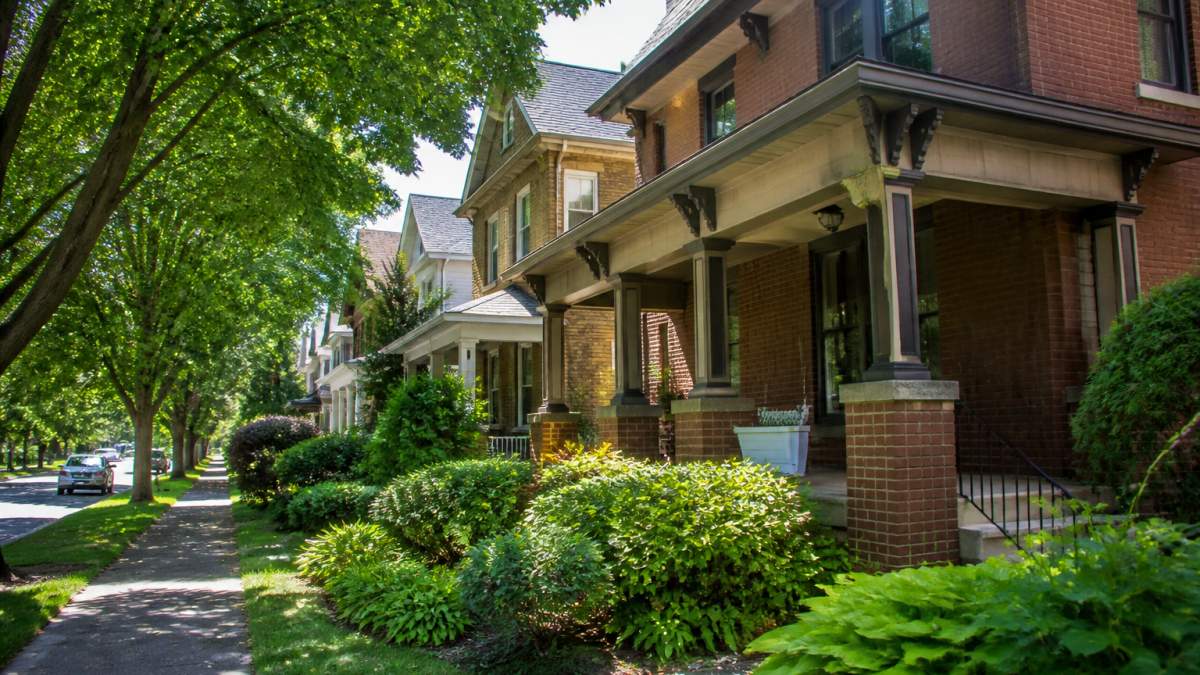
Established residential neighborhoods attract buyers seeking stable communities with proven appreciation histories. Emerging neighborhoods offer newer construction and modern amenities, often at lower entry prices.
Neighborhood Appreciation Rates and Local Infrastructure
Neighborhood appreciation rates depend heavily on local infrastructure improvements, demographic trends, and economic development. Areas receiving new commercial investment, improved transportation, or enhanced public amenities typically experience stronger appreciation.
Infrastructure projects scheduled for completion in 2026-2027 will influence future appreciation in specific neighborhoods.
Local infrastructure quality affects daily life and resale value. Neighborhoods with good schools, parks, and commercial amenities attract more buyers and command premium prices.
Home Inspection Importance for Chattanooga Buyers
A comprehensive home inspection is non-negotiable when buying a house in Chattanooga. Many buyers in competitive markets feel pressure to waive inspections to strengthen offers, but this decision often proves costly. An inspection protects your investment by identifying issues before you’re legally bound to purchase.
Full Disclosure Property Inspection, led by Certified Master Inspector Melanie Crabtree, provides comprehensive inspections that uncover critical structural and mechanical issues.
Why Inspections Matter in a Competitive Market
In competitive markets, buyers feel pressure to waive contingencies to make offers more attractive. However, waiving your inspection contingency means accepting unknown risks.
An inspection provides use in negotiations. When issues are discovered, you can request repairs, price reductions, or credits toward closing costs.
Newer construction homes still require thorough inspections. Building defects, incomplete work, and quality issues occur in new homes at similar rates to older properties.
What a Comprehensive Inspection Uncovers
A thorough home inspection examines structural integrity, mechanical systems, electrical components, plumbing, roofing, insulation, and more. Inspectors use specialized tools to identify issues invisible to the naked eye. Infrared thermal imaging reveals insulation gaps, moisture problems, and electrical hotspots that standard visual inspection misses.
Detailed inspection reports prioritize findings by severity. Critical issues requiring immediate attention are separated from minor maintenance items. This prioritization helps buyers understand what truly matters versus what represents routine maintenance.
A comprehensive inspection report becomes your roadmap for homeownership. You’ll know which systems need near-term replacement, which require monitoring, and which are in good condition. This knowledge prevents costly surprises and helps you budget for inevitable maintenance and repairs.
Investment Potential and Long-Term Value
Buying a house in Chattanooga can be a sound long-term investment when you select the right property in the right neighborhood. Real estate builds equity through mortgage principal paydown and property appreciation.
Home equity grows as you pay down your mortgage and property values appreciate. This equity can be tapped for home improvements, education, or other needs through home equity loans or lines of credit.
Remote Work Migration and Market Signals
Remote work adoption has fundamentally altered migration patterns and housing demand.
This migration pattern strengthens long-term market fundamentals. Population growth driven by remote workers represents sustainable demand for housing. Unlike boom-and-bust cycles driven by single industries, migration from multiple sources creates stable, diversified demand.
Market signals suggest continued migration to the greater Chattanooga area. The combination of reasonable housing costs, no state income tax, outdoor recreation, and cultural amenities attracts diverse populations.
Home Equity and Real Estate as an Investment
Home equity represents your ownership stake in the property. As you pay down your mortgage, equity increases. As property values appreciate, equity grows further.
Real estate appreciation varies by location and market conditions. Properties in strong neighborhoods with good schools and amenities typically appreciate faster than properties in declining areas.
Use amplifies real estate returns. You control a property worth $300,000 with a $60,000 down payment.
Closing Costs and Hidden Expenses
Closing costs represent 2-5% of the purchase price and cover loan origination, appraisals, title insurance, attorney fees, and inspections.
Beyond closing costs, homeownership involves ongoing expenses. Property taxes, homeowners insurance, maintenance, and repairs represent significant annual costs.
Understanding total ownership costs is essential when evaluating whether buying a house in Chattanooga makes financial sense. Calculate your monthly mortgage payment, property taxes, insurance, and estimated maintenance costs.
| Expense Category | Typical Range | Notes |
|---|---|---|
| Closing Costs | 2-5% of purchase price | Varies by loan type and location |
| Annual Property Taxes | 0.7-1.2% of home value | Depends on local jurisdiction |
| Homeowners Insurance | $800-$1,500 annually | Varies by property and coverage |
| Maintenance & Repairs | 1-2% of home value annually | Increases for older homes |
| HOA Fees | $0-$400+ monthly | Only if applicable |
Should You Buy Now or Wait?
Deciding whether to buy now or wait depends on your personal circumstances more than market timing.
If you’re financially prepared, have stable employment, and found a property that meets your needs, buying now makes sense.
Market conditions in 2026 favor informed buyers more than they have in recent years. Inventory is more abundant, prices have stabilized, and affordability has improved.
Buying a house in Chattanooga in 2026 represents a sound investment when you approach it strategically. Understanding market trends, neighborhood dynamics, and your personal financial situation provides the foundation for a confident decision. Before committing, ensure you’ve obtained a comprehensive home inspection that reveals the property’s true condition and any issues requiring attention. Full Disclosure Property Inspection provides detailed inspections with infrared thermal imaging, computer-generated reports, and expert analysis from a Certified Master Inspector. This independent assessment protects your investment by identifying structural and mechanical issues before closing. Schedule an inspection to ensure confidence in your purchase decision and potentially save thousands by addressing problems before they become expensive surprises.
Frequently Asked Questions
Is buying a house in Chattanooga worth it compared to renting?
Buying a house in Chattanooga offers long-term wealth building through home equity and fixed-rate mortgage payments that don’t increase over time, unlike rent. The median home value appreciation, combined with property tax advantages and the ability to customize your space, makes homeownership a strong investment for those planning to stay 5+ years. However, the decision depends on your financial stability, down payment savings, and local market conditions in 2026.
What should I look for in a home inspection before buying in Chattanooga?
A comprehensive home inspection should uncover structural issues, roof condition, HVAC systems, plumbing, electrical safety, foundation problems, and signs of water damage or pest infestation. Many buyers overlook the importance of inspections in competitive markets, but identifying hidden issues before closing can save thousands in repairs. Thermal imaging and detailed reports help you understand what actually needs attention versus minor maintenance items.
Are home prices in Chattanooga expected to drop in 2026?
Housing market forecasts depend on multiple factors: interest rate trends, inventory levels, and economic indicators. While no one can predict price movements with certainty, analyzing year-over-year appreciation, current median home values, and market signals helps you make an informed decision. Consulting local real estate data and working with professionals who understand neighborhood-specific trends provides better insight than speculation.
What salary do I need to afford a median-priced home in Chattanooga?
Affordability depends on your down payment, debt-to-income ratio, and current mortgage interest rates. Most lenders require a debt-to-income ratio below 43%, meaning your monthly housing payment shouldn’t exceed 28-31% of gross income. Consider closing costs, property taxes, insurance, and HOA fees when calculating total monthly obligations. Pre-approval from a lender gives you a clear picture of what you can afford based on 2026 rates and your financial situation.


