Last Updated: November 4, 2026
Quick Summary
The most common home inspection issues in Chattanooga homes involve water, including poor grading, clogged gutters and damp crawlspaces, along with aging roofs, foundation cracks, and outdated HVAC, water heater and electrical systems. Heavy spring rains, clay soils and steep lots add pressure to drainage, foundations and roofs.
- Standing water near the foundation after rain is a key drainage warning sign.
- Clogged gutters overflow during heavy rain and pour water down the siding.
- Hairline foundation cracks are common and often harmless, while wide cracks need a closer look.
- Address exposed wiring, active leaks and major structural movement right away.
- Ask the inspector to rank findings by urgency and explain what was not inspected.
Table of Contents
- Why Chattanooga Homes Show Specific Inspection Patterns
- Moisture, Drainage and Grading Problems Inspectors Find Most
- Roof Wear, Foundation Cracks and Structural Concerns
- HVAC, Water Heater and Electrical Defects
- Home Inspection Red Flags: A Prioritized Severity Guide
- What to Look for During a Home Inspection and Why Attending Matters
- Booking Your Chattanooga Inspection Before You Waive Contingencies
- Frequently Asked Questions
Why Chattanooga Homes Show Specific Inspection Patterns
Chattanooga’s humid subtropical climate and hilly terrain shape the problems inspectors find in local homes. Heavy spring rains, clay-rich soils and steep lots all put pressure on drainage, foundations and roofs. Knowing these patterns helps buyers, sellers and investors focus on the issues most likely to matter.
Full Disclosure Property Inspection, led by Certified Master Inspector Melanie Crabtree, provides inspection services across the greater Chattanooga area. The work covers older homes near downtown and newer builds in growing suburbs, and each type of house fails in its own way.
Older homes tend to show wear in systems that were built decades ago. Newer construction often shows finish and installation problems that were missed before move-in. Both need a careful look.
Moisture, Drainage and Grading Problems Inspectors Find Most
Water is the most common source of trouble in Chattanooga homes. When water sits against a foundation, it can cause cracks, soil movement and damp basements.
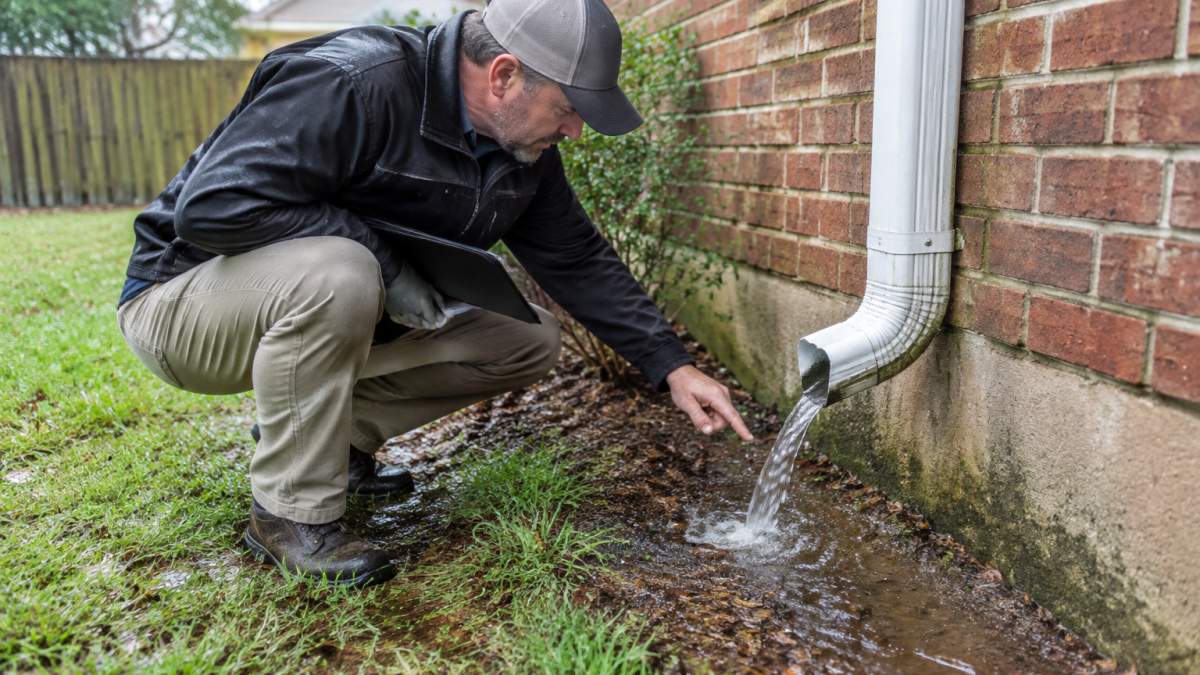
Grading is the first line of defense. The ground should slope away from the house so rain runs off instead of pooling.
Look for these signs of drainage trouble:
- Standing water near the foundation after rain
- Soil that slopes toward the house
- Staining or efflorescence on basement walls
- Soft or sunken spots in the yard
Gutters and Downspout Drainage
Gutters only help if they move water away from the home.
Clogged gutters overflow during heavy rain and pour water down the siding. Loose or sagging sections also let water run in the wrong direction. A short extension and a clean gutter can prevent costly repairs later.
Crawlspace Moisture and Ventilation
Crawlspaces are a frequent problem in the region’s humid climate. Without proper ventilation or a vapor barrier, moisture builds up under the floor. That moisture can lead to wood rot, mold and pest problems.
Inspectors check for standing water, damp insulation, and wood with dark staining. They also look at vents and whether the crawlspace is sealed. A damp crawlspace often signals a drainage issue outside the home.
Roof Wear, Foundation Cracks and Structural Concerns
The roof is the first barrier against water, so its condition matters. Inspectors look for missing or curled shingles, worn flashing and signs of past leaks. They also estimate remaining service life, which helps buyers plan for replacement.
Foundation cracks need a careful read. Thin hairline cracks are common and often harmless. Wide cracks, cracks that step through block or brick, and cracks that grow over time deserve a closer look from a specialist.
Structural concerns can also include sloped floors, sticking doors and gaps around windows. These signs can point to settlement or movement. A qualified structural engineer can evaluate anything that raises doubt.
HVAC, Water Heater and Electrical Defects
Heating and cooling systems take a beating in Chattanooga’s warm, humid summers and cool winters. Inspectors check whether the system heats and cools properly, and whether the condensate line drains outside the home. A clogged condensate drain can cause water damage near the air handler.
Water heaters are another frequent finding (DOE Finalizes Efficiency Standards for Water Heaters to Save Americans Over $7 Billion on…). Inspectors look for leaks, rust, corrosion at the connections and whether the unit has a safety pan and discharge pipe. Age matters here, since most tank water heaters have a limited working life.
Electrical problems can be serious safety hazards. Common issues include:
- Outdated or overloaded panels
- Exposed wiring or missing covers on outlets
- Improper grounding
- Scorched outlets or switches
Home Inspection Red Flags: A Prioritized Severity Guide
Not every finding carries the same weight, and treating a worn caulk line the same as exposed wiring is how buyers either overpay for repairs or wave through a real hazard. A practical way to sort inspection findings is by urgency and by who needs to evaluate them.
Address right away (safety or active damage):
- Exposed or damaged electrical wiring, scorched outlets, or an overloaded panel
- Active leaks, water intrusion, or visible mold growth
- Gas leaks, improper venting, or a failed water heater flue
- Major structural movement, including wide or growing foundation cracks
These items usually call for a licensed electrician, plumber, or structural engineer before closing. A general inspector flags them but does not repair or fully diagnose them.
Schedule an Inspection or Request a Proposal →
Address soon (could worsen quickly):
- Failing roof sections or flashing that is near the end of its service life
- Damp crawlspaces with wood rot or failed vapor barriers
- Non-working heating or cooling systems
- Water heaters past their typical service life
They are not emergencies today, but they tend to get more expensive the longer they sit.
Monitor or plan for later (cosmetic or minor):
- Hairline cracks that have not changed
- Worn caulking or weatherstripping
- Minor gutter sagging
- Small cosmetic defects
These belong on a maintenance list, not a repair request.
Buyers can ask the inspector to rank findings by urgency, then use that ranking to decide which items to request as repairs or credits. Buyers who understand this order can negotiate with confidence and budget for the right repairs instead of arguing over every line.
Watch out: a finding can be both urgent and expensive, and a seller credit does not fix a safety hazard. If the report shows exposed wiring or an active leak, get a specialist evaluation before you decide how to handle it in the negotiation.
The article sorts common findings by urgency, which makes a quick reference useful:
| Urgency | Example findings | Who to call |
|---|---|---|
| Address right away | Exposed wiring, scorched outlets, overloaded panel | Licensed electrician |
| Address right away | Active leaks, visible mold growth | Plumber or specialist |
| Address right away | Wide or growing foundation cracks | Structural engineer |
| Address soon | Failing roof sections or flashing | Roofer |
| Address soon | Damp crawlspace with wood rot | Specialist evaluation |
| Address soon | Non-working heating or cooling | HVAC technician |
| Monitor or plan | Hairline cracks that have not changed | Maintenance list |
| Monitor or plan | Worn caulking, minor gutter sagging | Maintenance list |
What to Look for During a Home Inspection and Why Attending Matters
A home inspection is a visual, non-invasive review of the home’s major systems. It is not a warranty, a code-compliance review, or a guarantee that nothing will fail after closing. Knowing the limits helps you decide when to bring in a specialist.
A standard inspection generally does not include:
- Opening walls, ceilings, or finished surfaces
- Moving furniture, stored items, or debris that blocks access
- Testing every outlet, appliance, or low-voltage system
- Sewer line scoping or septic system evaluation
- Pest, mold, radon, asbestos, or lead-based paint testing
- Chimney interiors, well systems, or pools unless specifically added
Access limitations matter. Inspectors cannot fully evaluate a crawlspace with standing water or limited clearance, an attic with restricted access, or a roof they cannot safely walk. The report should say what was not inspected and why, and that language is your cue to arrange a follow-up.
When to call a specialist:
- A sewer line scope if the home is older or has mature trees near the lateral
- A structural engineer for wide, stepped, or growing foundation cracks
- A licensed electrician for an outdated panel, double-tapped breakers, or exposed wiring
- An HVAC technician for a system that is old, undersized, or not cooling properly
- A roofer for flashing details, active leaks, or a roof near the end of its service life
- A mold or indoor-air assessment if there is visible growth or a musty odor
Attending the inspection can help a buyer see the problems firsthand, hear the inspector’s explanations, and ask questions on the spot.
Ask the inspector to point out the top three priorities and to explain what was not inspected. This keeps you focused on what really matters rather than every minor note, and it tells you where a specialist evaluation is worth the extra cost before closing.
Booking Your Chattanooga Inspection Before You Waive Contingencies
In a competitive market, buyers are sometimes urged to waive the inspection contingency. That choice can expose you to large repair bills after closing. Booking an inspection before you commit gives you the facts you need to decide.
Look for a qualified, independent inspector. Full Disclosure Property Inspection offers infrared thermal imaging included with fee-paid inspections, plus detailed, computer-generated reports that highlight critical areas. The team operates under a strict Code of Ethics.
Ask any inspector about insurance, how they handle missed items, and whether they serve investment properties as well as single homes. To schedule an inspection or request a proposal, contact Full Disclosure Property Inspection directly.
Frequently Asked Questions
What is the biggest red flag in a home inspection?
Active water intrusion and structural movement are usually the most serious red flags. Evidence of water entering a basement or crawlspace, sloping or cracked foundation walls, and sagging floors or roof framing can signal costly repairs. Ask a qualified specialist to evaluate any of these before closing, and request cost estimates so you can decide whether to negotiate, request repairs, or walk away.
Should I attend my home inspection?
Yes. Attending lets you see issues firsthand, ask the inspector to explain findings, and understand which items are safety concerns versus routine maintenance. A walkthrough at the end of the inspection often clarifies the written report. Bring a notebook or phone to record questions about roofing, drainage, and mechanical systems.
Which home inspection findings should buyers address first?
Start with safety hazards such as exposed electrical wiring, gas leaks, and trip hazards, followed by active water intrusion and structural concerns. Next, address systems near end of life, like the HVAC system, water heater, and roof. Cosmetic items can usually wait. Ranking findings this way helps you focus negotiations and budget on defects that affect safety and long-term value.
Can a seller refuse to fix issues found during a home inspection?
Yes. Sellers are generally not required to make repairs, but they can respond with a repair credit, a price reduction, or a refusal. Your purchase contract usually sets a deadline for negotiating after the report. If a seller declines, you can accept the home as-is, request a credit, or cancel under the inspection contingency. Consult your real estate agent or attorney about your specific contract terms.


