Table of Contents
- Verify Professional Credentials and Certifications
- Check for Errors and Omissions Insurance and Liability Coverage
- Review Online Ratings and Sample Inspection Reports
- Questions to Ask a Home Inspector Before Hiring
- Understanding Home Inspection Cost and What It Includes
- How Long Does a Home Inspection Take and What to Expect
- Red Flags and What to Avoid When Selecting Inspectors
- Post-Inspection Follow-Up and Next Steps
- Frequently Asked Questions
Last Updated: September 21, 2026
Verify Professional Credentials and Certifications
Finding reputable home inspectors starts with verifying professional credentials. Certified inspectors have completed training, passed exams, and committed to ongoing education, ensuring they understand building codes, safety standards, and inspection best practices.
Look for certifications from ASHI (American Society of Home Inspectors) or NACHI (National Association of Certified Home Inspectors), both require strict standards and enforce a code of ethics.
Ask for specific certifications and verify them directly with the issuing organization using their searchable databases.
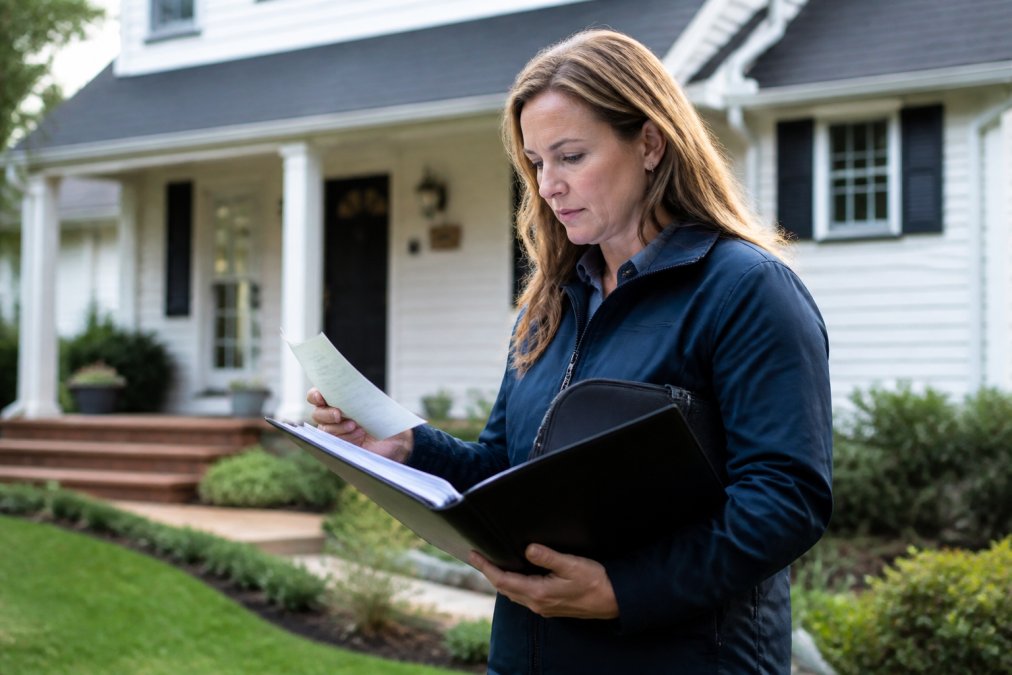
Experience matters alongside credentials. An inspector with 10+ years of experience and a construction or contracting background brings deeper knowledge. At Full Disclosure Property Inspection, our team is led by a Certified Master Inspector with extensive general contracting experience.
Verify the inspector maintains continuing education, building codes and techniques evolve, and staying current is essential.
Ask for proof of current certification before booking. Request the inspector’s credential number and verify it independently. This takes five minutes and confirms they’re actually certified.
Check for Errors and Omissions Insurance and Liability Coverage
Errors and omissions insurance protects you if an inspector misses something significant. If a major problem goes undetected and causes financial loss after closing, insurance ensures you have recourse.
Ask every inspector whether they carry errors and omissions (E&O) insurance. Request proof of current coverage before hiring them. A reputable inspector won’t hesitate to provide this documentation.
General liability insurance covers bodily injury or property damage during the inspection, protecting both you and the inspector.
Don’t hire an inspector without both types of insurance, uninsured inspectors shift all risk to you with no recourse for recovery.
An inspector without E&O insurance is a major red flag. If they miss a $50,000 foundation problem, you’ll have no way to recover your losses. This is not an optional expense for professional inspectors, it’s a baseline requirement.
Review Online Ratings and Sample Inspection Reports
Check Google reviews, Yelp, and industry platforms for patterns in feedback. Consistent praise for thoroughness and clarity is a good sign.
Multiple reviews mentioning the same problem, like poor communication or missed issues, suggest a real pattern worth investigating.
Request sample inspection reports before hiring. Quality reports are detailed, well-organized, and use clear language you can understand without construction knowledge.
A good report includes:
- Photos of key findings
- Clear descriptions of what was inspected
- Explanations of any issues found
- Recommendations for next steps
- Organization by room or system
Poor reports are vague, lack photos, or use overly technical language without explanation. The report should help you make informed decisions about the property.
Verify the inspector offers follow-up support to answer questions about findings, this adds significant value.
Questions to Ask a Home Inspector Before Hiring
Ask about experience with properties similar to yours. An inspector experienced with your home’s age and construction type will spot issues more effectively.
Ask how long the inspection will take. Most run 2-4 hours; significantly less time suggests rushing.
Ask if the inspector uses advanced tools like thermal imaging cameras, which detect hidden moisture and insulation gaps. Full Disclosure Property Inspection includes thermal imaging with every fee-paid inspection.
Confirm the inspection scope covers structural integrity, roofing, foundation, mechanical systems, plumbing, and electrical, matching your needs.
Ask how the inspector handles significant findings. Good inspectors explain severity clearly and help you understand repair costs.
Ask if the inspector recommends contractors and whether they receive referral fees, conflicts of interest can bias recommendations.
Ask directly: “Are you a member of any professional organizations? Do you carry errors and omissions insurance? Can you provide references from recent clients?” These three questions separate serious professionals from casual operators.
Understanding Home Inspection Cost and What It Includes
Pricing varies by property size, age, and location. Contact local inspectors directly for quotes based on your specific property.
Most inspections cover roof, foundation, framing, plumbing, electrical, HVAC, and appliances, checking for code violations, safety hazards, and maintenance issues.
Specialized inspections (mold, radon, septic, pool) often cost extra. Determine upfront what’s included.
Schedule an Inspection or Request a Proposal →
Reports are typically delivered within 24-48 hours in digital format with photos.
Clarify whether follow-up consultation is included or costs extra before hiring.
Full Disclosure Property Inspection provides detailed, computer-generated reports highlighting critical areas. Choose based on value, not just lowest price.
How Long Does a Home Inspection Take and What to Expect
Typical inspections take 2-4 hours depending on property size and age. Thoroughness requires adequate time.
The inspector checks all accessible systems, including attic and crawl space. You’re welcome to follow along and ask questions.
The inspector photographs findings for your report, helping you understand the property’s condition.
Inspectors examine structural and foundation issues, roof condition, plumbing and electrical systems, HVAC functionality, water damage, and safety hazards.
The inspector compiles findings into a written report within 24 hours, organized by area or system for easy reference.
Red Flags and What to Avoid When Selecting Inspectors
Avoid inspectors who won’t provide references or proof of insurance, these are non-negotiable professional standards.
Be wary of inspectors with financial ties to agents, lenders, or contractors. Ask directly: “Do you receive referral fees from any contractors?” Hesitation is a warning sign.
Don’t hire an inspector who offers to fix problems they find, this creates a financial incentive to find or exaggerate issues. Inspections and repairs must be separate services.
Watch for inspectors who guarantee outcomes before seeing the property. Statements like “I’ll find everything wrong with this house” or “I guarantee I won’t miss any major issues” are overselling. Inspections reveal what’s present; they don’t guarantee specific findings. An inspector who makes promises before even stepping foot in the home is either inexperienced or dishonest.
Rushing through the inspection is a major red flag. A thorough inspection of a typical 2,000-square-foot home takes 2.5 to 4 hours minimum. If an inspector completes the job in 60-90 minutes, they’re cutting corners. Ask the inspector upfront how long they typically spend on properties similar in size and age to yours. If their estimate is significantly lower than the industry standard, ask why.
Vague or evasive language in the report suggests poor work. Phrases like “some wear noted” or “further evaluation recommended” without specifics are red flags. A quality report explains what was found, where it was found, and what it means. If the inspector uses technical jargon without explanation, ask them to clarify before you hire them.
Inspectors operating without a verifiable business address or online presence are higher risk. Legitimate inspectors maintain a physical office, a professional website, and a track record of reviews. Someone working out of their car with no online footprint has little accountability if something goes wrong.
Another red flag: an inspector who discourages you from being present during the inspection. You have the right to follow along and observe. An inspector who prefers to work alone may be rushing, cutting corners, or hiding their process. Transparency is a sign of confidence and professionalism.
Finally, be cautious of inspectors who pressure you to hire contractors for repairs immediately after the inspection. While referrals can be helpful, pushing you toward specific contractors, especially ones they have relationships with, raises conflict-of-interest concerns. You should choose your own contractors based on independent research and multiple quotes.
If an inspector says “I found nothing wrong” after a 90-minute inspection of a 40-year-old home, that’s a red flag. Older homes always have some issues. A thorough inspector documents them. Similarly, if an inspector finds only minor issues in a home built before 1980, they may not be thorough enough.
Post-Inspection Follow-Up and Next Steps
After receiving your inspection report, your first step is to review it thoroughly and categorize findings by urgency and cost. Inspectors typically organize reports by system or room, but you need to reorganize the information for decision-making. Create three categories: (1) critical safety or structural issues that must be addressed before closing, (2) significant repairs that affect the home’s value or livability, and (3) minor maintenance items or cosmetic concerns.
Critical issues include structural damage, foundation problems, electrical hazards, plumbing failures, roof leaks, or HVAC systems that don’t function. These directly affect safety or habitability and typically warrant renegotiation with the seller or repair requests before closing.
Significant repairs might include an aging roof nearing the end of its lifespan, outdated electrical panels, water heater approaching failure, or moderate foundation settling. These don’t pose immediate danger but will require investment soon.
The inspection report is a negotiation tool, not just a reference document. Use it strategically before closing to address major issues, then preserve it for future reference and maintenance planning.
Frequently Asked Questions
What certifications should a reputable home inspector hold?
Look for inspectors certified by recognized professional organizations and holding credentials like Certified Master Inspector (CMI) or membership in the American Society of Home Inspectors (ASHI). Verify they follow the Standards of Practice established by their professional body. Inspectors should also maintain current training and adhere to a strict Code of Ethics. Ask to see proof of certification and verify their standing with state licensing boards or professional associations.
How can I verify a home inspector’s experience and background?
Request information about the inspector’s years in the industry and number of inspections completed. Ask about their background in construction, contracting, or related fields, as this demonstrates technical expertise. Request references from past clients and ask to review sample inspection reports. Check online reviews and verify their professional history through state databases or industry association websites. An experienced inspector will readily provide this documentation.
Should I hire a home inspector recommended by my real estate agent?
While real estate agents can provide referrals, prioritize finding an independent inspector with no conflicts of interest. An unbiased inspector should not have financial relationships with contractors, real estate agents, or other parties involved in the transaction. Verify the inspector’s independence and ask directly about any relationships. Your due diligence is critical, use agent referrals as a starting point, but conduct your own vetting to ensure the inspector prioritizes your interests over the transaction’s speed.
What should I do if a home inspector misses a major issue during the inspection?
Verify the inspector carries errors and omissions insurance and liability coverage before hiring. This protects you if problems are overlooked. After closing, if you discover a missed issue, contact the inspector immediately with documentation. Review your inspection report and contractual agreement for any limitations on liability. Professional inspectors maintain insurance specifically for these situations. Always ask about coverage limits and what’s included in their liability protection before signing any agreement.


