Table of Contents
- How Long Does a Home Inspection Take on Average
- How Long Does a Home Inspection Take for a 2,000-Square-Foot House
- What Happens During a Home Inspection
- Factors That Affect Inspection Time
- Should Buyers Attend a Home Inspection
- How Long Does It Take to Get a Home Inspection Report
- Preparing for Your Home Inspection
- Frequently Asked Questions
Last Updated: October 14, 2026
How Long Does a Home Inspection Take on Average
Understanding how long does a home inspection take on average is one of the first questions homebuyers ask. At Full Disclosure Property Inspection, we’ve guided thousands of buyers through this process. The answer depends on size, age, condition, and complexity, but most inspections range from two to four hours.
Typical Duration by Property Type and Size
A small condo or townhome typically takes two to three hours, a single-family home on a standard lot three to four hours, and larger homes with complex systems or multiple stories four to six hours or more.
Size matters most: a 1,500-square-foot home inspects faster than a 4,000-square-foot residence. But a well-maintained newer home may inspect quickly despite its square footage, while an older property with visible issues takes longer.
Duration Estimate Table
| Property Type | Square Footage | Typical On-Site Time |
|---|---|---|
| Condo or townhome | 1,000-1,500 sq ft | 2-3 hours |
| Single-family home | 1,500-2,500 sq ft | 3-4 hours |
| Larger single-family home | 2,500-3,500 sq ft | 4-5 hours |
| Estate or complex property | 3,500+ sq ft | 5-6+ hours |
The on-site inspection time is separate from report delivery. Many buyers assume the inspection ends when the inspector leaves. In reality, the detailed written report typically arrives within 24-48 hours after the on-site visit concludes.
How Long Does a Home Inspection Take for a 2,000-Square-Foot House
A 2,000-square-foot single-family home typically requires three to four hours for a thorough on-site inspection, the most common size and a solid baseline for duration.
A 2,000-square-foot home gives the inspector enough complexity to identify real issues without the extended timeline of larger properties, so most buyers can attend.
What Happens During a Home Inspection
A home inspection is a systematic walkthrough of a property’s major systems and structural components, examining visible defects, safety concerns, and overall condition from roof to foundation.
Structural and Foundation Assessment
The inspector starts outside and works systematically through the property. The roof check covers shingles, flashing, gutters, and visible structural supports. Foundation assessment looks for cracks, settlement, water intrusion, and drainage problems, plus exterior walls, siding, windows, and doors.
This phase typically takes 45 minutes to an hour, with problem areas photographed; older homes or those with visible foundation issues can extend it significantly.
Major Systems Evaluation
The electrical system gets a thorough review: main panel, breaker capacity, grounding, and visible wiring. HVAC is tested for operation, age, and condition. Plumbing is evaluated by running water, checking for leaks, and assessing pressure and drainage.
Water heating is inspected for age, condition, and installation; gas lines are checked for safety and connections. This phase consumes roughly one hour.
Interior and Exterior Components
The inspector walks every room, checking walls, ceilings, and floors for damage. Windows and doors are operated, light fixtures and outlets tested, and appliances, cabinets, countertops, and built-ins assessed.
Attic access is examined for insulation, ventilation, and framing; crawl spaces or basements for moisture, structural integrity, and pest activity. This interior review typically takes one to two hours.
Unusually short inspections, under two hours for a typical home, may indicate the inspector is rushing or skipping important areas. Inspections that stretch beyond six hours often signal significant issues requiring further investigation or specialized assessments.
Factors That Affect Inspection Time
Several variables influence how long your inspection will take, so understanding them helps you plan.
Property Age and Condition
Older homes consistently take longer. A 1950 property requires more detailed assessment than a 2010 home, older electrical, plumbing, roofing, and HVAC equipment need closer scrutiny, and visible deterioration, water damage, or structural concerns extend the timeline.
A well-maintained 40-year-old home might inspect faster than a neglected 10-year-old property, condition matters as much as age.
Accessibility and Site Conditions
Weather impacts duration: heavy rain slows roof and exterior assessment, snow or ice adds time and safety considerations, and muddy yards or flooded crawl spaces complicate access.
Accessibility also affects timing, easy attic access inspects faster than ladder setup, and detached structures, garages, sheds, and pools add time.
Inspection Complexity and Add-On Services
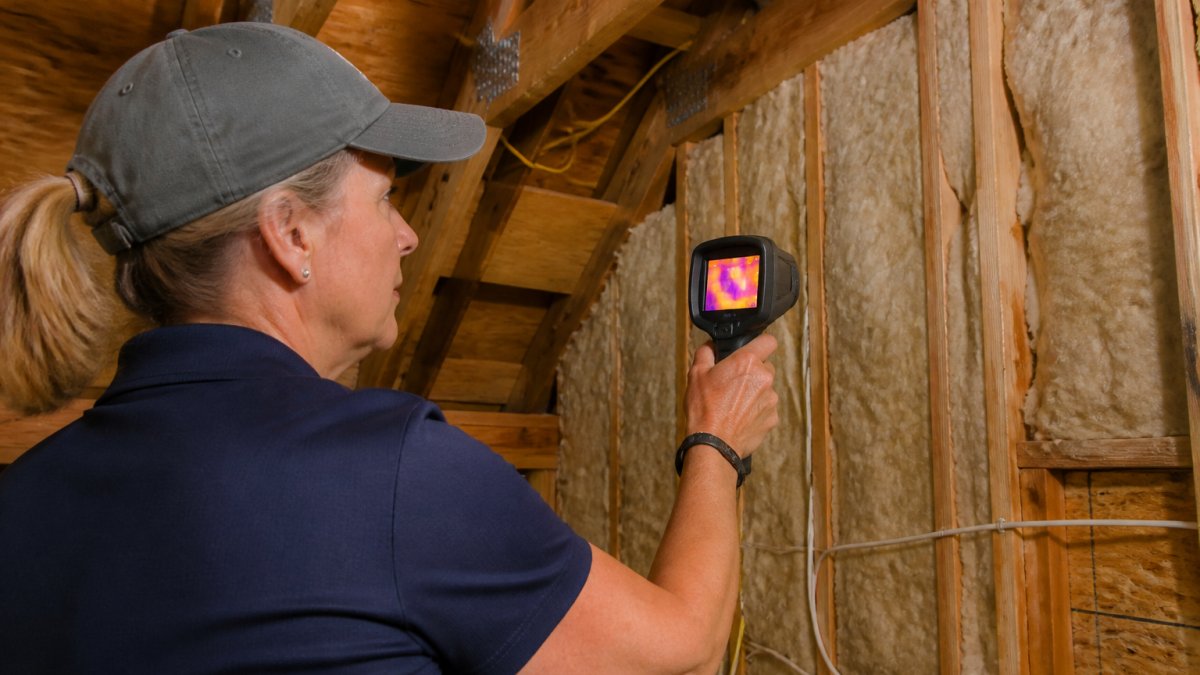
Standard inspections cover major systems and visible components; special inspections add significant time. Thermal imaging, which Full Disclosure Property Inspection includes with every inspection, assesses insulation, moisture, and electrical hot spots invisible to the naked eye.
Pest, septic, radon, mold, and structural engineering reviews all extend the timeline. A standard four-hour inspection plus three specialty services could reach six or seven hours across multiple visits.
The complexity of a property’s systems and the presence of add-on services are the two biggest variables affecting inspection duration. A straightforward home with standard systems inspects quickly; a property with older systems, visible issues, and specialized testing needs significantly more time.
Should Buyers Attend a Home Inspection
Attending your home inspection is strongly recommended. This is your opportunity to learn about the property directly from a certified professional and ask questions in real time.
Benefits of On-Site Attendance
Being present gives you firsthand knowledge of the property’s condition. You see the issues rather than learning secondhand, ask specific questions about repairs, maintenance, and safety, and understand findings immediately, which helps inform your negotiation strategy.
Schedule an Inspection or Request a Proposal →
Attendance also demonstrates your seriousness as a buyer and lets you photograph areas of concern for future reference or contractor consultations.
What to Expect During Your Attendance
Plan to be present for the entire inspection. Wear comfortable clothing and shoes suitable for attics, crawl spaces, and outdoor areas, and bring a notepad or phone for questions.
The inspector will explain findings as they work, so ask for clarification on technical terms or recommendations. Most welcome questions, use the inspection to learn about your potential home.
How Long Does It Take to Get a Home Inspection Report
The word “take” causes real confusion here, because the inspection has two distinct clocks: time at the property and time to produce the written report. Buyers who only budget for the on-site visit often get surprised when the report lands a day or two later, right as an inspection contingency deadline approaches.
Two Clocks: On-Site Time vs. Report Turnaround
On-site time is the two-to-six hours the inspector spends walking the property. Report turnaround is the separate window after the inspector leaves, during which findings are organized, photos are captioned, and the document is formatted and delivered.
A useful way to think about the total: if your on-site inspection runs three hours and the report arrives in 36 hours, your real “inspection” timeline is closer to 39 hours, not three.
What Drives Report Turnaround
Several factors push turnaround shorter or longer:
- Inspection volume that day. An inspector running three or four inspections in a single day typically writes reports in the evening, which can push delivery to the next morning.
- Property complexity. A home with many findings, multiple add-on services, or extensive photo documentation takes longer to write up than a clean, straightforward property.
- Report format. Software-generated reports with photo embedding and standardized comment libraries are usually faster to produce than fully custom narratives.
How to Plan Around the Report Deadline
Your purchase agreement typically sets an inspection contingency period, often 7 to 10 days, sometimes shorter in competitive markets. Work backward from that deadline:
- Confirm the expected report turnaround in writing when you schedule the inspection.
- Ask whether add-on services (radon, sewer, mold) deliver on a separate timeline.
- Leave at least 48 hours between expected report delivery and your contingency deadline so you have time to review, ask follow-up questions, and decide on repair requests.
- If the deadline is tight, ask whether a same-day or next-day report is available.
When you schedule, ask two separate questions: “How long will you be at the property?” and “When will I have the written report?” Treating these as one number is the most common source of scheduling surprises.
What the Report Actually Contains
A standard report documents every major system and component evaluated, organized by category, roof, exterior, foundation, electrical, plumbing, HVAC, interior, and site.
A quality report is written so a layperson can act on it, clear language, labeled photos, and prioritized findings, rather than a wall of technical jargon.
Preparing for Your Home Inspection
Most guides tell you to “clear access and secure pets.” That is the floor, not the ceiling. The practical preparation that actually prevents delays is a short, specific checklist covering utilities, access points, occupancy conditions, and scheduling logistics.
Pre-Inspection Access Checklist
Walk the property the day before and confirm each of these:
- Attic access. Clear stored items away from the hatch or door. If the access is in a closet, empty the closet floor so the inspector can set up a ladder safely.
- Crawl space. Remove obstructions from the entry, and note whether the access requires a tool (some panels are screwed shut).
- Electrical panel. Clear a working area of at least three feet in front of the panel. Panels behind shelving or stored boxes are a common cause of delay.
Utilities Must Be On and Functional
The inspector needs live systems to test them. Before the visit:
- Confirm electricity is on at the main panel and that no breakers are tripped.
- Confirm water is on at the main shutoff, and that the water heater is powered and heating.
- Confirm gas service is active if the home has gas appliances.
If the property is vacant or a foreclosure, utilities may be shut off. Coordinate with the listing agent to have them turned on before the inspection. An inspection without utilities cannot fully evaluate the systems, and a re-inspection may be required, adding both time and cost.
Occupied Homes and Access Conditions
Occupied homes change the inspection process in ways worth planning for:
- Furniture and belongings can block outlets, windows, and foundation walls. Ask the seller to clear what they reasonably can, and accept that some areas may be partially obscured.
- Pets should be secured in a crate, a closed room, or off-site. Even friendly animals can interfere with an inspector moving through the property.
- Children and occupants moving through the home during the inspection can slow the walkthrough and create safety issues around ladders and open panels.
Scheduling and Logistics
- Time of day. Morning appointments generally give the best daylight for roof and exterior assessment. Late-afternoon inspections in winter can run out of light before the exterior is finished.
- Weather. Heavy rain, snow, or ice can slow roof and exterior work and, in some cases, make roof access unsafe. Ask your inspector how they handle weather delays.
- Duration buffer. Block out the estimated on-site time plus about 30 minutes for questions and wrap-up.
The single biggest cause of a delayed or incomplete inspection is access, blocked panels, locked spaces, or utilities that are off. A 15-minute walkthrough the day before prevents most of these problems and keeps your contingency timeline on track.
What to Bring
Wear comfortable clothes and closed-toe shoes suitable for attics, crawl spaces, and outdoor areas. Bring a notepad or use your phone to record questions. If you plan to consult contractors later, photos of areas of concern are useful. Most inspectors welcome engaged buyers and are happy to explain findings as they work.
Frequently Asked Questions
What factors affect how long a home inspection takes?
Property size, age, condition, and type significantly impact inspection duration. Older homes with visible defects typically take longer than newer construction. Accessibility to the attic, basement, and crawl space also matters, if these areas are difficult to reach, the on-site inspection extends. Additional services like thermal imaging or specialized inspections add time. A single-family home in good condition usually takes 2-3 hours, while a larger or older property with multiple issues may require 4+ hours.
Should buyers attend the entire home inspection?
Yes, attending your home inspection is highly recommended. Your presence allows you to ask the inspector questions in real time, understand what they’re examining, and learn about your property’s systems and potential concerns. This direct education helps you understand the inspection findings report later. You’ll see structural components, major systems, and any visible defects firsthand, which prevents misunderstandings and empowers you to make informed decisions about repairs or renegotiations.
How long does it take to get a home inspection report after the on-site inspection?
Most inspectors deliver detailed, computer-generated inspection reports within 24-48 hours of completing the on-site assessment. The report includes findings on structural integrity, roof condition, electrical and plumbing systems, HVAC, and any safety concerns or visible defects discovered. Turnaround time depends on the inspection’s complexity and the volume of findings. Request your report delivery timeline when scheduling to ensure it aligns with your real estate transaction deadlines.
Do I really need a home inspection if I’m buying new construction?
Yes. Even newly constructed homes benefit from an independent quality assessment. New construction can have construction defects, incomplete work, or code compliance issues that a builder’s punch list may miss. A comprehensive inspection by an independent inspector provides an unbiased evaluation of structural components, electrical systems, plumbing, HVAC, and workmanship quality. This protects your investment and identifies any issues before your warranty period expires, potentially saving thousands in future repairs.


